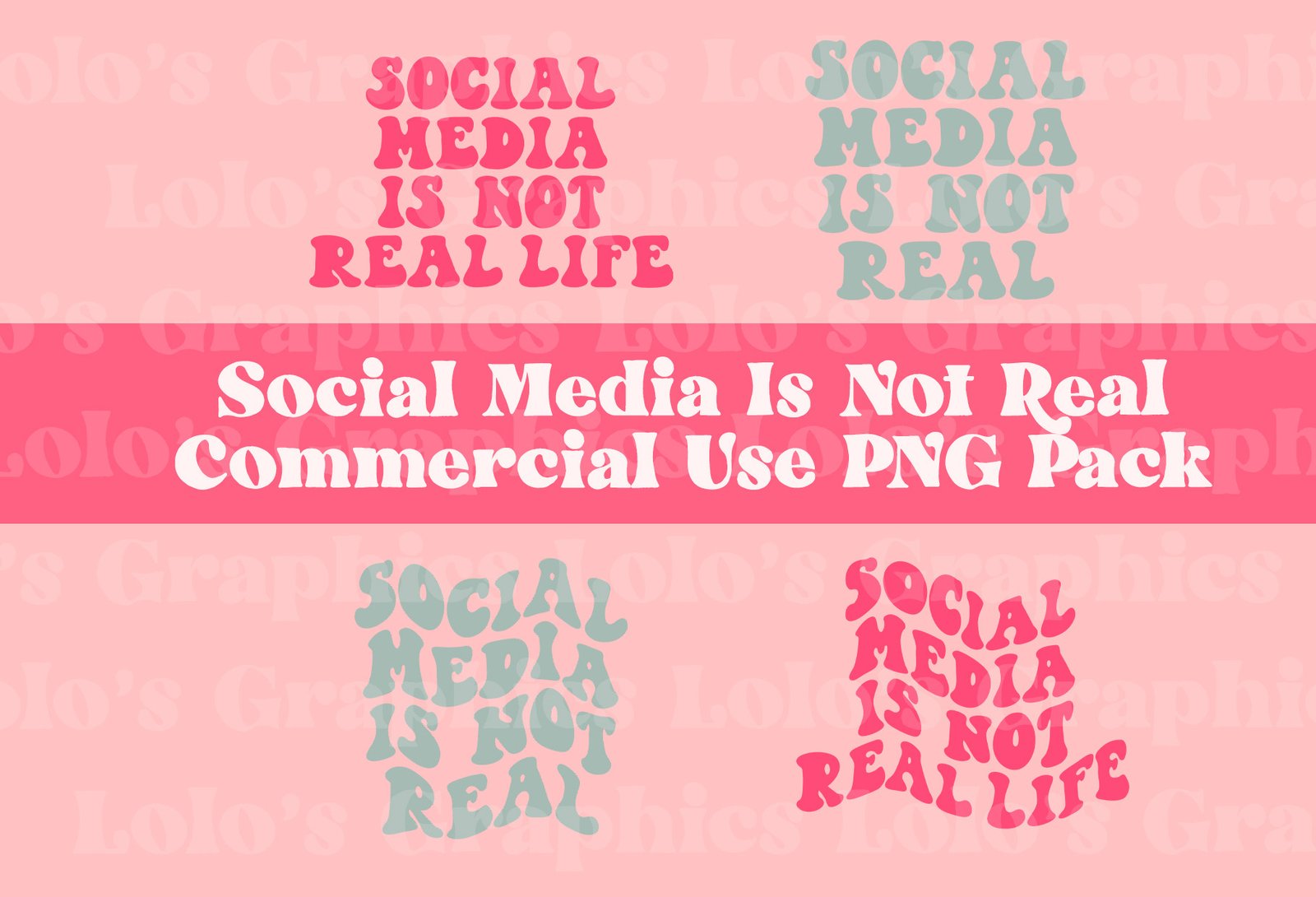
Tag: Passive Income

  • Print On Demand Mug Designs That Actually Sell

    Print On Demand Mug Designs That Actually Sell

    Ever scrolled through Etsy or Amazon, seen a simple mug with a witty phrase, and thought, “I could have made that”? You’re right. You could. But the real question isn’t whether you can make a design; it’s whether anyone will actually pull out their credit card to buy it.

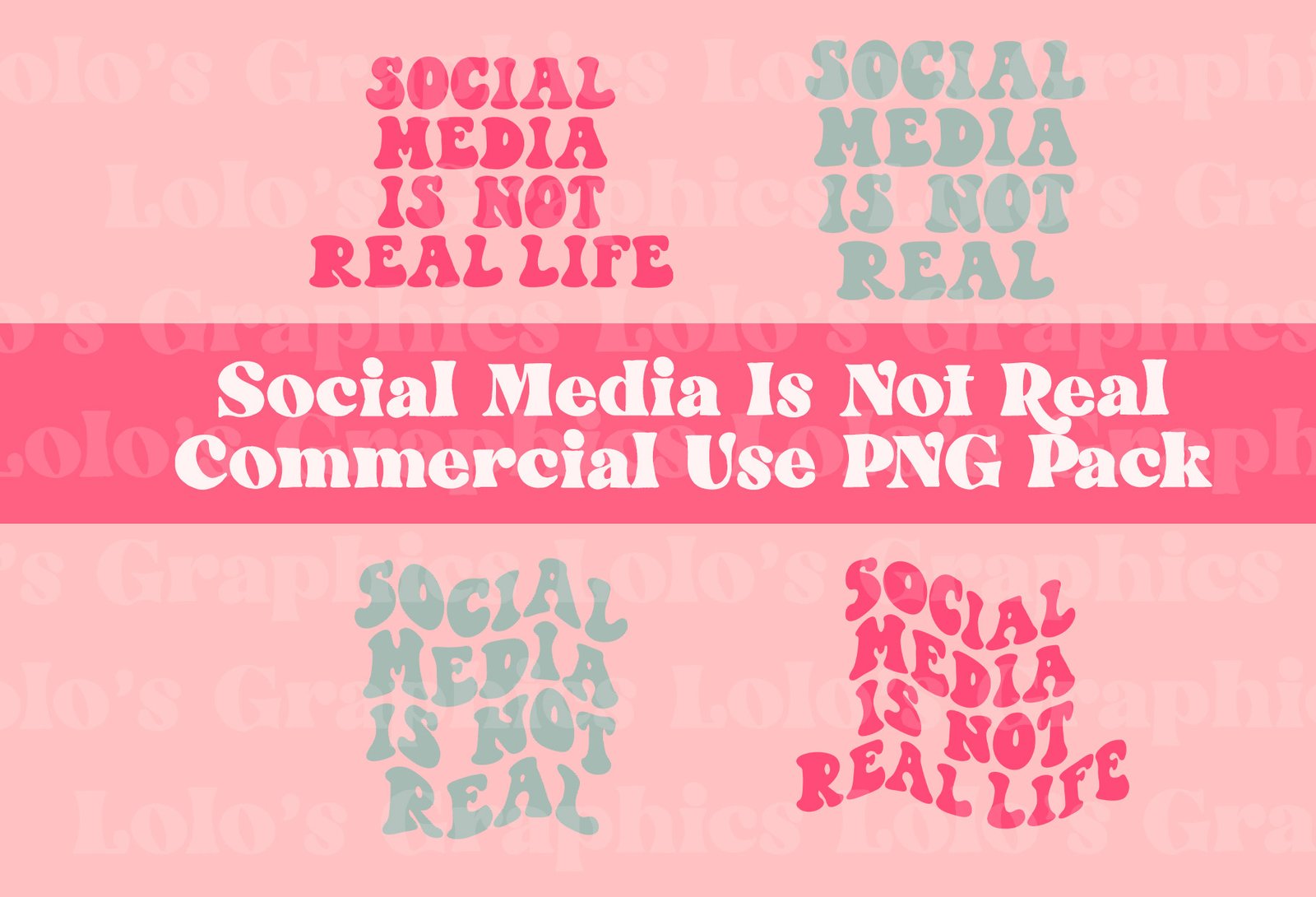
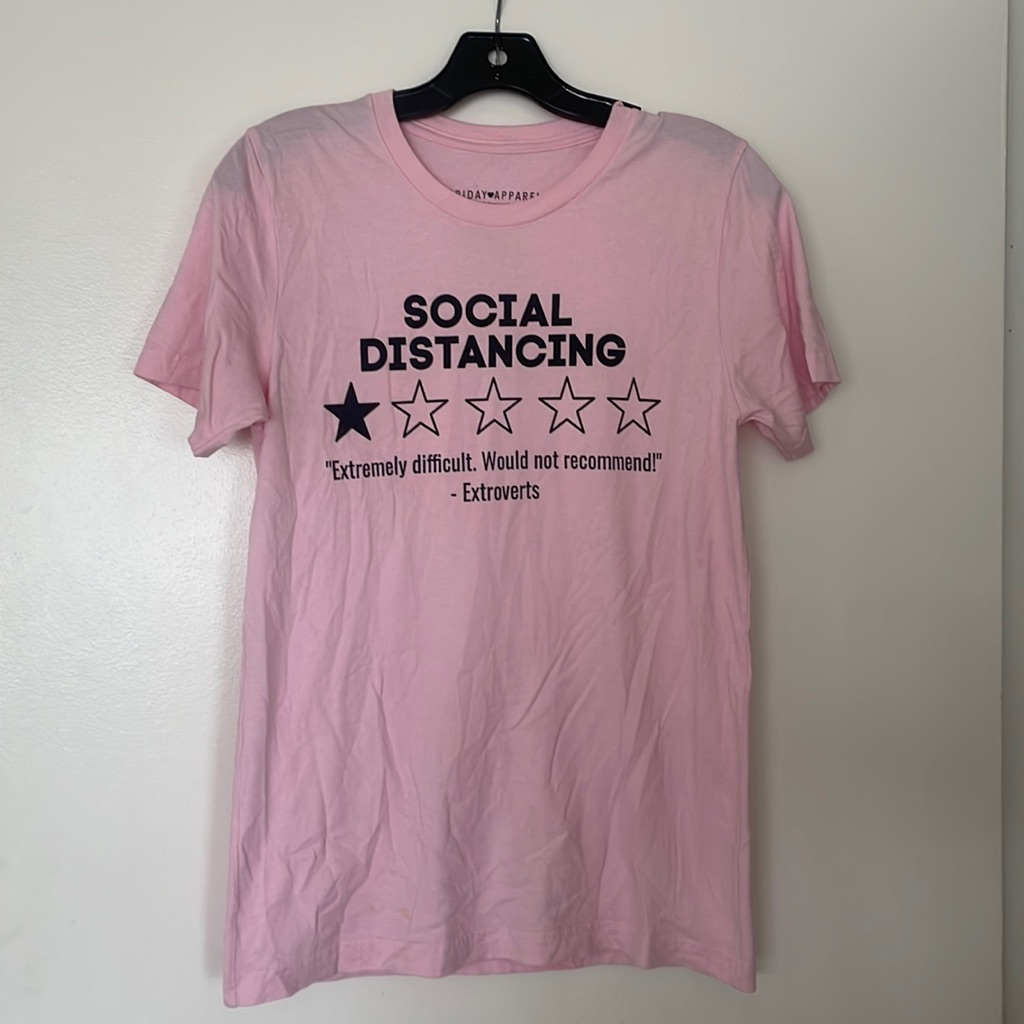
    Print On Demand T-Shirt Designs Png by Cotswold Co Designs | Creative Market

    The Print on Demand (POD) mug market is incredibly crowded. If you just upload random clip art or generic “Coffee Lover” quotes, you’ll likely see zero sales. To make this work, you need to move away from broad ideas and start looking for specific, passionate micro-niches. I’ve spent plenty of time analyzing what moves the needle, and I want to share what actually works when you’re trying to build a real income stream.

    The reality of the mug business: numbers and expectations

    Before we talk about design, let’s get real about the math. Many people ask, how much can you earn from selling mugs? The truth is, you aren’t going to get rich overnight. Most successful part-time sellers see anywhere from $50 to $500 in monthly profit. If you treat it like a massive brand and scale your catalog to thousands of designs, you might see much higher numbers.

    When comparing this vs traditional job stability, keep in mind that POD is a volume game. Your profit per mug is usually between $3 and $able $6 after paying the supplier (like Printful or Printify) and platform fees. To make $1,000 a month, you need to sell roughly 200 to 300 mugs.

    • Startup Costs: Very low. You can start with $0 if you use Canva (free version) and organic traffic, though $50-$100 for a Canva Pro subscription or some premium fonts is a smart initial investment.
    • Time Investment: Expect to spend 5-10 hours a week on research and design if you’re starting from scratch.
    • Potential ROI: High, because you aren’t buying inventory upfront. Your only real risk is your time.

    Finding niches that people actually care about

    Generic designs are dead. To sell, you need to target people who have an identity they are proud to display. Think about hobbies, professions, or very specific life stages. When a person sees a mug that perfectly describes their specific job or a weirdly specific hobby, that’s when the impulse buy happens.

    The power of hyper-specific professions

    Instead of “Nurse Life,” try something much more granular. Think about “Night Shift Oncology Nurse” or “Radiology Tech.” These people have a unique sense of camaraderie and shared struggle. When a design speaks to the specific exhaustion or pride of a specific role, it becomes a giftable item.

    Hobbyist sub-cultures

    Generic “Gardening” is too broad. Look for “Succulent Obsessed” or “Urban Indoor Jungle Enthusiast.” The more specific the terminology, the better. Use tools like Google Trends or the Etsy search bar to see what specific terms people are typing in. If you see a spike in “Pickleball” related searches, that is your cue to start designing.

    Seasonal and milestone moments

    Mugs are the ultimate gift. Design for moments that are coming up. This includes retirement, new promotions, or even specific “First Day of School” themes for teachers. These designs have a natural expiration date, so you need to stay ahead of the calendar by at least two months.

    Design strategies that convert browsers into buyers

    You don’t need to be a master illustrator to succeed. In fact, some of the best-selling mugs are purely typographic. The layout and font choice do all the heavy lifting.

    Typography-heavy designs work because they are easy to read even in a tiny thumbnail on a mobile screen. Use bold, readable fonts for the “punchline” and perhaps a script font for the decorative elements. Avoid overly thin fonts that disappear when printed on a ceramic surface.

    Minimalism is your friend here. A clean, white mug with black, crisp text often performs better than a cluttered design with too many colors. If you use graphics, ensure they are high-resolution (300 DPI) so the print doesn’t look blurry or cheap. You can use tools like Kittl or Canva to find high-quality elements that look professional without requiring a degree in graphic design.

    Where to sell: Etsy vs. Amazon vs. Your Own Store

    Deciding on a platform is a huge part of your strategy. Each has a different way of generating traffic.

    1. Etsy: This is the gold standard for beginners. The customers are already there looking for unique gifts. You don’t need to drive all the traffic yourself, but you do have to master Etsy SEO (Search Engine Optimization).
    2. Amazon Merch on Demand: This is a massive marketplace. If your design gets picked up, the scale is incredible. However, getting accepted into the program can be difficult, and you have less control over your brand.
    3. Shopify: This is for the long game. You own the customer data and the brand, but you are responsible for every single visitor. This is much harder to start but offers the highest ROI once you have a loyal following.

    Common mistakes to avoid

    The biggest mistake I see is “copyright infringement.” Do not use Disney characters, Marvel quotes, or even famous song lyrics. Platforms like Etsy will shut your shop down faster than you can say “copyright strike.” Stick to original phrases or common idioms that are in the public domain.

    Another mistake is neglecting your mockups. If you use the standard, boring white-background mockup provided by the printer, your listing will look like every other low-effort shop. Use tools like Placeit to create lifestyle mockups—showing a person actually holding a steaming mug in a cozy kitchen. This helps the customer visualize the product in their own life.

    Finally, don’t get stuck in “design paralysis.” You can spend months perfecting one design that never sells. It is much better to launch 50 decent designs and let the market tell you which ones are winners. Use the data from your early sales to decide what to make next.

    Ready to stop scrolling and start creating? Pick one niche today—just one—and create five different typographic designs for it. The hardest part is simply hitting the upload button.

    Our Top Picks

    Products we recommend:

    1. Did That Actually Happen?

    Did That Actually Happen?

    Did That Actually Happen?

    by BiggerBooks.com

    $12.68

    Check Price →

    2. Did That Actually Happen?

    Did That Actually Happen?

    Did That Actually Happen?

    by eCampus.com

    $12.94

    Check Price →

    3. Labels that Sell Goods Painting Print
    Labels that Sell Goods Painting Print
    Labels that Sell Goods Painting Print
    by Wayfair North America

    $519.99

    Check Price →

  • How To Automate Your Etsy Shop With Ai Tools

    How To Automate Your Etsy Shop With Ai Tools

    Running an Etsy shop often feels like a second full-time job. Between hunting for trending products, writing product descriptions, and managing customer messages, it is easy to spend more time staring at a screen than actually creating anything. I remember when I used to spend three hours just trying to figure out which keywords would actually bring people to my listings. It was exhausting and, frankly, not very scalable.

    Two Piece, Etsy Shop

    The good news is that you don’t have to do every single repetitive task manually anymore. By using artificial intelligence, you can reclaim your time and focus on the creative side of your business. If you are wondering how much can you earn by automating, the answer depends on your niche, but the real value lies in the hours you save. A shop making $500 a month manually might take 20 hours a week, whereas an automated setup could handle that same volume in just 5 hours.

    Where to start with AI automation

    Automation isn’t about letting a robot run your entire business while you sleep; it is about building a system that handles the “busy work.” For a beginner, the startup cost for these tools is surprisingly low. Most of the best tools offer free tiers or monthly subscriptions ranging from $10 to $30. You don’t need a massive budget to get started.

    You can divide your automation strategy into three main pillars: product research, listing creation, and customer management. Each of these areas has specific tools that can take the heavy lifting off your shoulders.

    Finding winning products with data

    Stop guessing what will sell. Instead of scrolling through Pinterest for hours, use AI-driven market research tools. These platforms analyze Etsy search data, competitor sales, and trending tags to tell you exactly what customers are looking for right now.

    • eRank: This is a classic for a reason. It helps you find high-volume, low-competition keywords. It is very beginner friendly and provides deep insights into what your competitors are doing.
    • Alura: This tool is fantastic for tracking sales trends. It can show you estimated monthly revenue for specific listings, which takes the guesswork out of product development.
    • Everbee: If you want to see how many times a specific item has been sold in the last month, Everbee is your best friend. It provides a clear window into market demand.

    Streamlining your listing workflow

    Writing 50 different product descriptions is a recipe for burnout. This is where generative AI becomes your most valuable assistant. You can feed a tool a few basic details about your item—like material, size, and color—and have a professional, SEO-optimized description ready in seconds.

    Generating SEO-friendly descriptions

    ChatGPT or Claude are the industry standards here. Instead of just asking them to “write a description,” give them a specific persona. Tell the AI: “Act as an expert Etsy SEO specialist. Write a compelling, conversational product description for a handmade soy candle using these keywords…”

    By providing a list of keywords you found in eRank, you ensure the AI integrates them naturally. This prevents your listings from looking like spam while still helping you rank higher in Etsy search results.

    Creating eye-catching visuals

    High-quality photos are non-negotiable on Etsy, but setting up a professional photoshoot is expensive. AI image tools can help you enhance your existing photos or even create lifestyle mockups.

    Tools like Canva now have integrated “Magic Edit” features. You can take a simple photo of a print on a plain background and use AI to place it into a realistic living room setting. This saves you the cost of buying props or hiring a photographer. Another option is Midjourney, which can generate incredibly realistic textures or background elements, though it has a slightly steeper learning curve.

    Managing customers and operations

    As your shop grows, the number of “Is this still available?” or “When will this ship?” messages will skyrocket. Managing these manually can eat up your entire afternoon.

    While Etsy doesn’t allow fully automated bots to talk to customers (you want to keep that human touch), you can use AI to draft responses. You can create a library of “Smart Replies” in tools like TextExpander or simply use ChatGPT to rewrite your canned responses so they sound empathetic and helpful rather than robotic.

    < ability to automate your backend tasks:

    1. Inventory tracking: Use tools like Printful or Printify if you are in the Print-on-Demand niche. When an order comes in, these platforms automatically handle the production and shipping, meaning you never have to touch a piece of packaging tape.
    2. Email marketing: Use Mailchimp or Klaviyo to set up automated “Thank You” sequences. When a customer buys from you, they are automatically added to a list that sends them a discount code for their next purchase a month later.

    Realistic expectations for your shop

    It is easy to get caught up in the idea that automation is a “set it and forget it” solution. It isn’t. You still need to monitor your analytics, check for quality control, and update your keywords as trends change. Think of AI as an intern—it does the grunt work, but you are still the CEO.

    If you invest about 2-3 hours a week into refining your automation prompts and checking your data, you can maintain a much larger, more profitable shop than someone trying to do everything by hand. The startup cost is minimal, but the time savings are massive.

    If you’re ready to stop drowning in spreadsheets and start focusing on your craft, pick one area—maybe it’s just your descriptions—and implement one AI tool this week. Small steps lead to big shifts in your workflow.

    Want more tips on scaling your side hustle? Subscribe to my newsletter for weekly deep dives into automation and e-commerce growth.

    Our Top Picks

    Products we recommend:

    1. How to Etsy: Your Step by Step Guide to Etsy

    How to Etsy: Your Step by Step Guide to Etsy

    How to Etsy: Your Step by Step Guide to Etsy

    by Audiobooks.com

    $19.99

    Check Price →

    2. The Ultimate Guide To Selling On Etsy: How To Turn Your Etsy Shop Side Hustle Into A Business

    The Ultimate Guide To Selling On Etsy: How To Turn Your Etsy Shop Side Hustle Into A Business

    The Ultimate Guide To Selling On Etsy: How To Turn Your Etsy Shop Side Hustle Into A Business

    by Indigo Books & Music

    $18.50

    Check Price →

    3. How to Automate Your Life with Google Gemini – Audiobook, by Julian Brantor

    How to Automate Your Life with Google Gemini - Audiobook, by Julian Brantor

    How to Automate Your Life with Google Gemini – Audiobook, by Julian Brantor

    by Chirp Books

    $8.99

    Check Price →

  • Print On Demand Mug Designs That Actually Sell

    Print On Demand Mug Designs That Actually Sell

    Ever scrolled through Etsy or Amazon, saw a mug with a simple, slightly funny quote, and thought, “I could totally make that”? You’re right. You could. But there is a massive difference between making a design you like and making a design that someone actually pulls out their credit card for.

    Print On Demand T-Shirt Designs Png by Cotswold Co Designs | Creative Market

    The world of print on demand (POD) is often painted as a way to escape the 9-to-5 grind, but if you approach it without a strategy, it’s just a hobby that costs you money. When people ask me how much can you earn from selling mugs, the honest answer is: it varies wildly. I’ve seen creators making an extra $200 a month on the side, while others running full-scale shops pull in $5,00 far beyond what a traditional job offers. The difference usually comes down to design relevance and niche selection.

    Moving beyond generic “Coffee Lover” ideas

    Most beginners start with the broadest possible topics. They create a mug that says “Coffee is my love language” or “Best Mom Ever.” The problem? You are competing with millions of other sellers doing the exact same thing. To see actual sales, you need to narrow your focus.

    Think about micro-niches. Instead of “Dog Lover,” try “Retired Greyhound Owners” or “Bernese Mountain Dog Moms.” Instead of “Teacher,” think “High School Chemistry Teachers” or “First Grade Kindergarten Teachers.” When you target a specific group, your design speaks directly to their identity. People don’t buy mugs; they buy ways to express who they are.

    The “Identity and Hobby” Formula

    A winning design usually combines a specific identity with a specific emotion or activity. Here are a few categories that consistently perform well:

    • Hyper-specific professions: Nurses, engineers, or even niche roles like “Radiology Technicians.”
    • and Relatable struggles: The “tired” aesthetic, the “caffeine-dependent” vibe, or the “Monday morning” mood.

    • Niche hobbies: Indoor gardening, sourdough baking, or retro gaming.
    • Seasonal/Event-based: Graduation, new job promotions, or specific holiday themes that aren’t just “Merry Christmas.”

    Design styles that convert

    You don’t need to be a master illustrator to succeed. In fact, some of the highest-selling mugs are purely typographic. If you can pick a great font and pair it with a witty phrase, you’re halfway there. However, the visual style needs to match the vibe of the niche.

    Minimalist Typography

    Clean, sans-serif fonts work wonders for modern, “aesthetic” brands. This style is great for the “clean girl” or “minimalist home” niches. It looks expensive and sophisticated, which allows you to maintain a slightly higher margin.

    Retro and Groovy Aesthetics

    The 70s-inspired look—think wavy fonts, muted earth tones, and “distressed” textures—is incredibly popular right now. This style works perfectly for hobbyist niches like astrology, boho decor, or vintage lovers.

    Illustrative and Cute

    If you have some drawing skills, “kawaii” or doodle-style illustrations are gold. Think small, cute animals doing human things (like a cat drinking coffee). This appeals heavily to the Gen Z and Millennial demographics on platforms like Etsy.

    The logistics: Cost, time, and profit

    Before you dive in, let’s talk numbers. Many people compare this vs traditional job stability, but it’s important to view POD as a scalable business rather than an instant paycheck.

    Startup cost: You can start with almost $0 if you use free tools like Canva or the basic version of Photopea. However, I recommend budgeting around $50-$100 for a subscription to a tool like Kittl or Creative Fabrica to get high-quality, commercially licensed graphics. You’ll also want a small buffer for Etsy listing fees ($0.20 per listing).

    Time investment: The initial phase—researching niches and creating your first 50 designs—will likely take 20 to 40 hours of focused work. Once the shop is live, maintenance is much lower, perhaps 3-5 hours a week for uploading new designs and checking trends.

    Profit margins: A standard 11oz mug might sell for $14.99. After the print provider (like Printful or Printify) takes their cut (roughly $5-$7) and the marketplace takes their transaction fees, you are looking at a profit of about $3 to $5 per mug. To make significant money, you need volume.

    Essential tools for your toolkit

    Don’t try to do everything from scratch. Use these industry standards to save time and improve quality:

    1. Printify or Printful: These are your fulfillment partners. They handle the printing and shipping directly to your customer.
    2. Canva or Kittl: For layout and typography. Kittl is particularly great for those “retro” looks mentioned earlier.
    3. Etsy or Amazon Merch on Demand: These are your storefronts. Etsy is better for brand building; Amazon is better for sheer traffic.
    4. Everbee or Erank: Essential for Etsy research. These tools show you exactly what keywords and products are currently trending and making money.

    How to avoid the “Ghost Town” shop syndrome

    The biggest mistake is uploading ten designs and waiting for the money to roll in. SEO (Search Engine Optimization) is what brings people to your shop. You need to think like a shopper. If someone is looking for a gift, what exactly would they type into the search bar?

    Instead of naming your product “Funny Mug,” use a long-tail keyword title like “Funny Science Teacher Coffee Mug, Chemistry Gift for Professor, Biology Lab Humor.” This covers multiple search terms and increases your visibility in a crowded marketplace.

    Consistency is the only way to win. Treat your shop like a library. The more high-quality, niche-specific “books” (designs) you add, the more ways there are for customers to find you. Don’t get discouraged if your first ten designs don’t sell; the real progress happens when you hit that 100-design milestone.

    Ready to start your side hustle? Pick one niche you actually enjoy, spend this weekend researching keywords on Etsy, and create your first five designs. The best time to start was yesterday; the second best time is right now.

    Our Top Picks

    Products we recommend:

    1. How To Write A Book That Doesn’t Suck (and Will Actually Sell)

    How To Write A Book That Doesn't Suck (and Will Actually Sell)

    How To Write A Book That Doesn’t Suck (and Will Actually Sell)

    by Indigo Books & Music

    $9.97

    Check Price →

    2. Did That Actually Happen?

    Did That Actually Happen?

    Did That Actually Happen?

    by BiggerBooks.com

    $12.68

    Check Price →

    3. Did That Actually Happen?

    Did That Actually Happen?

    Did That Actually Happen?

    by eCampus.com

    $12.94

    Check Price →

  • How To Automate Your Etsy Shop With Ai Tools

    How To Automate Your Etsy Shop With Ai Tools

    You know that feeling when you sit down to work on your Etsy shop, but instead of designing new products, you spend three hours staring at a blank screen trying to write product descriptions? Or maybe you’re stuck manually resizing photos for a listing that should have taken five minutes? We’ve all been there. Running an e-commerce store is a lot of work, and if you’re trying to scale, you simply can’t do everything by hand forever.

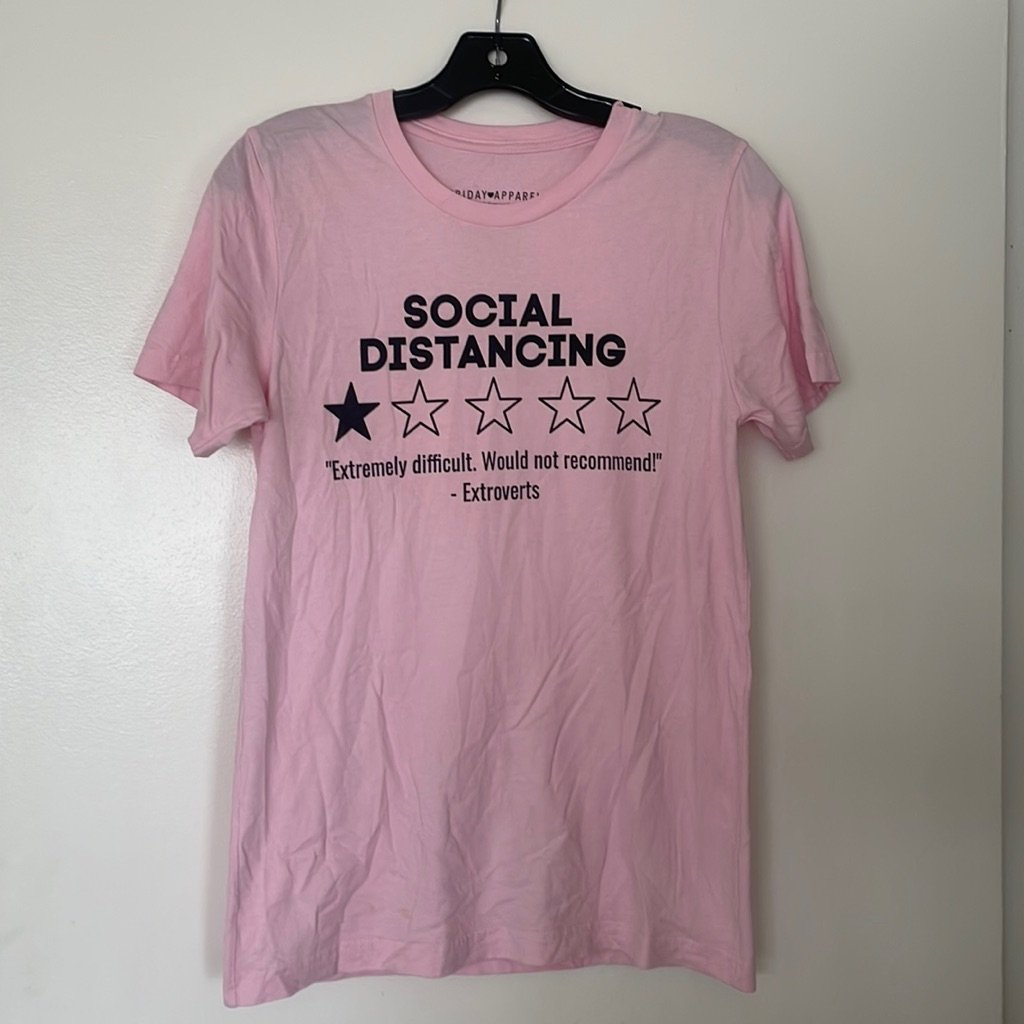
    Etsy Shop Tshirt

    The good news is that you don’t need a massive team or a huge budget to reclaim your time. A few smart AI tools can handle the repetitive, boring parts of your workflow. Whether you’re looking for a way to supplement your income or you’re wondering how much can you earn by automating your operations, the goal is the same: working smarter, not harder.

    Why automation is the secret to scaling your shop

    Many sellers treat Etsy like a hobby, which means they only work on it when they have “extra” time. However, if you want to turn this into a real business—perhaps even something that rivals a traditional job—you need consistency. Consistency requires systems. When you automate, you aren”t just saving minutes; you’re preventing burnout.

    Think about the tasks that eat up your day. Listing creation, SEO research, customer service inquiries, and social media marketing are the big four. By using AI to handle these, you can focus on what actually makes money: product development and strategy. While a beginner might start with a few sales a month, an automated shop can eventually manage hundreds of listings without a proportional increase in your workload.

    Automating your product research and SEO

    Finding out what people actually want to buy is half the battle. You don’t want to spend weeks making something that no one is searching for. This is where AI-driven research tools come in.

    Using AI for keyword discovery

    Instead of guessing which tags to use, you can use tools like Everbee or eRank. While these aren’t “pure” generative AI like ChatGPT, they use sophisticated algorithms to analyze Etsy search data. They show you exactly how many searches a keyword gets and how much revenue specific listings are generating. Using these tools allows you to spot trends before they become saturated.

    Writing descriptions that sell

    Once you have your keywords, you need to turn them into readable, persuasive descriptions. This is where ChatGPT or Claude can step in. A great way to do this is to provide the AI with a list of your key features and your target keywords, then ask it to write a description in a specific tone—like “cozy,” “minimalist,” or “professional.”

    A simple workflow looks like this:

    • Extract high-volume keywords from eRank.
    • Input those keywords into ChatGPT along with your product details.
    • Ask the AI to format the description with bullet points for easy reading.
    • Review and tweak to ensure it sounds like you.

    Streamlining your visual content creation

    Photos are the most important factor in whether a customer clicks on your listing. If your photos look amateur, your sales will reflect that. You don’t need a professional studio, but you do need polished imagery.

    AI-powered background removal and enhancement

    Tools like Photoroom or Canva’s Magic Studio are incredibly beginner friendly. If you take a photo of a handmade candle on your kitchen table, these tools can instantly strip away the messy background and replace it with a clean, aesthetic marble surface or a soft-focus studio setting. This gives your shop a high-end look for a fraction of the cost of a professional photographer.

    Generating mockups with AI

    If you sell digital downloads, such as printable wall art or t-shirt designs, you don’t actually need to print and photograph every single item. AI mockup generators allow you to place your digital art into realistic settings. This saves you the physical cost of production and the time of setting up shots.

    Managing customer service and shop operations

    As your shop grows, the number of “Where is my order?” or “Do you offer custom colors?” messages will increase. Answering these manually can kill your productivity.

    While you should never let an AI talk to customers without supervision, you can use it to draft templates. Keep a document of common questions and use an AI tool to create variations of polite, helpful responses. This ensures your tone remains consistent and professional, even when you’re busy.

    The cost and time investment breakdown

    If you are comparing this vs traditional job stability, it’s helpful to look at the overhead. Automation isn’t free, but it is relatively inexpensive compared to hiring a virtual assistant.

    Here is a rough estimate of what you might spend to get started:

    s

    Tool Category Example Tool Estimated Monthly Cost
    SEO & Research eRank / Everbee $5 – $20
    Content & Copy ChatGPT / Claude $0 – $20
    Graphic Design Canva Pro $12
    Photo Editing Photoroom $0 – $10

    In terms of time, the initial setup—creating your prompts and organizing your workflows—might take about 5 to 10 hours of focused work. However, once the system is running, you can reduce your daily “admin” time by 50% or more.

    Final thoughts on staying human

    It is easy to get caught up in the tech and forget that Etsy is a marketplace built on human connection. Don’t let your shop become a ghost town of AI-generated text that feels robotic. Use these tools to handle the heavy lifting, but always add your personal touch, your unique brand voice, and your genuine passion to every listing.

    If you’re ready to take your shop to the next level, start small. Pick one task—maybe it’s just writing your next five descriptions—and try using an AI tool to assist you. You might be surprised at how much more room you have to breathe once the automation kicks in.

    Ready to scale your side hustle? Start by auditing your current workflow and identifying the one task that drains your energy the most. That is your first candidate for automation.

    Our Top Picks

    Products we recommend:

    1. How to Etsy: Your Step by Step Guide to Etsy

    How to Etsy: Your Step by Step Guide to Etsy

    How to Etsy: Your Step by Step Guide to Etsy

    by Audiobooks.com

    $19.99

    Check Price →

    2. The Ultimate Guide To Selling On Etsy: How To Turn Your Etsy Shop Side Hustle Into A Business

    The Ultimate Guide To Selling On Etsy: How To Turn Your Etsy Shop Side Hustle Into A Business

    The Ultimate Guide To Selling On Etsy: How To Turn Your Etsy Shop Side Hustle Into A Business

    by Indigo Books & Music

    $18.50

    Check Price →

    3. How to Automate Your Life with Google Gemini – Audiobook, by Julian Brantor

    How to Automate Your Life with Google Gemini - Audiobook, by Julian Brantor

    How to Automate Your Life with Google Gemini – Audiobook, by Julian Brantor

    by Chirp Books

    $8.99

    Check Price →

  • Best Niches For Kdp Puzzle Books In 2026

    Best Niches For Kdp Puzzle Books In 2026

    If you have been scrolling through YouTube or TikTok lately, you have likely seen someone claiming they made thousands of dollars last month just by uploading simple word searches to Amazon. It sounds incredibly tempting, especially when you compare the low barrier to entry vs traditional job stability. But as we look toward 2026, the landscape of Kindle Direct Publishing (KDP) is changing. The days of uploading generic, low-effort puzzles and expecting a windfall are largely over. To make this work now, you need to stop thinking like a casual hobbyist and start thinking like a niche researcher.

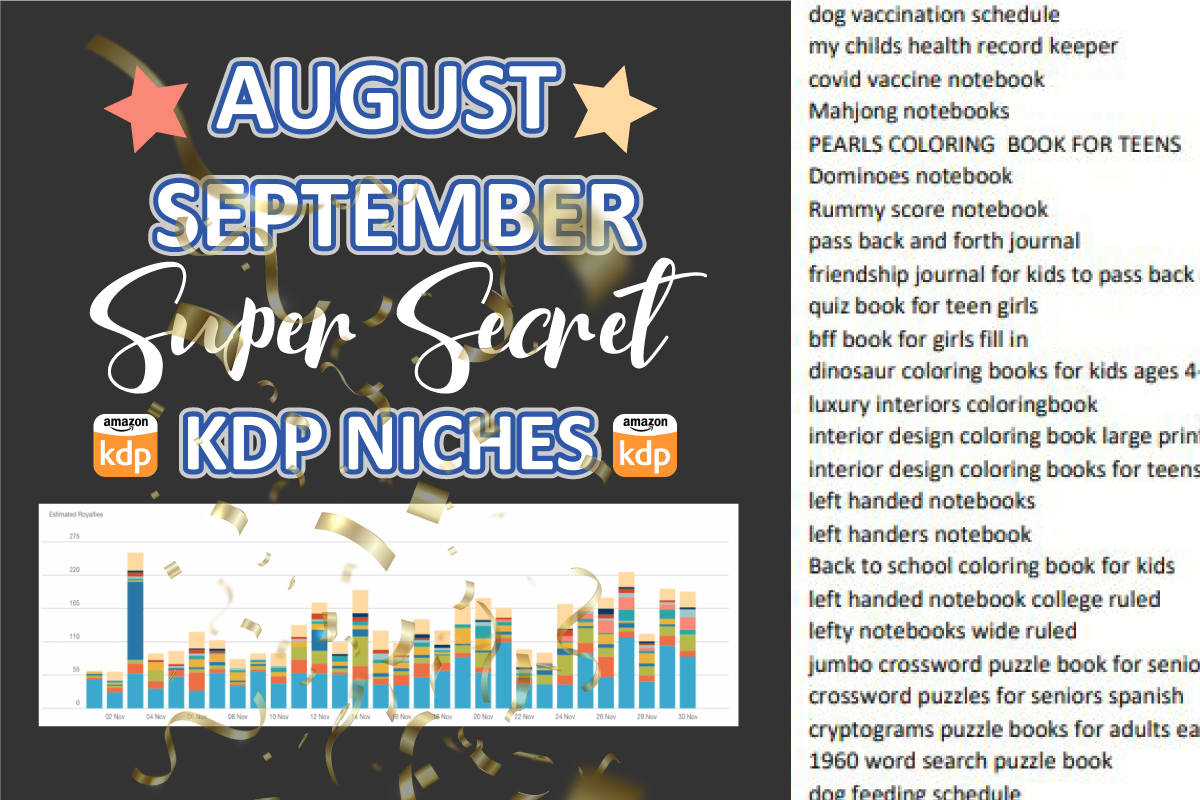
    August September Secret Kdp Niches by Elimesherstudio | Creative Market

    The good news is that the demand for tactile, screen-free entertainment is actually growing. People are feeling “digital fatigue,” and physical puzzle books offer a much-needed break from blue light. If you can find the right intersection of a hungry audience and low competition, you can build a sustainable side income. Let’s look at the specific niches that are projected to thrive in 2026.

    The Rise of Hyper-Specific Demographic Puzzles

    Generic “Sudoku for Adults” is a graveyard of failed publishing attempts. The competition is too high, and the margins are razor-thin. Instead, the real money in 2026 lies in “micro-niches”—books designed for a very specific person with a very specific interest.

    Neurodivergent-Friendly Activity Books

    There is a massive, underserved market for puzzle books designed specifically for individuals with ADHD or Autism. These aren’t just standard puzzles; they are books that incorporate sensory-friendly layouts, dopamine-friendly reward systems (like progress trackers), and varying difficulty levels to prevent overwhelm. Creating these requires more care in design, but the loyalty of this customer base is incredibly high.

    The “Silver Gamer” Market

    As the population ages, the demand for cognitive stimulation books for seniors is skyrocketing. However, don”t just make “large print” books. Think about themes that resonate with this demographic—nostalgic 1950s trivia, classic cinema crosswords, or gardening-themed word searches. These readers are often willing to pay a premium for high-quality, easy-to-read paper and clear instructions.

    Niche Ideas Based on Emerging Lifestyle Trends

    Predicting trends is part of the fun. By 2026, we expect certain lifestyle shifts to dictate what people buy during their downtime.

    • Eco-Conscious Living: Puzzle books centered around sustainability, composting, zero-waste lifestyles, and urban gardening.
    • Solo Travel Companions: Small-format, pocket-sized puzzle books designed specifically for long train rides, flights, or camping trips.
    • Mindfulness and Slow Living: Books that combine simple logic puzzles with coloring elements or journaling prompts to encourage a “slow” way of life.

    How much can you earn from these niches?

    This is the question everyone asks. Let’s be realistic. If you are running a single-book operation, you might make $20 to $50 a month. However, if you build a library of 50 to 100 high-quality, niche-specific books, a monthly income of $500 to $2,000 is a very achievable goal. It is not a “get rich quick” scheme, but rather a long-term asset-building strategy.

    The Logistics: Costs, Time, and Tools

    Starting this journey is quite beginner friendly, provided you don’t try to do everything manually. You don’t need a degree in graphic design, but you do need a systematic approach.

    Startup Costs

    One of the best parts about KDP is that you don’t need to hold inventory. Your primary costs will be:

    1. Software Subscriptions: Canva Pro (approx. $12/month) or Adobe Creative Cloud (approx. $55/month) for high-quality layouts.
    2. Puzzle Generation Tools: Tools like Puzzle Wiz or Book Bolt are essential for creating professional-grade grids without spending hours on manual entry.
    3. Research Tools: A subscription to Helium 10 or Publisher Rocket (approx. $10-$50/month) to find low-competition keywords.

    Total initial investment: Under $100.

    Time Investment

    Expect to spend about 5 to 10 hours per book if you are doing it correctly. This includes keyword research, puzzle generation, interior formatting, and designing a cover that actually stands out. If you try to rush this in 1 hour, your reviews will reflect that, and Amazon’s algorithm will stop showing your book to customers.

    Building a Sustainable Workflow

    To avoid burnout, you need a repeatable process. Don’t just jump from one idea to the next. Pick a “sub-niche” (for example, “Vintage Botanical Crosswords”) and create a series. This allows you to reuse your research and build brand recognition. When a customer loves your “Vintage Botanical” book, they are much more likely to click on your “Vintage Floral” Sudoku book.

    Remember, the goal is to create a brand, not just a collection of random files. Use tools like Creative Fabrica to find unique, high-quality graphics that make your covers look professional and distinct from the thousands of generic templates circulating online.

    If you are ready to stop browsing and start building, the best time to start researching your first niche is today. Pick one theme, look at the data, and create something that actually provides value to a specific reader.

    Our Top Picks

    Products we recommend:

    1. 3000 Best Kdp Coloring Book Niches by Elimesherstudio | Creative Market

    3000 Best Kdp Coloring Book Niches by Elimesherstudio | Creative Market

    3000 Best Kdp Coloring Book Niches by Elimesherstudio | Creative Market

    by Creative Market

    $11.00

    Check Price →

    2. Best Of The Week Sunday Crosswords: New York Magazine Crossword Puzzle Books For Adults, Crossword Puzzle Books For Adults Large P

    Best Of The Week Sunday Crosswords: New York Magazine Crossword Puzzle Books For Adults, Crossword Puzzle Books For Adults Large P

    Best Of The Week Sunday Crosswords: New York Magazine Crossword Puzzle Books For Adults, Crossword Puzzle Books For Adults Large P

    by Indigo Books & Music

    $9.50

    Check Price →

    3. Best Books for Teens

    Best Books for Teens

    Best Books for Teens

    by BiggerBooks.com

    $171.33

    Check Price →

  • Best Niches For Kdp Puzzle Books In 2026

    Best Niches For Kdp Puzzle Books In 2026

    Let’s be honest: the “low-content” gold rush of 2018 is long gone. If you go onto Amazon today and search for “word search book,” you’ll see millions of results, most of them looking like they were made in five minutes by a bot. But here is the good news: the demand for high-quality, specialized puzzle books isn’t shrinking. In fact, as people look for ways to disconnect from screens, the hunger for tactile, “analog” entertainment is growing.

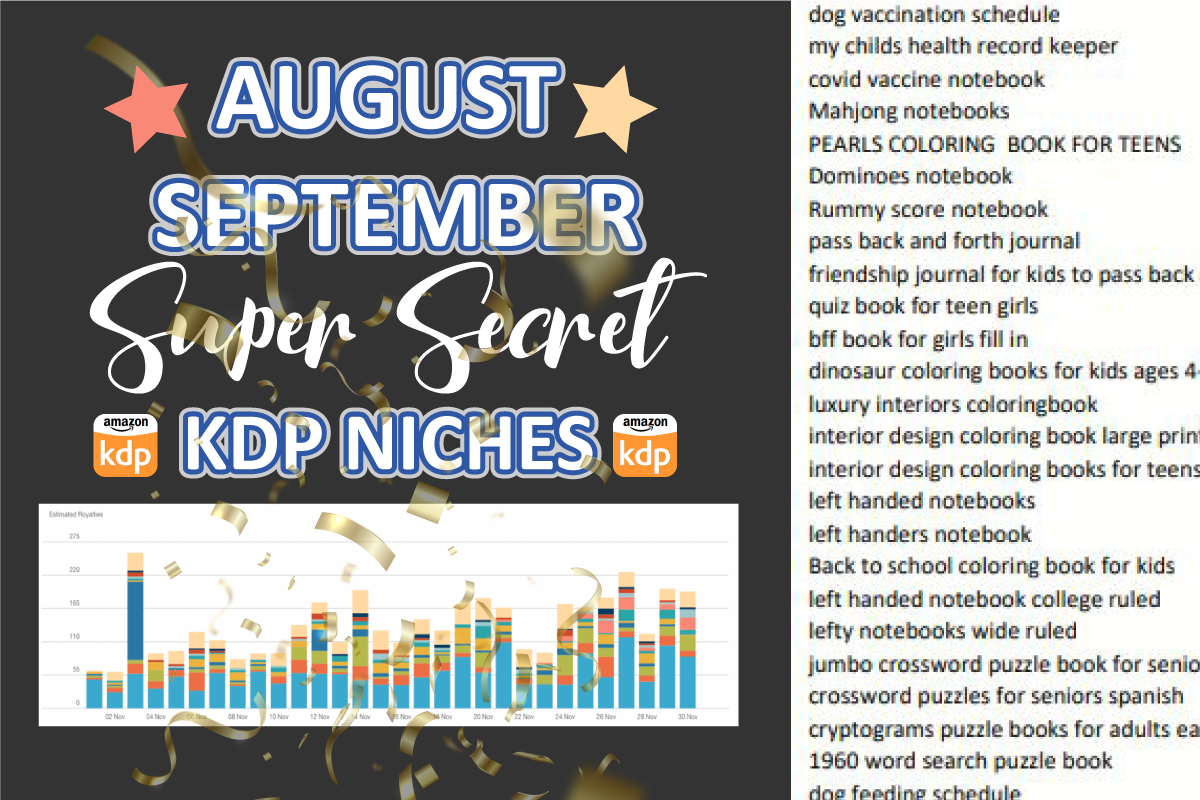
    August September Secret Kdp Niches by Elimesherstudio | Creative Market

    As we look toward 2026, the strategy for Kindle Direct Publishing (KDP) has shifted from quantity to specificity. You can no longer just throw a generic Sudoku book at the wall and hope it sticks. You need to find pockets of interest where competitors are lazy. If you are weighing this vs traditional job stability, you need to understand that success here depends on your ability to spot trends before they become saturated.

    Finding Your Edge in a Saturated Market

    The secret to surviving in KDP isn’t about finding a niche with zero competition—that niche probably has zero customers. Instead, you want to find “micro-niches.” These are specific sub-categories where enthusiasts are looking for something tailored to their unique hobbies, professions, or lifestyles. Instead of a “Brain Games Book,” think “Sudoku for Retired Nurses” or “Cryptograms for True Crime Fans.”

    < multiplier-logic>

    When you narrow your focus, your advertising costs drop because your keywords are much more precise. You aren’t bidding on expensive, broad terms; you are bidding on specific interests. This is how small creators compete with big publishing houses.

    Top Profitable Puzzle Niches for 2026

    Predicting the future is tricky, but based on current shifts in lifestyle and aging demographics, these three areas show massive potential for the next few years.

    1. The Neurodivergent & Cognitive Care Niche

    There is a massive, underserved market for puzzles designed specifically for neurodivergent brains (ADHD, Autism) or for seniors dealing with early-stage cognitive decline. These aren’t just standard puzzles; they require specific formatting. For example, larger fonts, higher contrast, and instructions that don’t overwhelm the reader. This is a high-value niche because the customers are incredibly loyal once they find a brand they trust.

    2. Hyper-Specific Hobbyist Crosswords

    People love to see their passions reflected in the content they consume. We are seeing a rise in “themed” puzzle books. Think about niches like:

    • Vintage Botany and Herbology
    • Urban Beekeeping and Permaculture
    • Retro 80s/90s Nostalgia
    • Specific breed enthusiast books (e.g., Golden Retriever lovers)

    These readers aren’t just buying a book; they are buying a way to celebrate their identity.

    3. The “Unplugged” Travel Companion

    As digital detox trends continue to grow, there is a huge opportunity for “Traveler’s Log Puzzles.” These are small-format, pocket-sized books designed specifically for long train rides, camping trips, or flight delays. The focus here is on portability and durability.

    The Financial Reality: What to Expect

    I don’t want to sugarcoat this. This isn’t a “get rich overnight” scheme. It is a real business that requires research and design skills. If you are wondering how much can you earn, the answer is highly variable. Some creators earn an extra $200 a month to cover groceries, while others running a library of 500+ high-quality books can see much higher figures.

    Let’s look at the numbers realistically:

    • Realistic Monthly Income: $50 to $2,000+ (depending on your catalog size and ad spend).
    • Startup Cost: $50 – $200. This covers your KDP account (free), a subscription to a design tool like Canva Pro or Adobe Creative Cloud, and perhaps a small budget for a specialized puzzle generator like Puzzle Wiz or Book Bolt.
    • Time Investment: 5 to 15 hours per book. This includes niche research, puzzle creation, formatting, and uploading.

    Breaking Down the Startup Cost

    You don’t need a massive budget to start. In fact, starting too big is a mistake. You can begin with just a laptop and a Canva subscription. The most significant “cost” is actually your time spent on keyword research. Using tools like Helium 10 or Publisher Rocket can give you an edge, but they come with monthly fees. If you are on a tight budget, start by manually analyzing Amazon’s “Auto-complete” feature to see what people are searching for.

    Essential Tools for Your 2026 Toolkit

    To compete in 2026, your books must look professional. If your interior looks like a messy Word document, you will get one-star reviews that kill your sales instantly. Here is what you should be using:

    1. Puzzle Generation: Tools like Book Bolt or specialized software for generating Sudoku, Word Search, and Mazes. This saves you dozens of hours of manual work.
    2. Graphic Design: Canva is the gold standard for beginners, but if you want to create truly unique covers that stand out, learning the basics of Adobe Illustrator or Affinity Designer is a massive advantage.
    3. Market Research: Publisher Rocket is the industry favorite for finding profitable keywords and seeing the estimated monthly revenue of competitors.

    Common Pitfalls to Avoid

    The biggest mistake I see new creators making is “niche jumping.” They create one book, it doesn’t sell in the first week, and they quit. KDP is a volume and testing game. You need to build a library. Another trap is ignoring the “Look Inside” feature. Amazon allows customers to preview your interior. If your puzzles are poorly formatted or the text is too small to read, you’ve lost the sale before they even hit the buy button.

    Lastly, don’t ignore the importance of quality over quantity. One incredible, well-researched book in a micro-niche will outperform fifty generic, low-effort word search books every single time.

    Ready to Start Your KDP Journey?

    The best time to start was a year ago; the second best time is today. Don’t wait until you have the “perfect” plan. Pick one small hobby you are interested in, research the competition, and try to create your first high-quality puzzle book. The learning process is where the real profit lies.

    If you found this helpful, subscribe to our newsletter for more deep dives into sustainable side hustles and digital publishing strategies.

    Our Top Picks

    Products we recommend:

    1. 3000 Best Kdp Coloring Book Niches by Elimesherstudio | Creative Market

    3000 Best Kdp Coloring Book Niches by Elimesherstudio | Creative Market

    3000 Best Kdp Coloring Book Niches by Elimesherstudio | Creative Market

    by Creative Market

    $11.00

    Check Price →

    2. Best Of The Week Sunday Crosswords: New York Magazine Crossword Puzzle Books For Adults, Crossword Puzzle Books For Adults Large P

    Best Of The Week Sunday Crosswords: New York Magazine Crossword Puzzle Books For Adults, Crossword Puzzle Books For Adults Large P

    Best Of The Week Sunday Crosswords: New York Magazine Crossword Puzzle Books For Adults, Crossword Puzzle Books For Adults Large P

    by Indigo Books & Music

    $9.50

    Check Price →

    3. Best Books for Teens

    Best Books for Teens

    Best Books for Teens

    by Knetbooks.com

    $155.93

    Check Price →

  • Kdp Low Content Book Ideas That Sell

    Kdp Low Content Book Ideas That Sell

    Ever sat there scrolling through Amazon, looking at all those notebooks, planners, and journals, and thought, “I could probably make one of those”? It’s a tempting thought, especially when you start looking at the potential of Amazon KDP (Kindle Direct Publishing) as a way to build a side income. Unlike a traditional job where you trade hours for a fixed paycheck, KDP allows you to create an asset once and potentially earn royalties every time someone clicks “buy” for months or even years.

    But here is the reality check: you can’t just upload a blank notebook with a pretty cover and expect to retire by next summer. The market is crowded. To actually see results, you need to move away from generic “composition notebooks” and find specific niches where people are actively looking for a solution to a problem. If you want to know how much can you earn, the answer depends entirely on your ability to find these underserved pockets of the market.

    The Real Numbers: What to Expect Before You Start

    Before we get into the specific ideas, let’s talk about the logistics. Many people view this as a “get rich quick” scheme, but it is more of a “slowly build a digital library” project. When comparing this vs traditional job structures, the upside is unlimited, but the downside is that there is no guaranteed hourly wage.

    Your startup cost is incredibly low. If you already have a laptop and an internet connection, you are essentially ready to go. You might spend $0 to $50 a month on tools like Canva Pro or specialized research software. Your time investment is the real currency here. A single, well-researched book might take you anywhere from 3 to 10 hours to design, format, and upload.

    As for income, it varies wildly. I have seen creators making an extra $50 a month from a single hobbyist journal, while others managing a portfolio of 500+ books earn several thousand dollars monthly. It is a volume and niche game.

    High-Potential Low Content Niches

    To succeed, you need to stop thinking about “books” and start thinking about “utilities.” People buy low-content books to track something, organize something, or express something. Here are a few areas that currently show strong demand.

    1. Specialized Logbooks

    Generic logs are dead. However, highly specific logs are thriving. Think about people with very particular hobbies or medical needs. Instead of a “Fitness Log,” try a “Weightlifting Progress Tracker for Powerlifters” or a “Blood Sugar and Carb Counter for Type 2 Diabetics.”

    • Beekeeping Logbooks: Tracking hive inspections and honey yields.
    • Bird Watching Journals: Space for species, date, and location.
    • Small Business Expense Trackers: Simple ledgers for Etsy or eBay sellers.
    • Plant Care Journals: For the growing community of indoor plant enthusiasts.

    2. Niche Activity Books

    While “low content” usually implies minimal text, adding a bit of “medium content” (like puzzles or prompts) can significantly increase your value. This requires more work, but the competition is often lower because it’s harder to produce.

    You can use tools like Creative Fabrica to find pre-made puzzle elements or Book Bolt to help with the layout. A “Sudoku Book for Seniors” or a “Word Search for Marine Biology Lovers” targets a specific person with a specific interest.

    3. Guided Prompt Journals

    A blank journal is hard to sell because the customer has to do all the work. A guided journal does the heavy lifting for them. You provide the questions, and they provide the answers. This is a great way to tap into the self-help and mindfulness markets.

    Ideas include:

    • Gratitude Journals for Busy Moms: Short, 2-minute daily prompts.
    • Shadow Work Journals: Deep, psychological prompts for self-reflection.
    • Manifestation Diaries: Focused on goal setting and visualization.

    Essential Tools for Your Toolkit

    You don’t need to be a graphic designer to do this, but you do need the right software. Using professional-looking tools will separate you from the amateurs who are flooding the store with messy designs.

    For interior design and covers, Canva is the gold standard for beginners. It is intuitive and has a massive library of elements. If you want to get more serious about the technical side, Adobe Illustrator allows for much more precise vector work, which is great for high-quality printing.

    For market research, you cannot fly blind. You need to see what people are searching for. Publisher Rocket is a fantastic tool for this. It shows you actual Amazon search volume and how much competitors are making. This prevents you from wasting 10 hours creating a book that nobody is actually looking for.

    A Simple Workflow to Avoid Burnout

    The biggest mistake new creators make is trying to publish 100 books in one week. You will burn out, and the quality will suffer. Instead, follow this repeatable process:

    1. Identify a Micro-Niche: Don’t just pick “Gardening.” Pick “Succulent Care Tracking.”
    2. Analyze Competition: Look at the top 10 books in that niche. Read their 1-star reviews. What are they missing? Did they forget to include a section for watering dates? That gap is your opportunity.
    3. Create the Interior: Focus on functionality first. Make sure there is enough room for people to write.
    4. Design a Standout Cover: The cover is your only marketing tool on the Amazon search page. It must look professional and clearly communicate what is inside.
    5. Optimize Your Metadata: Use relevant keywords in your title and backend keywords so Amazon knows who to show your book to.

    If you stay consistent and focus on quality over sheer quantity, you can build a steady stream of passive royalties. It won’t happen overnight, but the effort you put in today stays on the Amazon servers forever.

    Ready to start your publishing journey? Pick one niche from the list above, grab a free Canva account, and try to design your first interior today. The hardest part is simply hitting the “publish” button for the first time.

    Our Top Picks

    Products we recommend:

    1. Ideas That Sell More Music Books

    Ideas That Sell More Music Books

    Ideas That Sell More Music Books

    by Indigo Books & Music

    $6.50

    Check Price →

    2. Book Proposals That Sell

    Book Proposals That Sell

    Book Proposals That Sell

    by Knetbooks.com

    $19.86

    Check Price →

    3. Book Proposals That Sell

    Book Proposals That Sell

    Book Proposals That Sell

    by eCampus.com

    $9.99

    Check Price →