Ever scrolled through Etsy or Amazon at 2 AM and thought, “I could definitely make a better design than that”? We’ve all been there. The temptation to launch a print on demand (POD) empire is real, especially when you see people posting screenshots of massive monthly payouts. But here is the cold, hard truth: a pretty design doesn’t always equal a sale. You can create the most aesthetically pleasing floral pattern in the world, but if nobody is searching for it, your shop will stay as quiet as a library.
Selling mugs is one of the most beginner friendly ways to enter the e-commerce space. Why? Because mugs are low-risk, high-utility, and people buy them constantly as gifts. However, the competition is fierce. To actually see an ROI on your time, you need to move away from “generic” and move moving toward “specific.” This guide will walk you through the design strategies that move inventory, not just digital files.
Moving Beyond Generic Graphics
The biggest mistake new sellers make is trying to please everyone. If you make a mug that says “Coffee Lover,” you are competing with millions of other listings. To make sales, you need to find a “micro-niche.” A micro-niche is a specific subset of a larger group. Instead of “Dog Lovers,” think “Retired Greyhound Owners” or “New Puppy Owners who love French Bulldogs.”
When you target a specific identity, your design becomes a badge of honor for the buyer. People don’t just buy a mug; they buy a way to express who they are. This specificity reduces your competition and allows you to charge a premium because your product feels custom-made for them.
The Power of Typography and Text-Based Designs
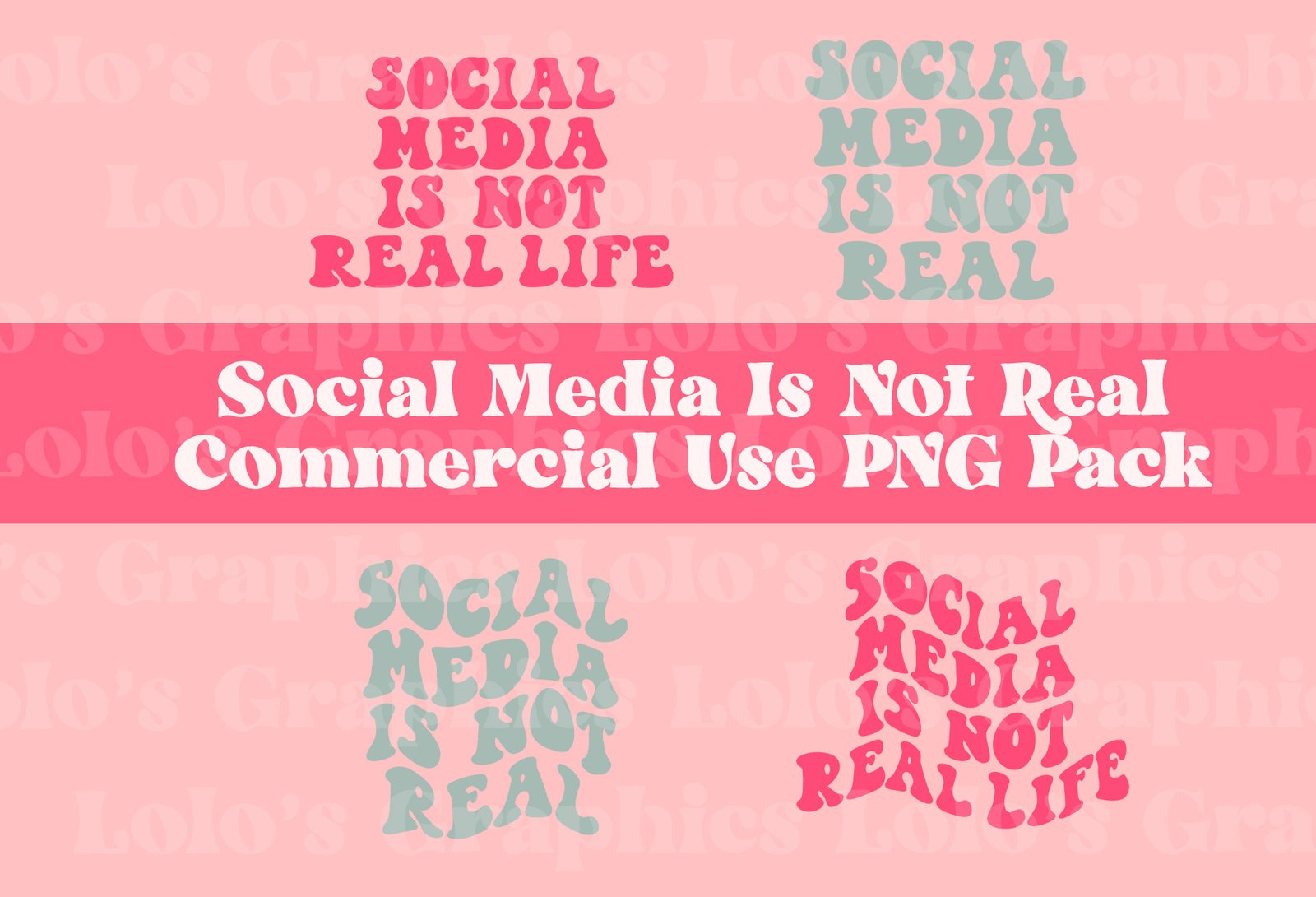
You don’t need to be a master illustrator to succeed. In fact, some of the highest-selling mugs on platforms like Redbubble or Printful are nothing more than clever, well-placed text. Typography-heavy designs are incredibly easy to produce using tools like Canva or Adobe Illustrator.
Focus on these three text-based styles:
- Relatable Humor: Think “Internal Screaming” or “This meeting could have been an email.” These work because they tap into shared daily struggles.
- Niche Quotes: Use jargon that only people in a specific profession or hobby would understand. For example, coding jokes for software engineers or specific plant care tips for “plant parents.”
- Minimalist Aesthetic: Simple, clean fonts (like Helvetica or a delicate script) paired with a single word can appeal to the modern, “aesthetic” buyer.
Visual Storytelling Through Illustration
If you do have some artistic skill, use it to create scenes rather than just objects. Instead of just a picture of a cat, imagine a cat wearing tiny reading glasses sitting next to a stack of books. This adds a layer of personality that a simple clip-art cat lacks. You can use tools like Procreate on an iPad to hand-draw these elements, giving your shop a unique, handmade feel that separates you from the mass-produced look.
Analyzing the Economics: What to Expect
Before you dive headfirst into designing, let’s talk numbers. You might be wondering, how much can you earn from a mug shop? The reality is that it varies wildly. Some sellers make an extra $50 a month, while others build full-time businesses generating $5,000+ monthly. It is rarely a “get rich quick” scheme; it is a volume and optimization game.
Here is a realistic breakdown of the startup phase:
| Category | Estimated Cost/Time |
|---|---|
| Startup Costs | $0 – $50 (Domain, Canva Pro, or basic design software) |
| Time Investment | 5-10 hours per week (Researching niches + Designing) |
| Profit Margin | $3 – $7 per mug (After platform fees and production) |
The beauty of the POD model is that your initial investment is incredibly low. You don’t need to hold inventory or deal with shipping. You only pay for the mug once a customer has already paid you. Your main “cost” is the time spent researching trends and uploading designs.
Understanding Your Margins and ROI
To calculate your true ROI, you have to account for more than just the cost of the mug. You need to factor in platform fees (like Etsy’s listing fees and transaction fees) and your marketing efforts. If you spend $20 on Etsy ads to sell five mugs that net you $25 in profit, you’ve made a $5 profit. It’s a slim margin, which is why scaling through organic SEO (Search Engine Optimization) is vital.
Where to Sell and How to Scale
Choosing the right marketplace is just as important as the design itself. There are two main routes you can take: Marketplace-based or Storefront-based.
The Marketplace Route (Low Effort, High Competition)
Platforms like Amazon Merch on Demand, Redbubble, and Teepublic are great because they already have massive amounts of traffic. You don’t need to drive your own customers to the site; you just need to show up in the search results. This is the best route for beginners because it requires almost zero marketing spend.
The Storefront Route (High Effort, High Control)
Setting up your own Shopify or Etsy shop gives you much more control over your branding and customer data. You can build a real brand identity and use social media (like Pinterest or TikTok) to drive traffic. While this requires more work in terms of marketing, the long-term value of owning your customer list is much higher.
Essential Tools for Your Toolkit
You don’t need a studio full of gear. Start with these:
- Canva: Perfect for typography and simple layouts.
- Printful or Printify: These are the “suppliers” that handle the printing and shipping.
- Etsy or Shopify: Your digital storefront.
- Google Trends: To see what topics are rising in popularity before you design them.
Final Thoughts on Finding Your Niche
Success in the mug business comes down to one thing: empathy. You have to put yourself in the shoes of the person searching for a gift. Are they looking for something funny to make their coworker laugh? Are they looking for something sentimental for a grandmother? When you design with a specific person in mind, the sales tend to follow.
Don’t get discouraged if your first ten designs don’t sell. Treat your shop like a laboratory. Test different fonts, different niches, and different colors. Eventually, you’ll find that “winning” design that starts the momentum.
Ready to start your design journey? Pick one hobby you are passionate about today, go to Pinterest to see what the current “vibe” is, and create your first five text-based concepts. The best way to learn is to simply start creating.
Our Top Picks
Products we recommend:
1. Mug Cake Recipes That Actually Work (eBook)
2. Did That Actually Happen?

3. Labels that Sell Goods Painting Print