Ever scrolled through Etsy or Amazon, saw a mug with a simple, slightly funny quote, and thought, “I could totally make that”? You’re right. You could. But there is a massive difference between making a design you like and making a design that someone actually pulls out their credit card for.
The world of print on demand (POD) is often painted as a way to escape the 9-to-5 grind, but if you approach it without a strategy, it’s just a hobby that costs you money. When people ask me how much can you earn from selling mugs, the honest answer is: it varies wildly. I’ve seen creators making an extra $200 a month on the side, while others running full-scale shops pull in $5,00 far beyond what a traditional job offers. The difference usually comes down to design relevance and niche selection.
Moving beyond generic “Coffee Lover” ideas
Most beginners start with the broadest possible topics. They create a mug that says “Coffee is my love language” or “Best Mom Ever.” The problem? You are competing with millions of other sellers doing the exact same thing. To see actual sales, you need to narrow your focus.
Think about micro-niches. Instead of “Dog Lover,” try “Retired Greyhound Owners” or “Bernese Mountain Dog Moms.” Instead of “Teacher,” think “High School Chemistry Teachers” or “First Grade Kindergarten Teachers.” When you target a specific group, your design speaks directly to their identity. People don’t buy mugs; they buy ways to express who they are.
The “Identity and Hobby” Formula
A winning design usually combines a specific identity with a specific emotion or activity. Here are a few categories that consistently perform well:
- Hyper-specific professions: Nurses, engineers, or even niche roles like “Radiology Technicians.”
- Niche hobbies: Indoor gardening, sourdough baking, or retro gaming.
- Seasonal/Event-based: Graduation, new job promotions, or specific holiday themes that aren’t just “Merry Christmas.”
and Relatable struggles: The “tired” aesthetic, the “caffeine-dependent” vibe, or the “Monday morning” mood.
Design styles that convert
You don’t need to be a master illustrator to succeed. In fact, some of the highest-selling mugs are purely typographic. If you can pick a great font and pair it with a witty phrase, you’re halfway there. However, the visual style needs to match the vibe of the niche.
Minimalist Typography
Clean, sans-serif fonts work wonders for modern, “aesthetic” brands. This style is great for the “clean girl” or “minimalist home” niches. It looks expensive and sophisticated, which allows you to maintain a slightly higher margin.
Retro and Groovy Aesthetics
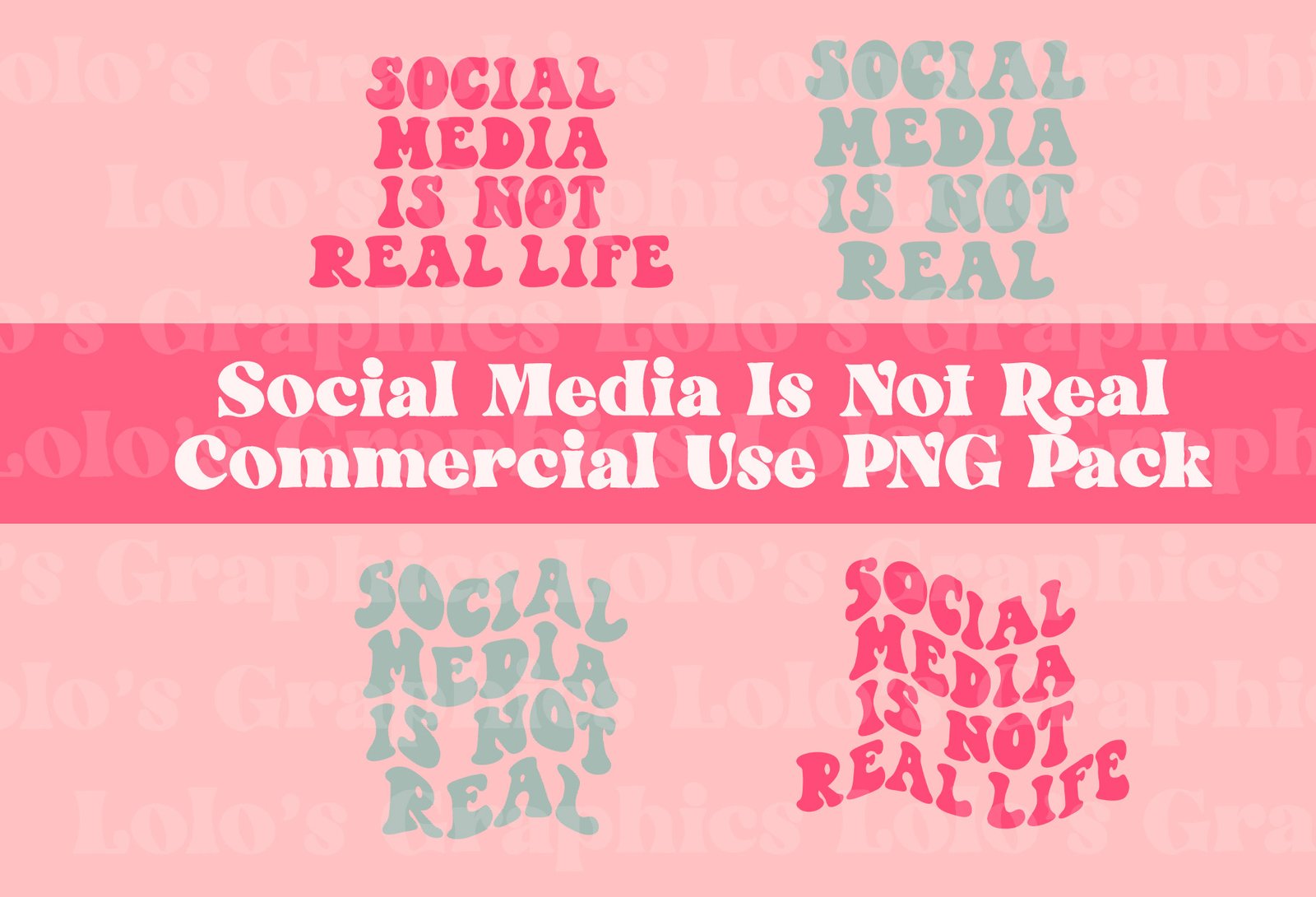
The 70s-inspired look—think wavy fonts, muted earth tones, and “distressed” textures—is incredibly popular right now. This style works perfectly for hobbyist niches like astrology, boho decor, or vintage lovers.
Illustrative and Cute
If you have some drawing skills, “kawaii” or doodle-style illustrations are gold. Think small, cute animals doing human things (like a cat drinking coffee). This appeals heavily to the Gen Z and Millennial demographics on platforms like Etsy.
The logistics: Cost, time, and profit
Before you dive in, let’s talk numbers. Many people compare this vs traditional job stability, but it’s important to view POD as a scalable business rather than an instant paycheck.
Startup cost: You can start with almost $0 if you use free tools like Canva or the basic version of Photopea. However, I recommend budgeting around $50-$100 for a subscription to a tool like Kittl or Creative Fabrica to get high-quality, commercially licensed graphics. You’ll also want a small buffer for Etsy listing fees ($0.20 per listing).
Time investment: The initial phase—researching niches and creating your first 50 designs—will likely take 20 to 40 hours of focused work. Once the shop is live, maintenance is much lower, perhaps 3-5 hours a week for uploading new designs and checking trends.
Profit margins: A standard 11oz mug might sell for $14.99. After the print provider (like Printful or Printify) takes their cut (roughly $5-$7) and the marketplace takes their transaction fees, you are looking at a profit of about $3 to $5 per mug. To make significant money, you need volume.
Essential tools for your toolkit
Don’t try to do everything from scratch. Use these industry standards to save time and improve quality:
- Printify or Printful: These are your fulfillment partners. They handle the printing and shipping directly to your customer.
- Canva or Kittl: For layout and typography. Kittl is particularly great for those “retro” looks mentioned earlier.
- Etsy or Amazon Merch on Demand: These are your storefronts. Etsy is better for brand building; Amazon is better for sheer traffic.
- Everbee or Erank: Essential for Etsy research. These tools show you exactly what keywords and products are currently trending and making money.
How to avoid the “Ghost Town” shop syndrome
The biggest mistake is uploading ten designs and waiting for the money to roll in. SEO (Search Engine Optimization) is what brings people to your shop. You need to think like a shopper. If someone is looking for a gift, what exactly would they type into the search bar?
Instead of naming your product “Funny Mug,” use a long-tail keyword title like “Funny Science Teacher Coffee Mug, Chemistry Gift for Professor, Biology Lab Humor.” This covers multiple search terms and increases your visibility in a crowded marketplace.
Consistency is the only way to win. Treat your shop like a library. The more high-quality, niche-specific “books” (designs) you add, the more ways there are for customers to find you. Don’t get discouraged if your first ten designs don’t sell; the real progress happens when you hit that 100-design milestone.
Ready to start your side hustle? Pick one niche you actually enjoy, spend this weekend researching keywords on Etsy, and create your first five designs. The best time to start was yesterday; the second best time is right now.
Our Top Picks
Products we recommend:
1. How To Write A Book That Doesn’t Suck (and Will Actually Sell)
How To Write A Book That Doesn’t Suck (and Will Actually Sell)
by Indigo Books & Music
$9.97
2. Did That Actually Happen?

3. Did That Actually Happen?
