Tag: Passive Income

  • Etsy Digital Download Ideas For Passive Income

    Etsy Digital Download Ideas For Passive Income

    I remember sitting at my desk six months ago, staring at a pile of bills and wondering if there was a way to make a few extra hundred dollars a month without committing to a second 9-to-5. That search led me to Etsy digital downloads. Unlike physical products, where you have to deal with shipping, inventory, and broken items, digital files are created once and sold a thousand times. It is one of the most beginner friendly ways to start an online business because your overhead is incredibly low.

    If you are comparing this vs traditional job structures, the biggest difference is the scalability. While a job pays you for your time, a digital shop works while you sleep. You might not get rich overnight, but once you build a library of high-quality files, the income can become quite steady. Let’s look at some specific niches that actually have demand right now.

    Profitable Digital Product Categories to Explore

    Choosing a niche is the hardest part. You want something that people are actively searching for, but you don’t want to enter a market so saturated that your hard work goes unnoticed. Here are a few areas where you can find a gap in the market.

    Printable Organization and Planning Tools

    People are obsessed with productivity. This niche is great because once you design a template, you can tweak it for different audiences. You could create meal planners for busy moms, habit trackers for fitness enthusiasts, or budget planners for college students. Using tools like Canva or Adobe Illustrator, you can build these layouts relatively quickly.

    • Time investment: 2-5 hours per template design.
    • Startup cost: $0 (using free versions of Canva).
    • Potential monthly income: $50 – $500 per month as your shop grows.

    Educational Resources for Teachers and Parents

    With the rise of homeschooling and supplemental learning, there is a massive market for “busy work” or educational worksheets. Think alphabet tracing sheets, math flashcards, or coloring pages. This is a high-volume niche, meaning you might sell many items at a lower price point, but the demand is almost constant.

    Parents often look for these items last minute, making them prime candidates for quick impulse buys. If you have a knack for making learning fun, this is a great path.

    Digital Stationery and Wedding Templates

    Wedding planning is expensive, so many couples look for budget-friendly DIY options. You can design wedding invitations, RSVP cards, and “save the date” templates that customers can edit themselves using platforms like Corjl or Templett. This requires a bit more technical setup, but the profit margins per sale are often higher than a simple printable.

    • Time investment: 10-15 hours for a full cohesive wedding suite.
    • Startup cost: $20-$50 for software subscriptions.
    • Potential monthly income: $200 – $1,500+ during peak wedding seasons.

    Essential Tools for Your Digital Shop

    You don’t need a degree in graphic design to succeed here, but you do need the right toolkit. I started with nothing but a laptop and a free Canva account, and that was enough to get my first sale. As you grow, you might want to upgrade.

    For design, Canva is the gold standard for beginners. It is intuitive and has thousands of elements at your disposal. If you want to get more professional and create vector-based graphics that never lose quality when resized, investing in Adobe Illustrator is a smart move. For typography, check out Creative Market or Google Fonts to ensure your designs look unique and professional.

    Managing your shop requires organization. Use Etsy’s built-in analytics to see which keywords are bringing people to your shop. You should also use a tool like eRank or Marmalead. These are essential for SEO because they tell you exactly what shoppers are typing into the search bar, helping you avoid guessing games.

    How to Keep Your Startup Cost Low

    One of the biggest advantages of this business model is the minimal startup cost. You aren’t renting a warehouse or buying bulk supplies. Your primary expenses will be:

    1. Etsy Listing Fees: $0.20 per item listed.
    2. 0. Design Software: $0 to $50 per month.

    3. Research Tools: $0 to $30 per month.

    Because your risk is so low, you can afford to experiment. If you spend a weekend making planners and they don’t sell, you haven’t lost hundreds of dollars in materials. You’ve only lost a bit of time. This allows you to pivot quickly to a different niche if you notice the market isn’t responding to your current style.

    The Reality of Making Passive Income

    I want to be honest with you: “passive” is a bit of a misnomer in the beginning. There is a significant amount of active work required to set up your shop, create your first 20-30 products, and optimize your listings. You won’t see much movement until you have a substantial catalog of items.

    Think of it like planting a garden. You have to prepare the soil, plant the seeds, and water them every day for a while before you can sit back and enjoy the harvest. However, once that garden is established, the maintenance is minimal compared to the output. The goal is to reach a point where your existing listings generate sales without you needing to create something new every single day.

    Success on Etsy comes down to consistency and listening to your customers. Read your reviews, see what people are asking for, and use that data to inform your next design. If you stay focused on solving problems for your customers, the income will follow.

    Are you ready to start your own digital shop? Pick one niche from the list above, grab a free Canva account, and try to create your first five listings this week. The hardest part is simply starting.
  • Best Niches For Kdp Puzzle Books In 2026

    Best Niches For Kdp Puzzle Books In 2026


    If you’ve been hanging around the KDP community for a while, you know the old advice: “Just make a generic word search and upload it.” We both know that doesn’t work anymore. The Amazon marketplace is way too crowded for generic content. As we look toward 2026, the strategy has to shift from volume to specificity. You can’t just throw spaghetti at the wall; you need to find the pockets of demand where people are actually looking to spend money.

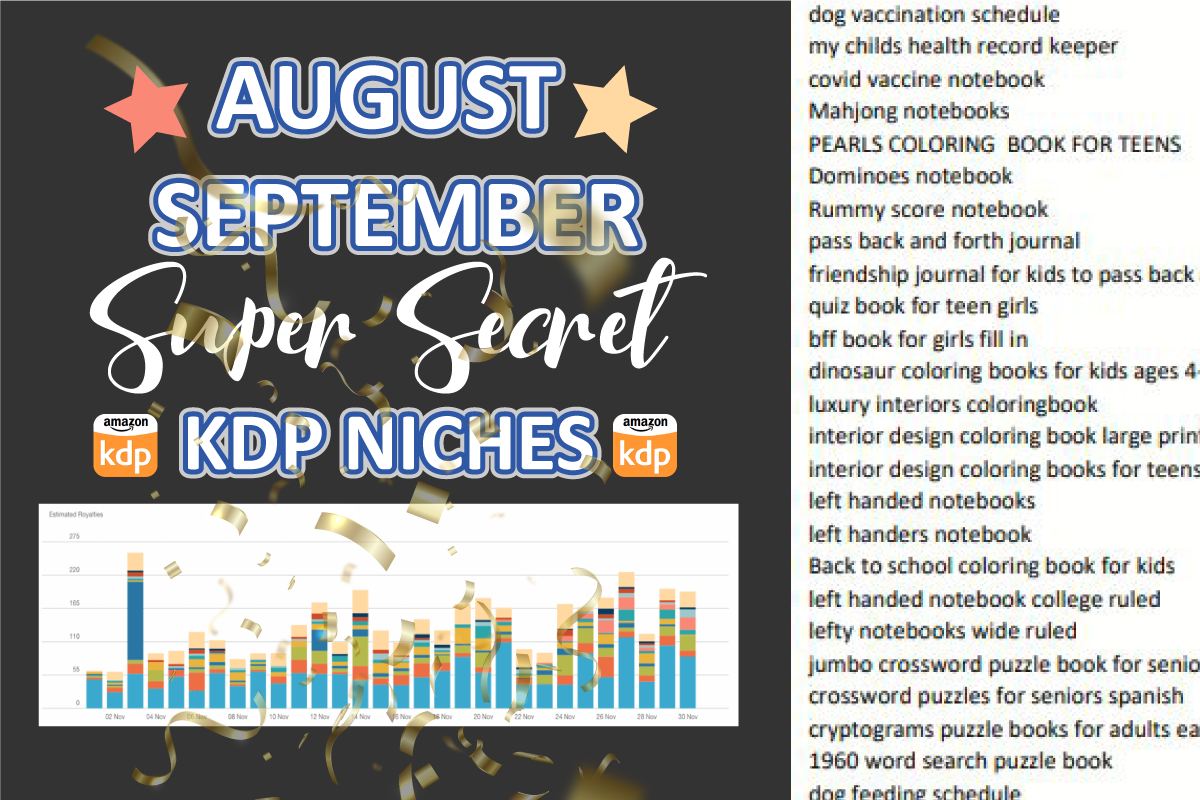
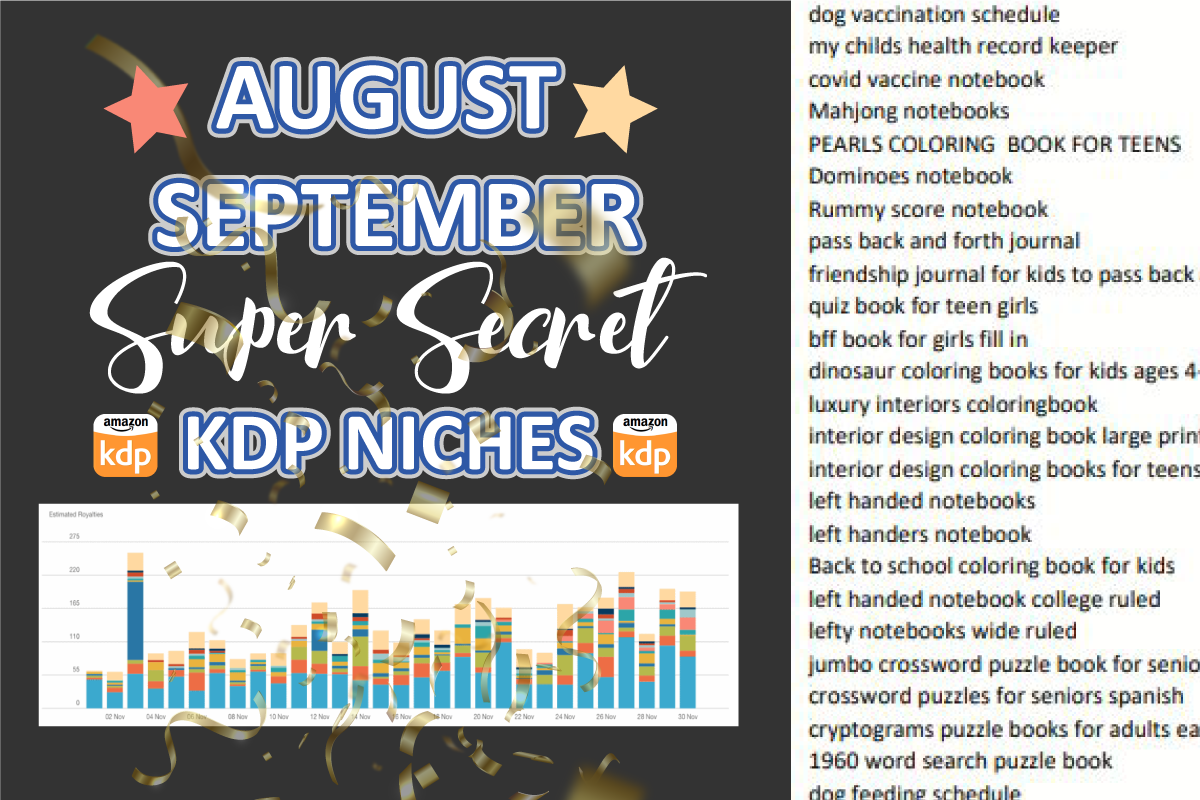
    August September Secret Kdp Niches by Elimesherstudio | Creative Market

    I’ve spent a lot of time analyzing trends in low-content publishing, and the most successful creators are moving away from “all ages” books and toward hyper-niche hobbyist groups. This isn’t about finding a gold mine; it’s about finding a small, dedicated stream of customers that others are overlooking. If you are looking for a beginner friendly way to start a side hustle, puzzle books are still one of the best entry points because the production barrier is so low.

    The Landscape of KDP in 202 and Beyond

    The competition is higher than it was three years ago, but the quality of tools available to us has skyrocketed. We aren’t just manually typing out words anymore. With the rise of AI-assisted design and specialized puzzle generators, the “work” has shifted from creation to curation and research. To see a real ROI, you have to treat your KDP account like a real publishing house, not a hobby.

    When comparing this to a traditional job, the upside is the scalability. You don’t trade hours for dollars in the same way. Once a book is live, it stays live. However, the downside is the lack of a guaranteed paycheck. You need a strategy that focuses on evergreen niches—topics that people will still be searching for in 2027, 2028, and beyond.

    Top Profitable Puzzle Niches for 2026

    Finding the right niche requires a balance of high demand and manageable competition. Here are the areas I’m watching closely for the upcoming year.

    Hyper-Specific Hobbyist Word Searches

    Generic word searches are dead. Instead, think about specific sub-cultures. We are talking about “Succulent Care Enthusiasts,” “Vintage Sewing Machine Collectors,” or “Amateur Beekeeping.” These people have deep passions and love seeing their interests reflected in physical media. When you target a hobby, your Amazon Advertising (AMS) becomes much cheaper because your keywords are so specific.

    Neurodivergent-Friendly Activity Books

    There is a massive, underserved market for puzzles designed specifically for ADHD or Autistic brains. This means puzzles with clear instructions, high-contrast layouts, and perhaps “dopamine-friendly” reward systems (like progress trackers within the book). This requires more design effort, but the loyalty of this audience is incredibly high.

    The “Senior Brain Health” Segment

    As the global population ages, the demand for cognitive stimulation is skyrocketing. However, don’t just make a “Large Print Sudoku.” Make “Sudoku for Gardeners” or “Logic Puzzles for History Buffs.” The goal is to combine cognitive difficulty with a comforting, familiar theme. This niche is less about the puzzle itself and more about the aesthetic and accessibility of the book.

    Nostalgia-Driven Cryptograms

    Nostalgia is a powerful buying trigger. Puzzles that use themes from the 1970s, 80s, or 90s—ranging from retro pop culture to vintage advertisements—are gold mines. People buy these not just to solve them, but as a way to reconnect with a specific era.

    What to Expect: Costs, Time, and Earnings

    Let’s get real about the numbers. I don’t want you to think this is “passive income” that requires zero effort. It is active work that eventually becomes passive.

    • Startup Costs: If you are smart, you can start with under $100. Your main expenses will be a subscription to a tool like Canva Pro for design and perhaps a specialized puzzle generator like Puzzle Wiz or Book Bolt.
    • Time Investment: Expect to spend about 5 to 10 hours per book if you are doing high-quality, themed content. This includes keyword research using tools like Helium 10 or Publisher Rocket, designing the interior, and creating a professional cover.
    • Realistic Income: This varies wildly. A single “hit” book in a great niche can bring in $200–$500 a month. A library of 50 high-quality, niche books can realistically generate $1,000–$3,000 monthly. It is rarely an overnight success.

    Essential Tools for Your 2026 Toolkit

    To compete in 2026, you need to use the right tech. Relying on manual creation is a recipe for burnout.

    1. Research: Publisher Rocket is still the gold standard for finding much-needed keyword data and seeing estimated monthly revenues for competitors.
    2. Creation: Book Bolt is a fantastic all-in-one solution for those who want to manage the entire process from idea to upload.
    3. Design: Canva remains the most accessible tool for cover design, but don’t be afraid to learn the basics of Adobe Express for more complex layouts.
    4. Quality Control: Always use a PDF checker to ensure your margins and bleed settings are correct before uploading to KDP.

    Success in KDP isn’t about being the person who uploads the most books; it’s about being the person who uploads the most valuable books. If you focus on solving a problem—like providing boredom relief for a specific hobbyist—the sales will follow. Stop looking for shortcuts and start looking for niches.

    Are you ready to start your first niche research session? Pick one hobby you know well and see if there is a gap in the current Amazon listings. That is your first step toward building a real publishing brand.

    Our Top Picks

    Products we recommend:

    1. 3000 Best Kdp Coloring Book Niches by Elimesherstudio | Creative Market

    3000 Best Kdp Coloring Book Niches by Elimesherstudio | Creative Market

    3000 Best Kdp Coloring Book Niches by Elimesherstudio | Creative Market

    by Creative Market

    $11.00

    Check Price →

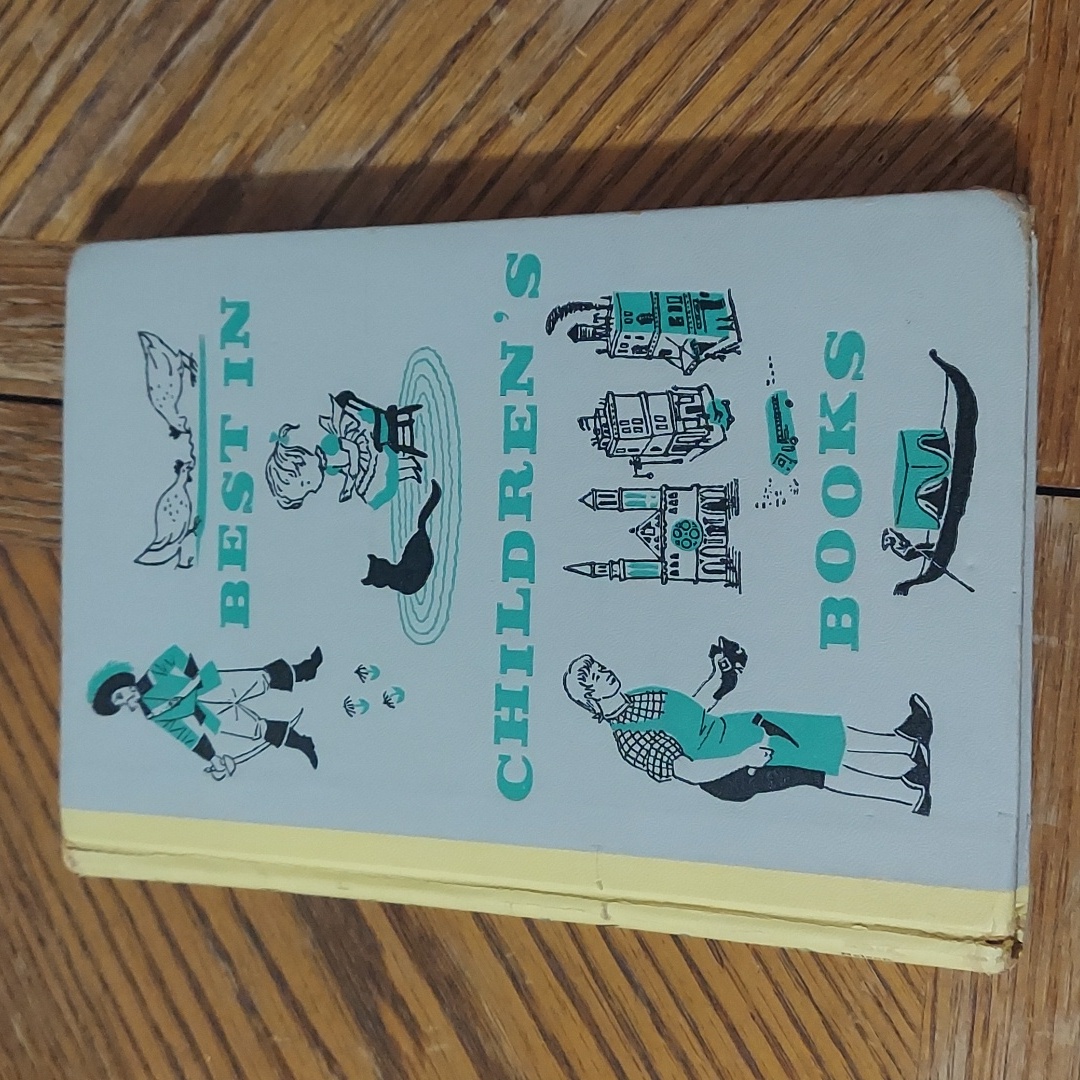
    2. Best In Children’s Books

    Best In Children's Books

    Best In Children’s Books

    by Poshmark

    $39.00

    Check Price →

    3. Best Books for Teens

    Best Books for Teens

    Best Books for Teens

    by Knetbooks.com

    $173.96

    Check Price →

  • How To Start A Print On Demand Business In 2026

    How To Start A Print On Demand Business In 2026

    Imagine waking up, checking your phone, and seeing notifications for sales that happened while you were sleeping. It sounds like a dream, but for anyone running a print on demand (POD) shop, this is the actual goal. Unlike traditional retail, where you have to buy hundreds of shirts and hope they sell, POD allows you to only pay for a product after a customer has already bought it from you. You aren’t stuck with a garage full of unsold inventory.

    Start Time by Erhan Durceylan Photographic Print on Canvas Canvas On Demand

    As we move into 2026, the landscape has changed. AI tools have made designing much easier, and global logistics have become incredibly fast. However, the competition is also higher. You can’t just slap a random quote on a t-shirt and expect to get rich. You need a real strategy. If you’ve been wondering how much can you earn or if this is even worth your time, let’s break down exactly how to build this from scratch.

    The reality of the POD business model

    Before we jump into the “how-to,” we need to talk about the “what.” Print on demand is a dropshipping variant. You act as the designer and marketer, while a third-party provider handles the printing, packaging, and shipping. This means your primary job is finding a niche and driving traffic to your store.

    When comparing this vs traditional job, the pros and cons are clear. You have total freedom over your schedule, but you also have no guaranteed paycheck. There is no boss to tell you when to work, which can be a struggle if you lack discipline. However, the scalability is much higher. In a job, you trade hours for dollars. In POD, a single viral design can sell thousands of units without you working an extra minute.

    What to expect regarding your budget and time

    One of the biggest misconceptions is that you can start with zero dollars. While you don’t need to buy inventory, you do need funds for software, samples, and marketing. Here is a realistic breakdown of your initial startup cost:

    • Domain and E-commerce Platform: $30 – $50 per month (Shopify or Etsy fees).
    • Design Tools: $0 – $30 per month (Canva Pro or Midjourney subscriptions).
    • Sample Products: $50 – $100 (You must see the quality before selling it).
    • Marketing/Ads: $100 – $500 (Initial testing phase).

    Total estimated starting budget: $200 – $700.

    Regarding time, don’t expect overnight success. In the first three months, you should plan to invest about 10-15 hours per week researching niches, creating designs, and setting up your store. Once the foundation is laid, maintenance might only take 5 hours a decade, but the heavy lifting happens upfront.

    Step 1: Finding a profitable niche for 2026

    Generic stores die quickly. If you try to sell to “everyone,” you end up selling to no one. The secret to longevity is finding a sub-culture or a specific passion. Instead of “dog lovers,” think “owners of senior rescue greyhounds.” The more specific you are, the cheaper your advertising becomes because your target audience is easier to find.

    Look for communities that are active on platforms like Reddit, TikTok, or Discord. These people are already talking, sharing memes, and buying merchandise. Your goal is to create something that makes them say, “I need that.”

    Using AI for market research

    In 2026, you shouldn’t be guessing what people want. Use tools like ChatGPT or Perplexity to analyze trending topics within specific hobbies. Ask the AI to identify “pain points” or “inside jokes” within the knitting community or the retro gaming community. These inside jokes are gold for apparel design.

    Step 2: Setting up your production and storefront

    You need two main components: a fulfillment partner and a storefront. Your fulfillment partner is the company that actually prints the gear. Popular choices include Printful or Printify. They integrate directly with your store, so when an order comes in, it’s automatically sent to them.

  • Printify: Great for variety and lower profit margins.
  • Printful: Slightly more expensive but offers higher quality control and better branding options.
  • Etsy: The best place to start if you don’t have an audience. They bring the customers to you, though they take a cut of every sale.
  • Shopify: The best choice for building a long-term brand. You own the customer data, but you have to drive all your own traffic via social media or ads.

The importance of product variety

Don’t limit yourself to just t-shirts. While tees are the easiest entry point, the margins can be thin. Explore embroidered hats, heavy-weight hoodies, tote bags, and even home decor like blankets or mugs. Diversifying your catalog allows you to capture different price points and seasonal trends.

Step 3: Designing without being a professional artist

You do not need to be able to draw to succeed in POD. Many of the best-selling items are text-based or use simple graphic elements. The focus should be on the message and the aesthetic, not complex illustrations.

Midjourney and other generative AI tools have changed the game for creators. You can generate high-resolution, unique graphics that would have previously required hiring an expensive illustrator. However, always ensure you have the rights to use these images for commercial purposes. Combine these AI images with clean typography in Canva to create professional-looking products.

Always remember to check your designs for copyright infringement. Avoid using trademarked characters, movie quotes, or celebrity likenesses. One copyright strike can shut your entire business down permanently.

Step 4: Driving traffic and scaling

A beautiful store is useless if no one sees it. In 2026, organic short-form video is your best friend. TikTok, Instagram Reels, and YouTube Shorts allow you to showcase your products in action without spending a dime on ads. Create “behind the scenes” content, show how you design, or participate in trending challenges using your products.

Once you see which designs are getting likes and comments, that is your signal to put some money behind them. This is where you transition from organic growth to paid advertising using Meta Ads or Pinterest Ads. This is how you move from a small side hustle to a significant income stream.

Summary of the roadmap

Starting a print on demand business is a marathon, not a sprint. If you focus on high-quality niches, use modern tools to assist your design process, and stay consistent with your marketing, the potential for growth is massive. It requires more effort than a standard job initially, but the freedom and scalability are well worth the grind.

Ready to take the first step? Start by picking one niche today and researching five potential design ideas. Don’t overthink it—just start building.

Our Top Picks

Products we recommend:

1. How to Start a Business in Texas

How to Start a Business in Texas

How to Start a Business in Texas

by Knetbooks.com

$24.81

Check Price →

2. How to Start a Business (eBook)

How to Start a Business (eBook)

How to Start a Business (eBook)

by VitalSource

$75.84

Check Price →

3. How to Start a Pet Photography Business

How to Start a Pet Photography Business

How to Start a Pet Photography Business

by OnBuy.com

$13.70

Check Price →

  • How To Start A Print On Demand Business In 2026

    How To Start A Print On Demand Business In 2026

    You’ve probably seen those ads on social media showing people making five figures a month while sipping lattes on a beach. It looks easy, but let’s be real: starting a business is hard work. However, print on demand (POD) remains one of the most accessible ways to enter the e-commerce space because you don’t have to buy thousands of dollars in inventory upfront. You only pay for a product after a customer has already paid you.

    Start Time by Erhan Durceylan Photographic Print on Canvas Canvas On Demand

    As we move into 2026, the landscape has shifted slightly. The days of just slapping a generic quote on a white t-shirt and expecting a windfall are over. Customers want quality, niche relevance, and brand personality. If you are looking for a way to build something of your own, here is a practical guide on how to get your foot in the door without breaking the bank.

    The Reality of the POD Business Model

    Before you dive in, you need to understand what you are actually signing up for. Unlike a traditional job where you trade hours for a set paycheck, POD is an entrepreneurial venture. There is no guaranteed salary, but the potential for unlimited ROI exists if you find a winning product niche.

    Comparing POD to a traditional job

    When you weigh a POD side hustle vs traditional job, the main difference is the risk-to-reward ratio. In a standard 9-to-5, your income is capped. In POD, your income is tied to your ability to market and design. While a job provides stability, POD provides scalability. You can start this while working your regular job, using your evenings to build your brand.

    The financial commitment is also much lower than starting a standard retail store. You aren’t renting a warehouse or managing shipping logistics. Your main responsibilities are design, niche research, and customer service.

    Budgeting for Your Launch

    One of the biggest misconceptions is that you can start for zero dollars. While you can certainly start very cheaply, you should budget for a few essential tools to ensure you aren’t just wasting your time. Here is a realistic breakdown of what you might spend in your first three months.

    • Low-end startup cost: $50 – $100 (Using free design tools like Canva, basic social media organic reach, and free trial periods for apps).
    • Mid-range startup cost: $300 – $500 (Subscription for high-quality design assets, a professional Shopify plan, and small-scale Meta or TikTok ads).
    • Professional setup: $1,000+ (Custom branding, premium design software, professional photography/mockups, and an established ad budget).

    I recommend starting at the low-to-mid range. Don’t blow your entire savings on fancy logos before you’ve even made your first sale. Focus your money on things that directly drive traffic to your store.

    Choosing Your Infrastructure

    You need two main components: a storefront and a fulfillment partner. Think of the storefront as your shop window and the fulfillment partner as your warehouse and shipping department.

    The Fulfillment Side

    Printful and Printify are still the giants in 2026. Printify is excellent if you want to connect to various different print providers to find the best margins, while Printful is great if you want a more integrated, streamlined experience. Both integrate directly with your store, meaning when an order comes in, it automatically sends the details to the printer.

    The Storefront Side

    You have two main paths here: marketplaces or standalone stores.

    Marketplaces like Etsy or Amazon Merch on Demand are great because they already have massive amounts of traffic. You don’t have to work as hard to find customers, but you have less control over your branding and you face much higher competition. Standalone stores, usually built on Shopify, give you total control. You own the customer data and the brand experience, but you are responsible for every single visitor that hits your site via ads or SEO.

    Finding a Niche That Actually Sells

    If you try to sell to everyone, you will end up selling to no one. In 2026, the “general gift shop” model is dead. You need to find a specific group of people with shared interests, hobbies, or professions.

    Instead of “Dog Lovers,” try “Retired Greyhound Owners” or “Agility Training Enthusiasts.” Instead of “Coffee Lovers,” try “Late-Night Software Developers.” The more specific you are, the easier it is to write ads that resonate and create designs that make people say, “That is so me!”

    Use tools like Google Trends, Pinterest Trends, and even TikTok Creative Center to see what people are talking about. Look for communities that are passionate and, more importantly, have disposable income to spend on hobby-related merchandise.

    The Workflow: From Idea to Sale

    Success in POD comes down to a repeatable process. You can’t just wait for inspiration to strike. You need a system.

    1. Research: Identify a trending topic or an underserved niche.
    2. Design: Create a visual that speaks to that niche. If you aren’t a designer, use tools like Kittl or Canva, or hire a freelancer on Fiverr.
    3. Mockup: Use Placeit to create realistic photos of people wearing your products. High-quality mockups are non-negotiable for building trust.
    4. Listing: Upload your design to your fulfillment partner and sync it to your store. Write SEO-friendly titles and descriptions.
    5. Promote: Use organic TikToks, Instagram Reels, or Pinterest Pins to show off your products.

    Managing Your Expectations

    Let’s talk about the timeline. You are unlikely to see a massive profit in week one. Most people spend the first few months testing designs, seeing what fails, and iterating. Think of your first 50 designs as “market research” rather than “products.”

    A realistic income range for a dedicated part-timer in their first year might be anywhere from $100 to $1,000 per month. However, those who treat it like a real business—focusing on data, customer feedback, and consistent uploading—can see much higher numbers. It is a marathon, not a sprint.

    If you are ready to stop browsing and start building, pick one niche today and start researching. The best time to start was yesterday; the second best time is right now.

    Our Top Picks

    Products we recommend:

    1. How to Start a Business in California

    How to Start a Business in California

    How to Start a Business in California

    by Knetbooks.com

    $29.77

    Check Price →

    2. How to Start a Business (eBook)

    How to Start a Business (eBook)

    How to Start a Business (eBook)

    by VitalSource

    $6.37

    Check Price →

    3. How to Start a Pet Photography Business

    How to Start a Pet Photography Business

    How to Start a Pet Photography Business

    by OnBuy.com

    $13.70

    Check Price →

  • How To Start A Print On Demand Business In 2026

    How To Start A Print On Demand Business In 2026

    Imagine waking up, checking your phone, and seeing three new orders for t-shirts you designed while sitting in a coffee shop last week. It sounds like a dream, but if you do the work, it is a very real way to earn extra income. Print on demand (POD) has changed a lot lately, but the core idea remains the same: you create designs, a third-party supplier handles the printing and shipping, and you keep the profit margin. You don’t need a warehouse or a massive bank account to get moving.

    Start Time by Erhan Durceylan Photographic Print on Canvas Canvas On Demand

    As we move into 2026, the barrier to entry is lower than ever, but the competition is smarter. You can’t just slap a random clip-art image on a mug and expect to make a living. Success now requires a bit more strategy around niche selection and micro-marketing. If you are looking for a beginner friendly way to enter the e-commerce space, this is likely your best bet because the upfront risk is incredibly low.

    What does the financial reality look like?

    Before you dive in, let’s talk numbers. I don’t want to sugarcoat this; you won’t be a millionaire by next Tuesday. However, the startup cost is much lower than traditional retail. You aren’t buying 500 units of inventory upfront. Instead, you are paying for software subscriptions, perhaps some design tools, and small amounts of advertising.

    < p>Here is a realistic breakdown of what to expect:

    • Initial Investment: $100 – $500. This covers your Shopify or Etsy monthly fees, a Canva Pro subscription, and a small testing budget for Meta or TikTok ads.
    • Time Commitment: 10-15 hours per week. In the beginning, most of this time goes into research and design. Once you find a winning product, maintenance is much lighter.
    • Potential Income: $200 – $2,000+ per month. Some people scale this into a full-time career, but most start as a side hustle. Your ROI depends entirely on how well you find an underserved niche.

    Choosing your business model

    You essentially have two paths when starting out. You can either use a marketplace or build your own standalone store. Both have pros and cons that will affect your daily workflow.

    The Marketplace Approach (Etsy/Amazon)

    This is the easiest way to start. Platforms like Etsy already have millions of shoppers browsing for unique gifts. You don’t have to work as hard to find customers because they are already there. The downside? You have less control over your branding, and you are competing directly with everyone else on the same page. It is great for testing ideas without spending a dime on ads.

    The Independent Store Approach (Shopify)

    If you want to build a real brand, Shopify is the way to go. You own the customer data, you control the website design, and you can run targeted ads to specific audiences. This requires more effort because you are responsible for driving every single visitor to your site. It is harder to start, but the long-term value of a brand you own is much higher.

    The essential toolkit for 2026

    You don’t need to be a master graphic designer to succeed. Modern tools have made the creative process much more accessible. To keep your operations running, you will need a combination of design, fulfillment, and management software.

    First, you need a fulfillment partner. Printful and Printify are still the industry leaders. They integrate directly with your store, meaning when a customer buys a shirt, the order is automatically sent to the printer. You never touch the product.

    For design, Canva remains the king for non-designers. If you want to get more professional, look into Adobe Illustrator or Affinity Designer. Additionally, using AI-assisted tools like Midjourney can help you generate unique textures or elements for your artwork, provided you check the licensing rules for commercial use.

    Finding a profitable niche

    The biggest mistake beginners make is trying to sell to “everyone.” If you sell “cool shirts,” you will fail. You need to find a specific group of people with a shared passion or a specific problem. Think about hobbyists, specific professions, or even very niche lifestyle movements.

    Instead of “Dog Lovers,” try “Retired Greyhound Owners.” Instead of “Fitness Enthusiasts,” try “Postpartum Yoga Moms.” The more specific you are, the cheaper your advertising becomes and the more loyal your customers will be. You are looking for communities that are active on social media and frequently buy merchandise to show off their identity.

    Marketing your products in a crowded market

    In 2026, traditional Facebook ads are expensive. To get a good return on your investment, you should focus on organic social commerce. This means creating short-form video content on TikTok and Instagram Reels that showcases your products in a lifestyle context.

    Don’t just post a flat image of a shirt. Show someone wearing it while drinking coffee, or film a “pack an order with me” video. People buy from people. Building a community around your niche is much more effective than just running “Buy Now” ads. User-generated content (UGC) is also huge; once you get a few customers, ask them to send a photo of their gear in exchange for a discount code.

    Step-by-step launch checklist

    If you are ready to start today, follow this sequence to avoid getting overwhelmed:

    1. Research 5-10 sub-niches using tools like Google Trends or Etsy search bars.
    2. Create 20 high-quality designs using Canva or Midjourney.
    3. Set up a Printify account and connect it to an Etsy shop or Shopify store.
    4. Order samples of your own products to check the print quality and shipping speed.
    5. Create a social media presence on TikTok and Instagram specifically for your brand.
    6. Launch your first product and begin posting video content daily.

    Starting a print on demand business is a marathon, not a sprint. You will likely have zero sales in your first month, and that is perfectly normal. The goal is to learn from every design that fails and every piece of feedback you receive. If you stay consistent and keep refining your niche, the results will eventually follow.

    Ready to turn your creativity into a side income? Pick one niche today and start researching what people are already searching for. The best time to start was yesterday; the second best time is right now.

    Our Top Picks

    Products we recommend:

    1. How to Start a Business in Texas

    How to Start a Business in Texas

    How to Start a Business in Texas

    by Knetbooks.com

    $24.81

    Check Price →

    2. How to Start a Business (eBook)

    How to Start a Business (eBook)

    How to Start a Business (eBook)

    by VitalSource

    $6.27

    Check Price →

    3. How to Start a Pet Photography Business

    How to Start a Pet Photography Business

    How to Start a Pet Photography Business

    by OnBuy.com

    $13.70

    Check Price →

  • Print On Demand Mug Designs That Actually Sell

    Print On Demand Mug Designs That Actually Sell

    You’ve probably seen the ads. Someone sitting on a beach, sipping a latte, claiming they made five figures last month just by uploading a few pictures of cats onto coffee mugs. It sounds too good to be true because, honestly, if it were that easy, everyone would be doing it. But here is the reality: you can absolutely make money with print on demand (POD) mugs, but you won’t do it by uploading random clip art and hoping for the best. You need a strategy centered around specific, high-demand niches and designs that trigger an emotional response.

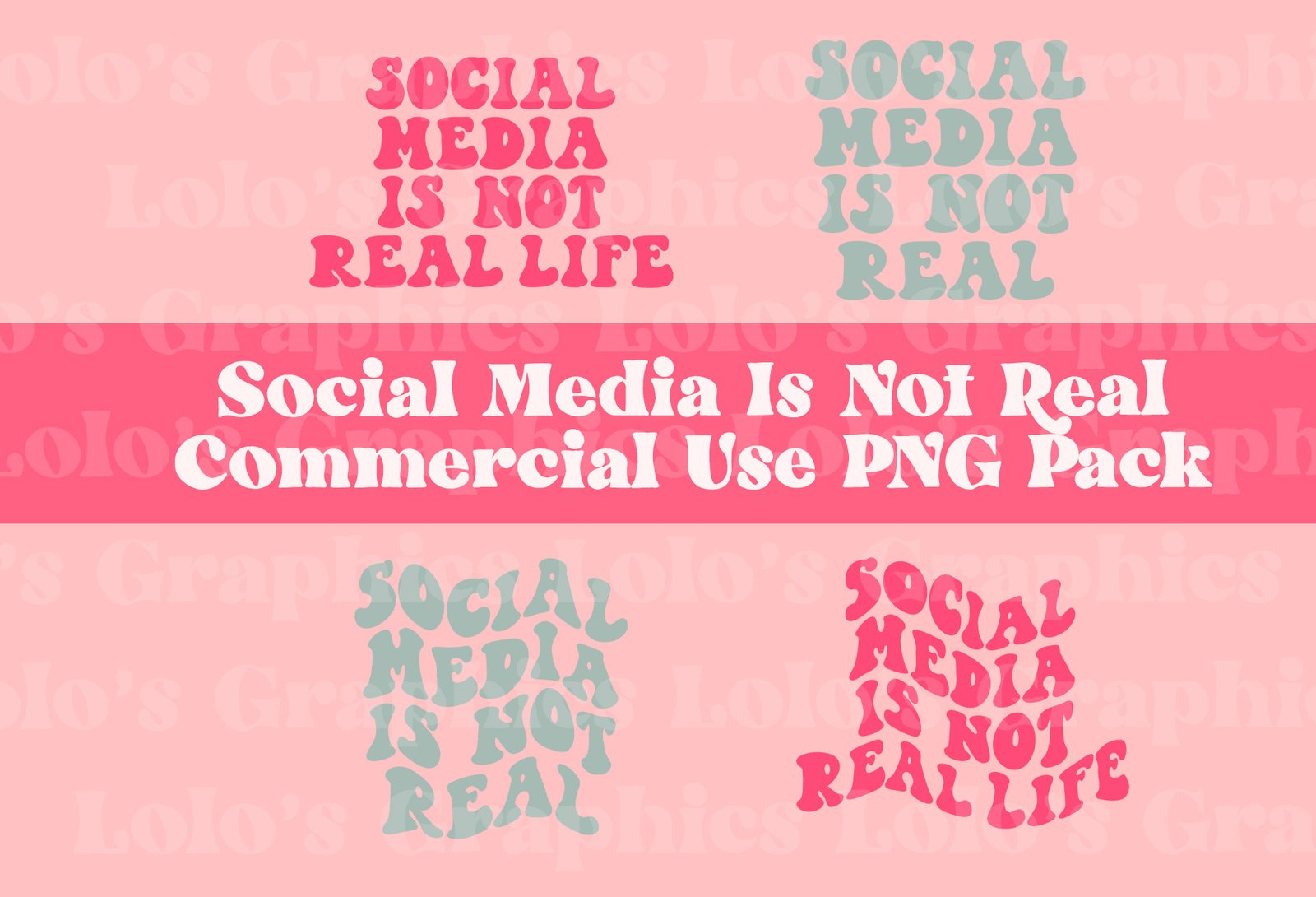
    Print On Demand T-Shirt Designs Png by Cotswold Co Designs | Creative Market

    Unlike a traditional job where you trade hours for a fixed paycheck, POD offers a different kind of ROI on your time. While you won’t get rich overnight, the potential for passive income once a design starts ranking in search results is why so many people are pivoting to this model. If you can master the art of finding what people actually want to buy, you can build a side hustle that runs while you sleep.

    The Economics of Mug Selling

    Before we get into the creative side, let’s talk numbers. Selling mugs is a low-barrier entry point, making it incredibly beginner friendly. You don’t need to buy 500 units of inventory or rent a warehouse. You only pay for the product after a customer has already paid you.

    When calculating your potential profit, you have to look at the margins. A standard 11oz ceramic mug usually costs around $4.00 to $5.00 when using a provider like Printful or Printify. You might sell it for $14.99 to $19.99. After accounting for shipping and platform fees (like Etsy’s transaction fees), you are likely looking at a profit of $3.00 to $7.00 per mug.

    Let’s break down the startup requirements:

    • Startup Costs: $0 – $50 (Primarily for design tools like Canva Pro or small Etsy listing fees).
    • Time Investment: 5-10 hours per week for research, designing, and uploading.
    • Realistic Income: Beginners often see $50-$200/month. Established shops with hundreds of high-quality listings can earn $1,000-$3,000+ monthly.

    Finding Niches That People Actually Buy

    The biggest mistake new sellers make is being too broad. If you create a mug that just says “Coffee Lover,” you are competing with millions of other designs. To win, you need to go three layers deep into a niche. Instead of “Dog Lovers,” think “Retired Greyhound Owners who love Gardening.”

    The Power of Micro-Niches

    Micro-niches work because they target specific identities. When someone sees a mug that perfectly describes their specific hobby, profession, or quirky personality trait, they feel a “that’s so me” moment. That feeling is what drives the click and the purchase.

    Some highly profitable micro-niches include:

    • Hyper-specific professions: Not just “Nurse,” but “Night Shift Oncology Nurse.”
    • Obscure hobbies: Things like mushroom foraging, vintage typewriter restoration, or urban beekeeping.
    • Relatable life stages: New grandmothers, first-time foster parents, or people celebrating 30 years in a specific industry.

    Seasonal and Occasion-Based Designs

    Mugs are the ultimate gift item. This means your design calendar should revolve around holidays. However, don’0t just focus on Christmas. Think about Teacher Appreciation Week, Mother’s Day, or even graduation season. Designing for these windows allows you to capture massive spikes in search volume.

    Design Strategies That Convert

    You don’t need to be a professional graphic designer to succeed, but you do need an eye for what looks clean and readable. Most mug sales come from typography-based designs. If the text is hard to read from a thumbnail image, people will keep scrolling.

    Typography-First Approach

    Many of the best-selling mugs are nothing more than a clever phrase in a beautiful font. Using tools like Canva or Kittl, you can experiment with font pairings. A mix of a bold sans-serif and a delicate script often creates a professional look that feels “boutique” rather than “cheap.”

    Minimalist vs. Illustrative

    Minimalist designs are incredibly easy to create and very popular because they fit into any kitchen aesthetic. On the other hand, if you have access to great vector art, illustrative designs can stand out in a sea of text. The key is consistency in your shop’s aesthetic. If your shop looks like a curated collection rather than a junk drawer, customers are more likely to trust your brand.

    Tools to Streamline Your Workflow

    To make this a sustainable side hustle vs traditional job, you need to work efficiently. You cannot spend five hours on a single mug. You need a repeatable process.

    Here is a basic toolkit I recommend for beginners:

    1. Printify or Printful: These are your fulfillment partners. They handle the printing and shipping directly to your customer.
    2. Canva: The gold standard for non-designers. It’s intuitive and has massive libraries of elements.
    3. Etsy: The best marketplace for beginners because it already has built-in traffic. You don’t have to figure out how to drive people to a standalone website immediately.
    4. eRank or Marmalead: These are SEO tools. They help you find out exactly what keywords people are typing into the Etsy search bar so you can name your products accordingly.

    Avoiding the “Copyright Trap”

    This is the quickest way to get your shop shut down. Never, under any circumstances, use Disney characters, Marvel quotes, or even famous song lyrics. The automated systems used by platforms like Etsy are incredibly efficient at spotting trademark infringement. Stick to original jokes, generic hobby themes, and your own creative twists on common phrases.

    If you are unsure, check the USPTO (United States Patent and Trademark Office) database. It’s a bit tedious, but it saves you from losing your entire business overnight.

    Final Thoughts on Scaling Your Shop

    Success in print on demand isn’t about one “viral” design; it’s about volume and testing. Think of every design you upload as a small experiment. Some will fail, and that’s fine. Some will sell once. But eventually, you’ll find a winner that sells every single week. Once you find a winning niche, double down on it. Create variations, different color palettes, and related phrases.

    If you’re ready to start, pick one niche today, go to Canva, and create your first five designs. The hardest part is simply moving from the idea phase to the uploading phase. Get your store live and start learning from the data.

    Ready to build your empire? Start researching your first micro-niche on Etsy right now and see what’s trending!

    Our Top Picks

    Products we recommend:

    1. Mug Cake Recipes That Actually Work (eBook)

    Mug Cake Recipes That Actually Work (eBook)

    Mug Cake Recipes That Actually Work (eBook)

    by VitalSource

    $34.87

    Check Price →

    2. Did That Actually Happen?

    Did That Actually Happen?

    Did That Actually Happen?

    by Knetbooks.com

    $11.54

    Check Price →

    3. Labels that Sell Goods Painting Print

    Labels that Sell Goods Painting Print

    Labels that Sell Goods Painting Print

    by Wayfair North America

    $519.99

    Check Price →

  • Kdp Low Content Book Ideas That Sell

    Kdp Low Content Book Ideas That Sell

    So, you’ve probably seen those screenshots on Instagram or YouTube of people making thousands of dollars a month from Amazon KDP. It looks incredibly tempting, especially when you compare the potential upside vs traditional job stability. You might be wondering if you can actually make a dent in that revenue without being a professional writer or a graphic designer. The short answer is yes, but the secret isn’t just about uploading anything and hoping for the best. It’s about finding specific, high-demand niches that people are actively searching for.

    Nonfiction Book Ideas That Sell (eBook)

    Low-content publishing is essentially creating books with little to no text—think journals, planners, and logbooks. The beauty of this model is that once the file is uploaded, Amazon handles the printing, shipping, and customer service. You don’t need to hold inventory or deal with messy logistics. However, the competition is real, so you need a strategy that goes beyond just making a generic lined notebook.

    What does it actually cost to start?

    One of the biggest draws of KDP is that the startup cost is incredibly low. If you already have a computer and an internet connection, you are halfway there. You don’t need to pay for a storefront or expensive advertising to begin testing ideas.

    Here is a quick breakdown of what you might spend:

    • Canva (Free or Pro): $0 – $12/month. Essential for designing covers and interiors.
    • Amazon KDP Account: $0. It is completely free to publish.
    • Research Tools (Helium 10 or Book Bolt): $0 – $30/month. These help you find keywords that people actually type into the Amazon search bar.
    • Domain/Website (Optional): $10-15/year. Only necessary if you want to build a brand outside of Amazon.

    For a complete beginner, I recommend starting with the free versions of tools. You can learn the ropes without any financial risk. As you start seeing sales, you can reinvest those profits into better research software.

    Profitable low-content niches to explore

    If you want to see results, you have to avoid the “saturated” traps. If you just make a “Notebook,” you are competing with millions of other books. You need to find a specific person with a specific problem. This is where beginner friendly niches come in handy.

    Niche 1: Specialized Logbooks

    People love tracking things. Instead of a generic journal, think about people who need to record data for a hobby or a health requirement. This could be a blood pressure log, a fishing trip tracker, or a sourdough starter feeding journal. These books are highly functional, meaning customers are more likely to buy them because they serve a specific purpose.

    Niche 2: Activity Books for Specific Ages

    While “coloring books” is a massive category, it is also incredibly crowded. To win here, you need to narrow your focus. Instead of “Coloring Book for Kids,” try “Mandala Coloring Book for Stress Relief for Nurses” or “Alphabet Tracing Book for Toddlers Learning Letters.” The more specific the audience, the easier it is to rank in search results.

    Niche 3: Habit and Productivity Trackers

    With the rise of the “self-improvement” movement, people are obsessed with productivity. Creating planners that focus on one single metric—like a 90-day fitness challenge planner or a daily gratitude journal—can work wonders. These are great because they encourage repeat purchases if the user finds the format helpful.

    Realistic expectations for your income

    I want to be honest with you: you won’t wake up tomorrow with $5,000 in your Amazon account. This is a volume game. Most people starting out will see anywhere from $0 to $50 in monthly royalties for their first few months. As you build a library of 50, 100, or 500 high-quality books, that number can scale significantly.

    A realistic income range for a dedicated part-timer might be $200 to $1,000 per month after the first six months of consistent uploading. Full-time publishers who have mastered keyword research and niche selection can earn much more, but that takes time and significant effort in research.

    The time investment is also something to consider. Expect to spend about 2-4 hours per book if you are doing deep research and creating a unique interior. If you are just slapping a cover on a pre-made template, it might take 30 minutes, but those books rarely sell well in the long run.

    How to avoid the common pitfalls

    Many new publishers fail because they treat KDP like a lottery rather than a business. Here are three things to avoid:

    1. Copyright Infringement: Never use Disney characters, famous quotes, or trademarked logos. Amazon will ban your account faster than you can say “royalty.”
    2. Ignoring Keywords: Your book could be the most beautiful design in the world, but if nobody can find it via search, it won’t sell. Use tools like Google Keyword Planner or the Amazon search bar auto-fill to see what people are searching for.
    3. Low-Quality Interiors: If your pages are blurry or the margins are cut off during printing, you will get 1-star reviews. Always use the KDP Print Previewer to check your files before hitting publish.

    Success in KDP comes down to patience and iteration. You will have books that fail, and that is okay. Each failed book is actually a lesson in what the market doesn’t want, which brings you one step closer to finding your winner.

    Ready to start your publishing journey? Pick one niche from the list above, open a free Canva account, and try to design your first logbook this weekend. The best way to learn is by doing.

    Our Top Picks

    Products we recommend:

    1. Nonfiction Book Ideas That Sell (eBook)

    Nonfiction Book Ideas That Sell (eBook)

    Nonfiction Book Ideas That Sell (eBook)

    by VitalSource

    $56.05

    Check Price →

    2. Book Proposals That Sell

    Book Proposals That Sell

    Book Proposals That Sell

    by Knetbooks.com

    $19.86

    Check Price →

    3. 100 Ideas that Changed Design – Book

    100 Ideas that Changed Design - Book

    100 Ideas that Changed Design – Book

    by OnBuy.com

    $17.31

    Check Price →

  • Best Niches For Kdp Puzzle Books In 2026

    Best Niches For Kdp Puzzle Books In 2026

    If you’ve spent any time scrolling through Amazon lately, you’ve probably noticed that the “low content” gold rush of 2018 is long gone. You can’t just throw a generic word search book onto KDP and expect to retire on royalties. However, as we look toward 2026, the landscape for puzzle books isn’t dying; it’s just getting smarter. The era of mass-produced, low-quality junk is being replaced by a demand for highly specific, high-utility activity books.

    August September Secret Kdp Niches by Elimesherstudio | Creative Market

    I remember when I first started. I thought any puzzle would sell. I was wrong. The real money is in finding micro-niches where people are actually looking for a way to kill time or sharpen their minds. If you are looking for a way to build a passive income stream that offers a decent ROI compared to a traditional 9-to-5, you need to focus on specific demographics and trending hobbies.

    The Shift Toward Hyper-Niche Demographics

    The biggest mistake beginners make is creating a “Sudoku Book for Adults.” That market is saturated. To succeed in 2026, you need to narrow your focus until you find a group of people with a shared interest or a specific need. Instead of “Adults,” think “Retirement Home Residents” or “Long-Distance Flight Travelers.”

    Cognitive Health and Senior Care

    Aging populations in many parts of the world mean that the demand for brain-training puzzles is skyrocketing. These aren’t just fun; they are seen as wellness tools. Focus on large-print formats to accommodate declining eyesight. Word searches, cryptograms, and logic puzzles that target memory retention are massive opportunities here.

    • Target Audience: Seniors (65+) and caregivers.
    • Difficulty Level: Medium to easy (large print is non-negotiable).
    • Estimated Startup Cost: $0 – $50 (using free tools like Canva or paid like Puzzle Wiz).
    • Potential Monthly Income: $200 – $1,500 per niche book.

    Neurodivergent-Friendly Activities

    There is a growing movement toward creating content specifically for ADHD or Autistic brains. This means puzzles that offer high dopamine hits—like fast-paced pattern recognition—or, conversely, very structured, calming coloring-and-puzzle hybrids. This is a beginner friendly area because it relies more on empathy and research than complex graphic design.

    Niche Trends Driven by Hobbyist Communities

    People spend a lot of money on their hobbies. If you can create a puzzle book that celebrates a specific passion, you tap into a community that is already primed to buy. These are people who don”t just want a puzzle; they want a puzzle that features things they love.

    The “Cozy” Aesthetic and Slow Living

    The “Cozy Games” and “Slow Living” trends are projected to stay strong through 2026. Think cottagecore, gardening, and baking. A word search book themed around “Heirloom Vegetable Gardening” or “Vintage Tea Recipes” appeals to a specific aesthetic. You aren’t just selling puzzles; you are selling a vibe.

    Travel and Commuter Micro-Books

    With the rise of “digital detoxing,” more people are looking for ways to stay off their phones during commutes or flights. Small, 5×8 inch “pocket” puzzle books are perfect for this. They are easy to pack and don’t take up much space. This is a great way to test the waters without committing to massive, heavy volumes.

    The Logistics: Costs, Time, and Tools

    Let’s get real about the math. Unlike a vs traditional job scenario where you trade hours for dollars, KDP is about upfront effort for long-term rewards. You won’t see much in the first three months, but once a book starts ranking, it becomes much more hands-off.

    Time Investment:
    Creating a single high-quality, themed puzzle book (research, puzzle generation, interior design, and cover creation) typically takes between 15 to 30 hours. If you are efficient, you can produce one polished book per week.

    Startup Costs:
    You can start for nearly zero. However, to compete in 2026, I recommend a small budget for professional-grade tools:

    1. Puzzle Generation: $20-$40/month for software like Book Bolt or Puzzle Wiz to ensure unique, high-quality grids.
    2. Design: Canva Pro ($12/month) is essential for professional covers.
    3. Research: Helium 10 or Publisher Rocket ($50-$100/month) to find low-competition keywords.

    Comparing the Income Potential

    Don’t expect to make thousands overnight. A realistic way to view your ROI is through a portfolio approach. One book might make $20 a month, but a portfolio of 50 niche books can generate a significant side income of $1,000+ monthly.

    How to Stay Ahead of the Competition

    The secret to 2026 isn’t just the niche; it’s the quality. Amazon’s algorithm is getting better at identifying and suppressing low-effort content. To stay relevant, you must focus on the “User Experience” (UX) of your book. This means checking for typos, ensuring the puzzle difficulty is consistent, and making sure the interior is easy to read.

    Always use tools like Google Trends to see if a hobby is rising or falling. If you see a sudden spike in interest for something like “Urban Beekeeping,” that is your cue to start designing. Being first to a micro-trend is much easier than trying to break into an established market.

    Ready to stop scrolling and start creating? Pick one hobby you already know something about, research the competition on Amazon, and try to create your first 20-page sample. The best way to learn is by doing.

    Our Top Picks

    Products we recommend:

    1. 3000 Best Kdp Coloring Book Niches by Elimesherstudio | Creative Market

    3000 Best Kdp Coloring Book Niches by Elimesherstudio | Creative Market

    3000 Best Kdp Coloring Book Niches by Elimesherstudio | Creative Market

    by Creative Market

    $11.00

    Check Price →

    2. Best Books for Boys

    Best Books for Boys

    Best Books for Boys

    by Knetbooks.com

    $49.70

    Check Price →

    3. Sudoku Puzzle Books for Teachers

    Sudoku Puzzle Books for Teachers

    Sudoku Puzzle Books for Teachers

    by Indigo Books & Music

    $17.99

    Check Price →

  • Print On Demand Mug Designs That Actually Sell

    Print On Demand Mug Designs That Actually Sell

    Ever scrolled through Etsy or Amazon at 2 AM and thought, “I could definitely make a better design than that”? We’ve all been there. The temptation to launch a print on demand (POD) empire is real, especially when you see people posting screenshots of massive monthly payouts. But here is the cold, hard truth: a pretty design doesn’t always equal a sale. You can create the most aesthetically pleasing floral pattern in the world, but if nobody is searching for it, your shop will stay as quiet as a library.

    Print On Demand T-Shirt Designs Png by Cotswold Co Designs | Creative Market

    Selling mugs is one of the most beginner friendly ways to enter the e-commerce space. Why? Because mugs are low-risk, high-utility, and people buy them constantly as gifts. However, the competition is fierce. To actually see an ROI on your time, you need to move away from “generic” and move moving toward “specific.” This guide will walk you through the design strategies that move inventory, not just digital files.

    Moving Beyond Generic Graphics

    The biggest mistake new sellers make is trying to please everyone. If you make a mug that says “Coffee Lover,” you are competing with millions of other listings. To make sales, you need to find a “micro-niche.” A micro-niche is a specific subset of a larger group. Instead of “Dog Lovers,” think “Retired Greyhound Owners” or “New Puppy Owners who love French Bulldogs.”

    When you target a specific identity, your design becomes a badge of honor for the buyer. People don’t just buy a mug; they buy a way to express who they are. This specificity reduces your competition and allows you to charge a premium because your product feels custom-made for them.

    The Power of Typography and Text-Based Designs

    You don’t need to be a master illustrator to succeed. In fact, some of the highest-selling mugs on platforms like Redbubble or Printful are nothing more than clever, well-placed text. Typography-heavy designs are incredibly easy to produce using tools like Canva or Adobe Illustrator.

    Focus on these three text-based styles:

    • Relatable Humor: Think “Internal Screaming” or “This meeting could have been an email.” These work because they tap into shared daily struggles.
    • Niche Quotes: Use jargon that only people in a specific profession or hobby would understand. For example, coding jokes for software engineers or specific plant care tips for “plant parents.”
    • Minimalist Aesthetic: Simple, clean fonts (like Helvetica or a delicate script) paired with a single word can appeal to the modern, “aesthetic” buyer.

    Visual Storytelling Through Illustration

    If you do have some artistic skill, use it to create scenes rather than just objects. Instead of just a picture of a cat, imagine a cat wearing tiny reading glasses sitting next to a stack of books. This adds a layer of personality that a simple clip-art cat lacks. You can use tools like Procreate on an iPad to hand-draw these elements, giving your shop a unique, handmade feel that separates you from the mass-produced look.

    Analyzing the Economics: What to Expect

    Before you dive headfirst into designing, let’s talk numbers. You might be wondering, how much can you earn from a mug shop? The reality is that it varies wildly. Some sellers make an extra $50 a month, while others build full-time businesses generating $5,000+ monthly. It is rarely a “get rich quick” scheme; it is a volume and optimization game.

    Here is a realistic breakdown of the startup phase:

    Category Estimated Cost/Time
    Startup Costs $0 – $50 (Domain, Canva Pro, or basic design software)
    Time Investment 5-10 hours per week (Researching niches + Designing)
    Profit Margin $3 – $7 per mug (After platform fees and production)

    The beauty of the POD model is that your initial investment is incredibly low. You don’t need to hold inventory or deal with shipping. You only pay for the mug once a customer has already paid you. Your main “cost” is the time spent researching trends and uploading designs.

    Understanding Your Margins and ROI

    To calculate your true ROI, you have to account for more than just the cost of the mug. You need to factor in platform fees (like Etsy’s listing fees and transaction fees) and your marketing efforts. If you spend $20 on Etsy ads to sell five mugs that net you $25 in profit, you’ve made a $5 profit. It’s a slim margin, which is why scaling through organic SEO (Search Engine Optimization) is vital.

    Where to Sell and How to Scale

    Choosing the right marketplace is just as important as the design itself. There are two main routes you can take: Marketplace-based or Storefront-based.

    The Marketplace Route (Low Effort, High Competition)

    Platforms like Amazon Merch on Demand, Redbubble, and Teepublic are great because they already have massive amounts of traffic. You don’t need to drive your own customers to the site; you just need to show up in the search results. This is the best route for beginners because it requires almost zero marketing spend.

    The Storefront Route (High Effort, High Control)

    Setting up your own Shopify or Etsy shop gives you much more control over your branding and customer data. You can build a real brand identity and use social media (like Pinterest or TikTok) to drive traffic. While this requires more work in terms of marketing, the long-term value of owning your customer list is much higher.

    Essential Tools for Your Toolkit

    You don’t need a studio full of gear. Start with these:

    1. Canva: Perfect for typography and simple layouts.
    2. Printful or Printify: These are the “suppliers” that handle the printing and shipping.
    3. Etsy or Shopify: Your digital storefront.
    4. Google Trends: To see what topics are rising in popularity before you design them.

    Final Thoughts on Finding Your Niche

    Success in the mug business comes down to one thing: empathy. You have to put yourself in the shoes of the person searching for a gift. Are they looking for something funny to make their coworker laugh? Are they looking for something sentimental for a grandmother? When you design with a specific person in mind, the sales tend to follow.

    Don’t get discouraged if your first ten designs don’t sell. Treat your shop like a laboratory. Test different fonts, different niches, and different colors. Eventually, you’ll find that “winning” design that starts the momentum.

    Ready to start your design journey? Pick one hobby you are passionate about today, go to Pinterest to see what the current “vibe” is, and create your first five text-based concepts. The best way to learn is to simply start creating.

    Our Top Picks

    Products we recommend:

    1. Mug Cake Recipes That Actually Work (eBook)

    Mug Cake Recipes That Actually Work (eBook)

    Mug Cake Recipes That Actually Work (eBook)

    by VitalSource

    $34.87

    Check Price →

    2. Did That Actually Happen?

    Did That Actually Happen?

    Did That Actually Happen?

    by Knetbooks.com

    $11.54

    Check Price →

    3. Labels that Sell Goods Painting Print

    Labels that Sell Goods Painting Print

    Labels that Sell Goods Painting Print

    by Wayfair North America

    $519.99

    Check Price →

  • How To Automate Your Etsy Shop With Ai Tools

    How To Automate Your Etsy Shop With Ai Tools

    If you’ve ever spent three hours staring at a blank screen trying to write a product description for a single ceramic mug, you know the Etsy burnout is real. We start these shops because we love creating, but we end up spending more time acting as copywriters, SEO experts, and customer service reps than actually making things. The good news is that you don’t have to do it all manually anymore. Using AI isn’t about being lazy; it’s about reclaiming your time so you can focus on the parts of your business that actually require a human touch.

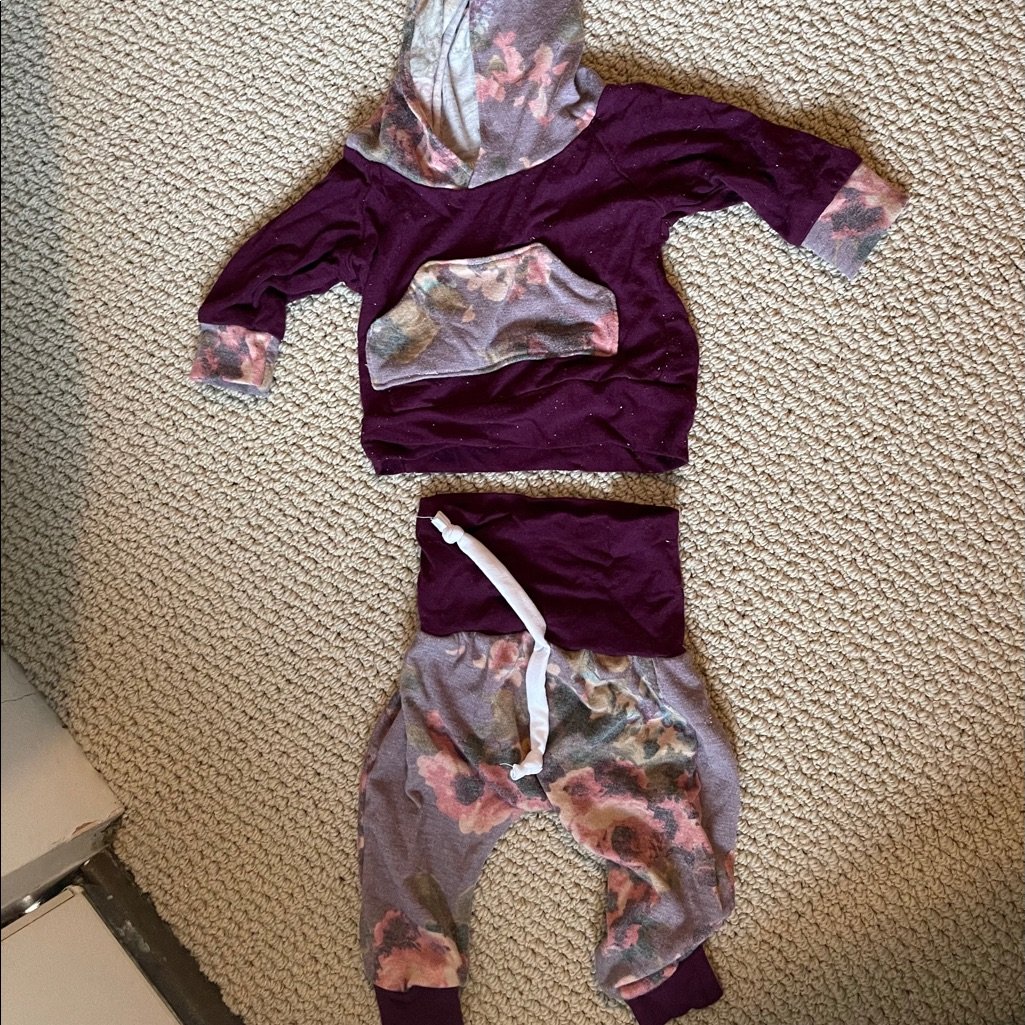
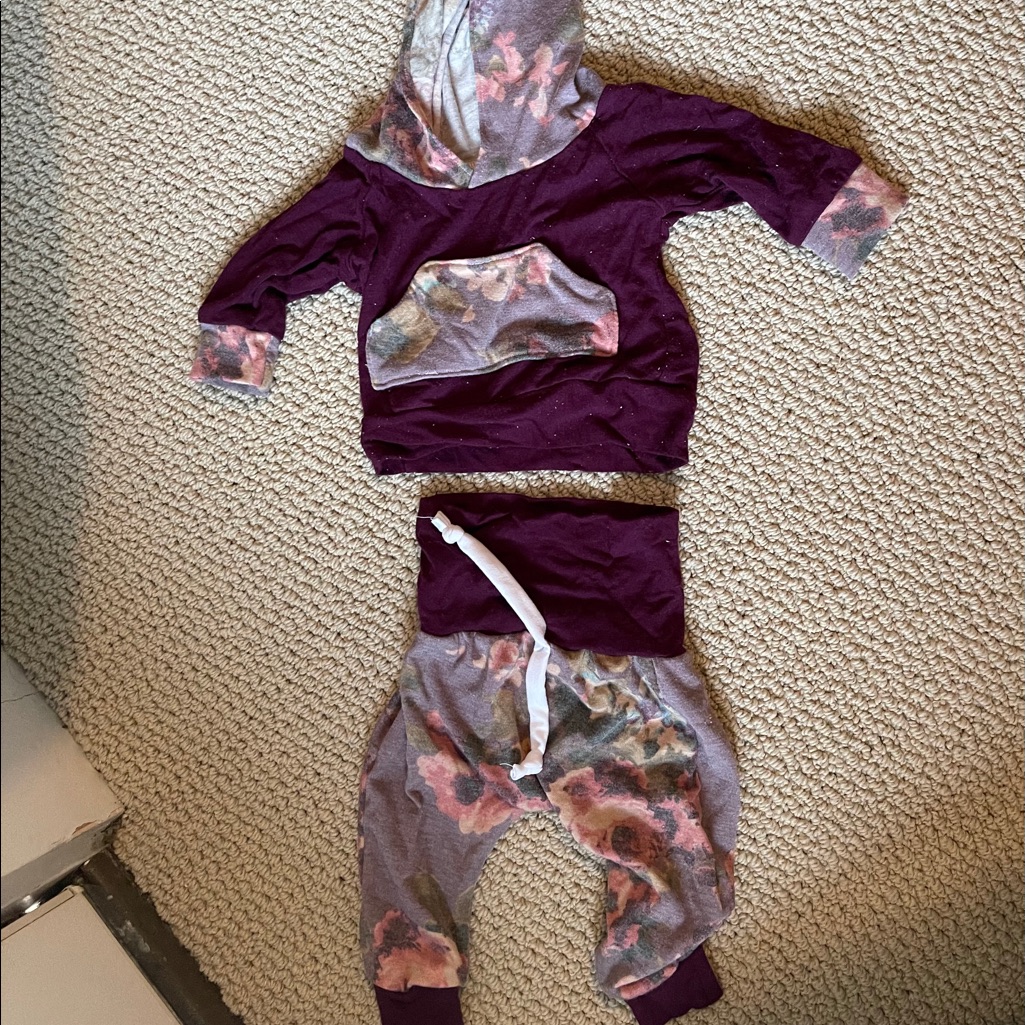
    Two Piece, Etsy Shop

    Automating your workflow can significantly impact your bottom line. While a typical beginner might see a modest profit of $200–$500 a month, a well-optimized shop using smart systems can scale into the thousands. The startup cost for these tools is surprisingly low, often starting at just $20 a month for a handful of subscriptions, making this a very beginner friendly way to scale.

    Streamlining your product listings with generative AI

    The most time-consuming part of running an Etsy shop is likely the listing process. You have the photo, you have the product, but now you need titles, tags, and descriptions that actually show up in search results. This is where Large Language Models (LLMs) become your best friend.

    Writing descriptions that sell

    Tools like ChatGPT or Claude are incredible for drafting product copy. Instead of asking them to “write a description,” give them specific details. Tell the AI the material, the dimensions, the vibe (e.g., “boho,” “minimalist,” or “dark academia”), and who the target audience is. You can feed it a list of keywords and ask it to weave them naturally into a story about the product. This helps you avoid the “robeless” feel that many AI-generated texts have.

    Mastering Etsy SEO and tags

    Etsy’s search algorithm relies heavily on your titles and tags. If you use tools like eRank or Marmaleader, you can find out what people are actually searching for. Once you have those high-volume keywords, you can use AI to brainstorm long-tail keyword variations. This ensures your listings are optimized for both humans and robots without you having to spend hours on keyword research.

    Visual automation and product photography

    High-quality photos are non-negotiable on Etsy, but setting up a professional studio setup is expensive and time-consuming. AI-driven image tools can help you create professional-grade imagery without the heavy equipment.

    • Background removal and replacement: Tools like Photoroom or Canva’s Magic Studio allow you to take a photo on your kitchen table and instantly swap the background for a clean, marble surface or a cozy lifestyle setting.
    • rumor AI Upscaling: If you have a great photo that is slightly blurry or low resolution, tools like Topaz Photo AI can sharpen the details, making your products look crisp and premium.

    • Mockup generation: If you sell digital downloads or print-on-demand items, Placeit or Midjourney can help you generate realistic mockups. This means you don’t need to physically print every design to see how it looks on a t-shirt or a poster.

    The ROI here is massive because high-quality visuals directly correlate to higher conversion rates. Spending $15 a month on a tool like Canva Pro can save you hundreds in photography costs and hours of manual editing.

    Managing customer service and shop operations

    As your order volume grows, so does the number of “Where is my package?” messages. Handling these manually can eat up your entire morning. While you should never use a bot to talk to customers—people want to feel heard by a real person—you can use AI to draft your responses.

    Create a “Snippet Library” in your email or Etsy messages using AI-generated templates. You can use ChatGPT to write polite, professional, and empathetic templates for common scenarios like shipping delays, damaged items, or custom order inquiries. When a problem arises, you simply copy, paste, and tweak the specific details. This keeps your response time low, which is a key metric for Etsy’s search ranking.

    Automating social media marketing

    An Etsy shop cannot survive on Etsy alone. You need traffic from Pinterest, Instagram, and TikTok. This is where the heavy lifting happens. You can use tools like Buffer or Later to schedule posts in advance. To create the content itself, you can use tools like Canva to turn one product photo into a week’s worth of Pinterest pins, Instagram Stories, and TikTok captions. This allows you to maintain a consistent brand presence with only about two hours of work per week.

    Budgeting for your automation toolkit

    Before you start subscribing to every new tool you see on TikTok, it is vital to plan your expenses. Here is a realistic breakdown of what a basic, automated setup might look like for a new seller:

    1. Essential SEO/Research: $10–$30/month (eRank or Marmaleader).
    2. Content & Design: $12–$15/month (Canva Pro).
    3. Writing & Copy: $0–$20/month (ChatGPT Free or Plus).
    4. Social Media Scheduling: $0–$15/month (Buffer or Later).

    Total monthly startup cost for automation: Approximately $22–$80. When you compare this to the time saved, the math almost always works in your favor.

    Common pitfalls to avoid

    Automation is a tool, not a replacement for your creativity. The biggest mistake I see sellers making is “set it and forget it.” If you purely copy and paste AI text without reading it, your shop will eventually feel generic and lose its soul. Customers come to Etsy for the human element. Use AI to handle the repetitive, boring tasks, but always perform a final human review of every listing, every message, and every social post.

    Another trap is over-automating your branding. If your brand voice is quirky and fun, but your AI-generated descriptions are stiff and formal, you will confuse your customers and hurt your brand loyalty. Keep your unique personality at the center of everything you do.

    If you are ready to stop drowning in admin work and start focusing on your craft, start small. Pick one area—maybe it’s just your product descriptions—and implement one AI tool this week. Once you see the time savings, you can expand your toolkit.

    Ready to scale your shop? Start by auditing your weekly tasks and identifying the three most repetitive things you do. That is your roadmap for what to automate next!

    Our Top Picks

    Products we recommend:

    1. How to Automate Your Life with Google Gemini – Audiobook, by Julian Brantor

    How to Automate Your Life with Google Gemini - Audiobook, by Julian Brantor

    How to Automate Your Life with Google Gemini – Audiobook, by Julian Brantor

    by Chirp Books

    $8.99

    Check Price →

    2. AI and Innovation How to Transform Your Business and Outpace the Competition with Generative AI

    AI and Innovation How to Transform Your Business and Outpace the Competition with Generative AI

    AI and Innovation How to Transform Your Business and Outpace the Competition with Generative AI

    by Knetbooks.com

    $28.96

    Check Price →

    3. How to Start a Home-based Etsy Business

    How to Start a Home-based Etsy Business

    How to Start a Home-based Etsy Business

    by Christianbook.com

    $18.24

    Check Price →