
Imagine waking up, checking your phone, and seeing three new notifications for sales you made while you were sleeping. No packing boxes, no trips to the post office, and no dealing with shipping delays. This is the reality of selling digital downloads on Etsy. Unlike physical goods, once you upload a file, it stays in your shop forever, ready to be purchased and delivered automatically.
If you have ever compared this side hustle vs traditional job, the main difference is the scalability. In a standard job, you trade hours for dollars. With digital products, you spend the time upfront to create the asset, and then you can sell it a thousand times without extra effort. It isn’t a “get rich quick” scheme, but it is a way to build a predictable stream of revenue if you pick the right products.
Low-Cost Digital Product Categories That Actually Sell
The best way to start is by looking at what people are already searching for. You don’t need to reinvent the wheel; you just need to provide a better, prettier, or more organized version of what exists.
Printable Organizers and Planners
People are obsessed with productivity. Whether it is a meal planner, a fitness tracker, or a budget worksheet, there is a massive market for organized lives. These are relatively simple to create using tools like Canva or even Google Sheets.
- Startup cost: $0 (if using free versions of Canva).
- Time investment: 2-5 hours per template.
- Potential ROI: High, because one well-designed template can sell for years.
Digital Wall Art and Decor
Interior design enthusiasts love finding unique art without the gallery price tag. You can create minimalist line art, botanical prints, or nursery themes. Using software like Adobe Illustrator or Procreate (on an iPad) allows you to create high-resolution files that look great when printed.
- Startup cost: $50-$100 (for an iPad or design software subscription).
- Time investment: Variable, depending on your artistic skill.
- Potential ROI: Moderate, but great for building a brand aesthetic.
Educational Resources for Teachers and Parents
Homeschooling is on the rise, and teachers are constantly looking for fresh classroom materials. This includes flashcards, coloring pages, or lesson plan templates. If you have a background in education, this is a goldmine.
- Startup cost: Very low.
- Time investment: High initial research time to ensure educational accuracy.
- Potential ROI: High, as seasonal trends (like back-to-school) create massive spikes in sales.
Tools to Help You Build Your Shop
You don’t need a degree in graphic design to succeed here. Most successful Etsy sellers use a specific stack of accessible tools to get the job done.
Canva is the undisputed king for beginners. It is intuitive and has thousands of elements you can use to build layouts. However, if you want to create more complex, scalable vector graphics, learning Adobe Illustrator or Affinity Designer is a smart move. For those interested in the data side, using EtsyHunt or eRank is essential. These tools allow you to see exactly what keywords people are typing into the search bar, which takes the guesswork out of your product creation.
Don’t forget about Pinterest. While Etsy has its own internal traffic, using Pinterest to pin your product mockups can drive massive amounts of external visitors to your shop for free.
Managing Your Expectations and Budget
Let’s get real about the numbers. While you might see screenshots of people making $10,000 a month, most shops start much smaller. A realistic startup cost for an Etsy shop is incredibly low—just $0.20 per listing—but you should budget at least $50 for design tools and some basic marketing.
Expect to see your first sale within the first month if you are targeting specific niches, but true “passive” income usually takes 6 to 12 months of consistent uploading to build momentum. You aren’t just making a product; you are building a library of assets. The more high-quality listings you have, the higher your chances of catching a searcher’s eye.
How to Avoid Common Mistakes
- Ignoring SEO: If you don’t use the right keywords in your titles and tags, nobody will find you.
- Low Resolution: Always ensure your files are 300 DPI. If a customer prints your art and it looks blurry, they will leave a bad review.
-
Copying others: There is a fine line between inspiration and theft. Always create your own unique designs to avoid legal trouble and to build your own brand identity.
Scaling Your Success
Once you find a product that works, don’t stop there. If your “Daily Habit Tracker” is selling well, try creating a “Weekly Goal Setter” or a “Monthly Review Sheet.” This is how you expand your shop’s footprint without having to constantly hunt for entirely new niches. You are essentially building a profitable ecosystem of related products that encourage customers to buy multiple items from you in a single transaction.
If you are ready to stop trading your time for a paycheck and start building something that works for you, now is the time to start experimenting. Pick one niche, create five high-quality listings, and see what happens.
Ready to start your Etsy journey? Grab a notebook, research three niches on eRank today, and commit to creating your first digital download this week!
Our Top Picks
Products we recommend:
1. Passive Income Investing Bundle, 2 in 1 Bundle: Passive Income Options, Passive Income Ideas
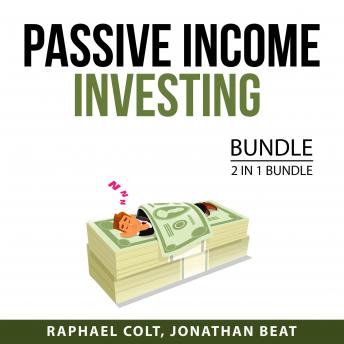
Passive Income Investing Bundle, 2 in 1 Bundle: Passive Income Options, Passive Income Ideas
by Audiobooks.com
$8.99
2. Etsy for Beginners by The Passive Income Strategist, Paperback | Indigo Chapters

Etsy for Beginners by The Passive Income Strategist, Paperback | Indigo Chapters
by Indigo Books & Music
$21.99
3. Passive Income Ideas for Beginners – Audiobook, by Timothy Willink
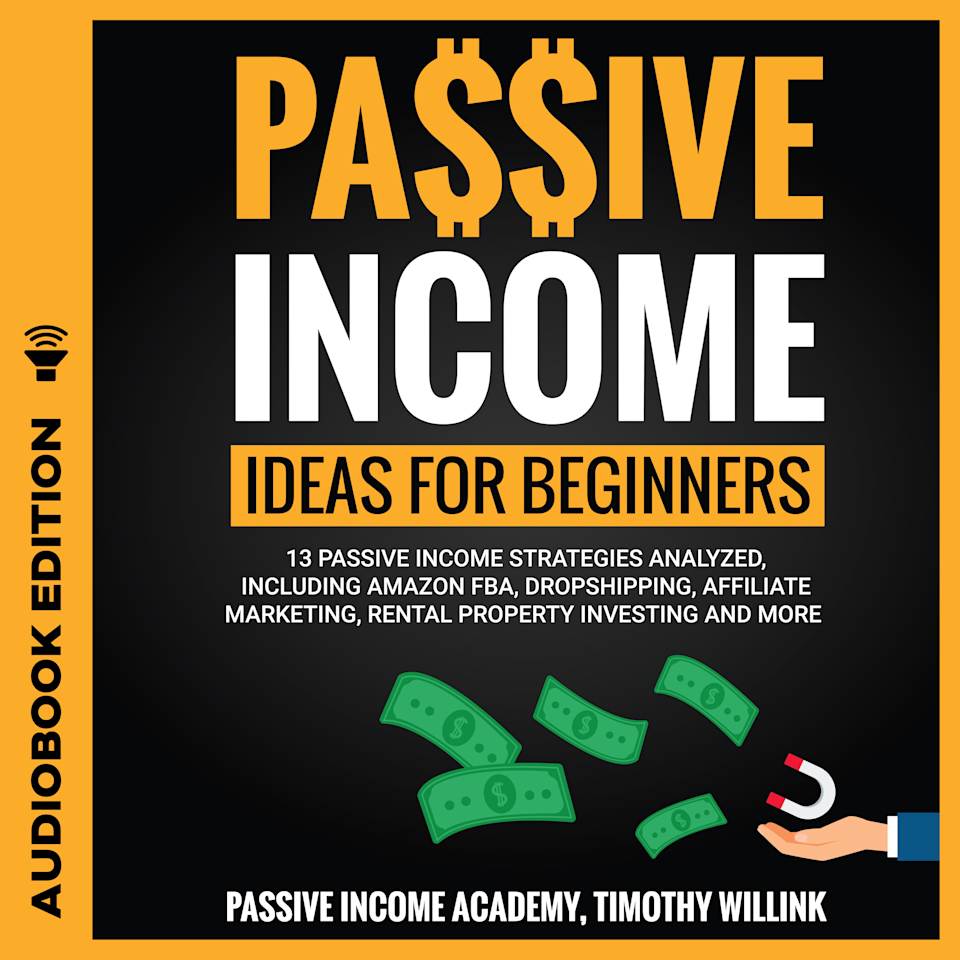
Passive Income Ideas for Beginners – Audiobook, by Timothy Willink
by Chirp Books
$13.99