Have you ever sat down with a Sudoku book or a word search pad and thought, “I could probably make something like this”? It sounds like a massive undertaking, but the truth is that a huge portion of the books you see on Amazon are created by individuals working from their kitchen tables. This is the world of KDP (Kindle Direct Publishing), and it is one of the most accessible ways to start a low-content publishing business.
Unlike writing a 300-page novel, creating puzzle books focuses on utility rather than prose. You aren’t worrying about character arcs or plot holes; you are focusing on logic, patterns, and user experience. If you have a knack for organization and a bit of patience, you can build a library of digital assets that generate passive income while you sleep.
The low-barrier entry of Amazon KDP
Amazon KDP is a print-on-demand service. This means you upload your PDF, and Amazon handles the printing, shipping, and customer service. When someone buys your book, Amazon prints a copy, takes their cut of the sale, and sends you a royalty. This setup is incredibly beginner friendly because you don’t need to hold any inventory or rent a warehouse.
Let’s talk numbers. Your initial startup cost can be as low as zero dollars if you use free tools. However, if you want to speed up the process, you might spend anywhere from $50 to $200 on software subscriptions or professional cover design. Most people see a realistic ROI after their first 5 to 10 books find their audience, though some months might be slower than others.
Estimating your time and earnings
Creating a single high-quality puzzle book—say, a 100-page Sudoku collection—might take you anywhere from 5 to 15 hours depending on your workflow. This includes researching niches, generating the puzzles, formatting the interior, and designing the cover. Once the book is live, the maintenance time is nearly zero.
Income varies wildly. Some creators make an extra $50 a month from a small hobbyist collection, while more dedicated publishers managing hundreds of titles can earn $2,000 to $5,000+ per month. It is rarely a “get rich quick” scheme; it is more of a slow-build asset business.
Choosing your puzzle niche
The biggest mistake new publishers make is trying to sell a “General Puzzle Book.” If you compete against the giants, you will lose. You need to find a specific corner of the market where people are searching but not finding enough high-quality options.
Instead of “Word Search,” think about these specific angles:
- Word Search for Seniors (with large print for easy reading)
- Cryptograms for 1980s Movie Lovers
- Sudoku for Kids Ages 6-8
- Logic Puzzles for Commuters
Use tools like Amazon’s search bar or Helium 10 to see what people are actually typing into the search box. If you see a lot of search results but the existing books have terrible covers or bad reviews, you have found a gap in the market.
The toolkit for puzzle creation
You don’t need to be a mathematician to create puzzles. There are several specialized tools that do the heavy lifting for you. Here is a breakdown of what you might need:
Puzzle Generation Software
Software like Puzzle Wiz or Book Bolt allows you to generate hundreds of puzzles in minutes. These platforms are great because they ensure your puzzles are mathematically sound and formatted correctly for printing. If you are on a budget, you can even find Python scripts or simpler generators online that output CSV or image files.
Design and Formatting
Your interior needs to be a clean PDF. Canva is a fantastic, free-to-start option for designing your book covers and even arranging your puzzle pages. For more advanced layouts, Adobe InDesign is the industry standard, but it comes with a steeper learning curve and a monthly fee.
Research Tools
To find out which keywords are profitable, consider using Publisher Rocket. It helps you see the estimated monthly revenue of specific keywords and how much competition you’ll face. It is a paid tool, but it can save you dozens of hours of wasted effort on books that no one is looking for.
Step-by-step workflow
Follow this sequence to avoid getting overwhelmed by the process:
- Market Research: Identify a niche with high demand and low-to-medium competition.
- Content Generation: Use your chosen software to create a set of unique, high-quality puzzles.
- Interior Formatting: Arrange the puzzles in a PDF. Ensure you include a “Solutions” section at the back of the book.
- Cover Design: Create a bright, readable cover that clearly communicates what is inside.
- Upload to KDP: Upload your files, choose your keywords, and set your price.
- Optimization: Once live, monitor your sales and adjust your keywords if the book isn’t getting traction.
able
Common pitfalls to avoid
One of the most frequent errors is “keyword stuffing” in your title. Amazon has strict rules about this. Don’t name your book “Sudoku Word Search Puzzle Book for Kids Fun Activity Book.” This looks like spam and can get your account flagged. Keep your title descriptive and your subtitle informative.
Another issue is quality control. Always print a test copy of your book using the “Print Preview” feature on KDP. You would be surprised how often margins are too small, causing parts of the puzzle to be cut off during the printing process. A book with cut-off content will result in 1-star reviews, which is a death sentence for a new author.
Finally, don’t ignore the importance of the “Look Inside” feature. Amazon allows customers to preview the first few pages. If your interior looks messy or unprofessional, they will click away. Treat your interior design with the same respect as your cover design.
If you are ready to stop consuming content and start creating it, pick one niche today and start researching. The best way to learn is by doing. Start small, learn the tools, and slowly build your library one book at a time.
Our Top Picks
Products we recommend:
1. Amazon Self Publisher: How to Sell More Books on Amazon

2. iPhone Millionaire: How to Create and Sell Cuttin

3. How to Sell on Amazon and Product Research: Product Research Tips and Practical Guide on How to Find a Winning Product to Sell on Amazon Fba –
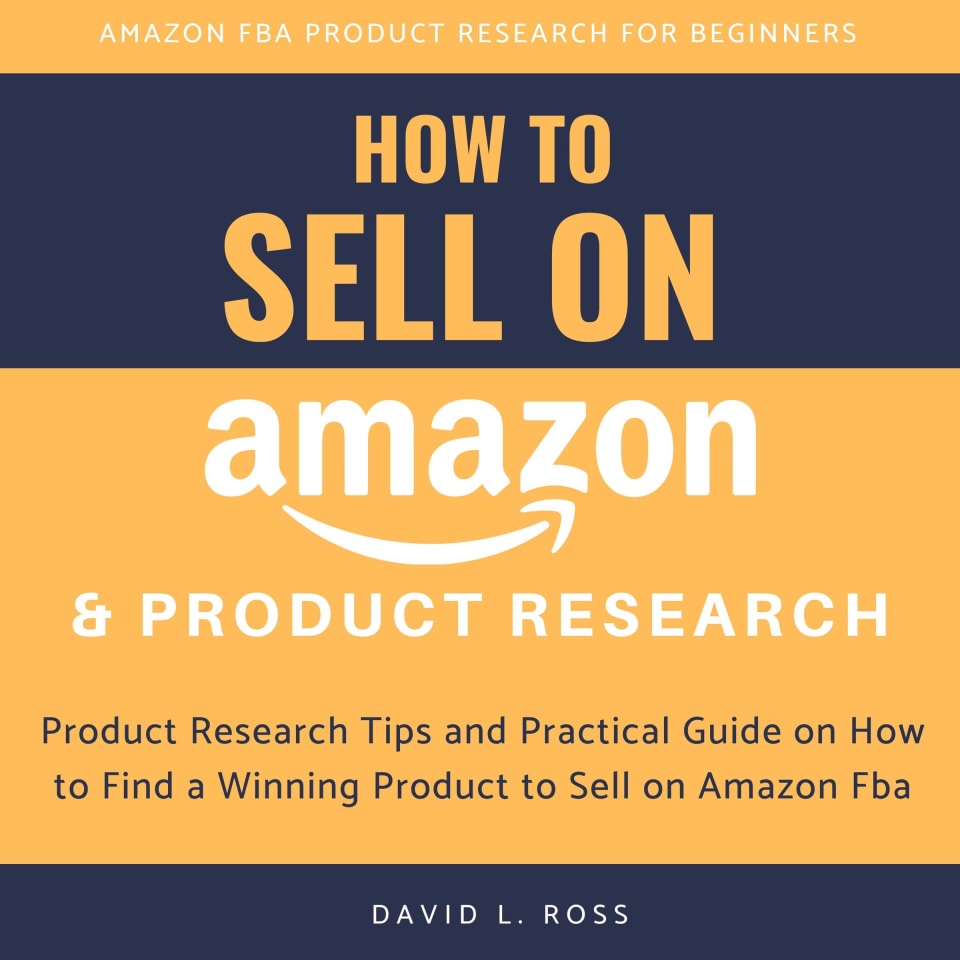
How to Sell on Amazon and Product Research: Product Research Tips and Practical Guide on How to Find a Winning Product to Sell on Amazon Fba –
by Chirp Books
$5.99