Tag: KDP

  • Best Niches For Kdp Puzzle Books In 2026

    Best Niches For Kdp Puzzle Books In 2026

    Let’s be honest: the “low-content” gold rush of 2018 is long gone. If you go onto Amazon today and search for “word search book,” you’ll see millions of results, most of them looking like they were made in five minutes by a bot. But here is the good news: the demand for high-quality, specialized puzzle books isn’t shrinking. In fact, as people look for ways to disconnect from screens, the hunger for tactile, “analog” entertainment is growing.

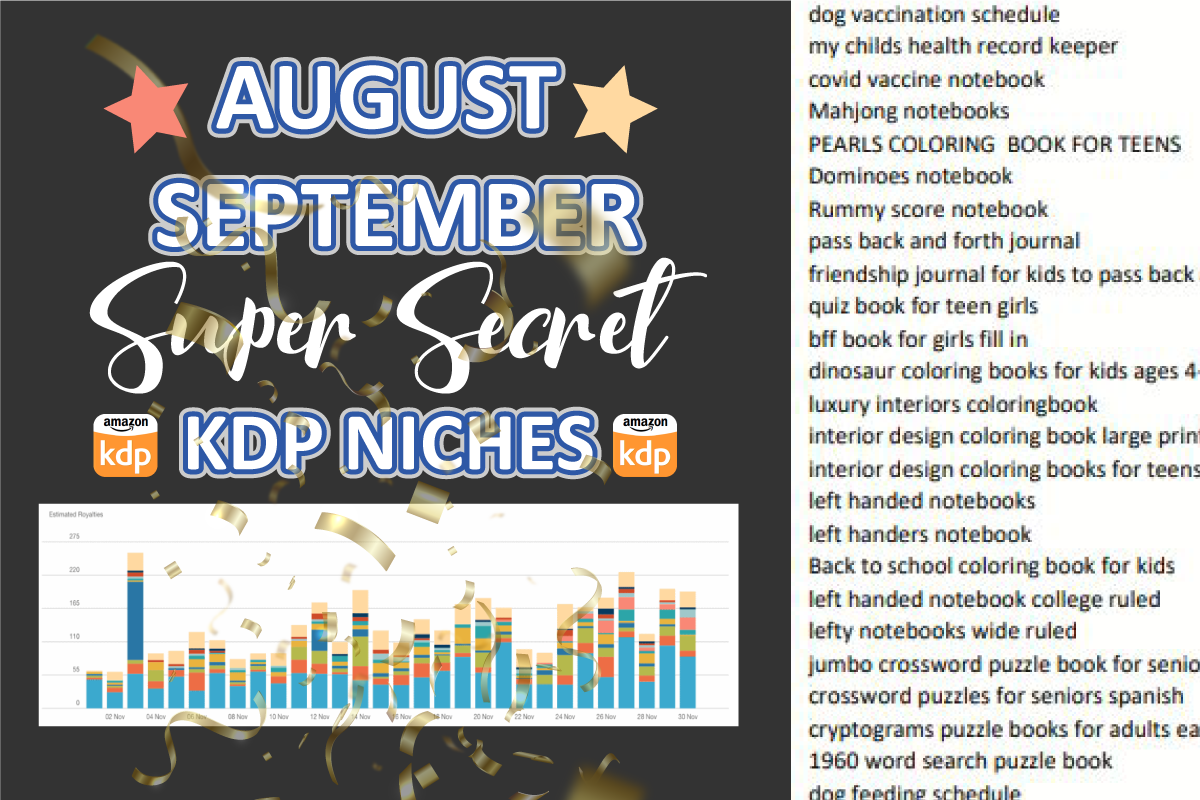
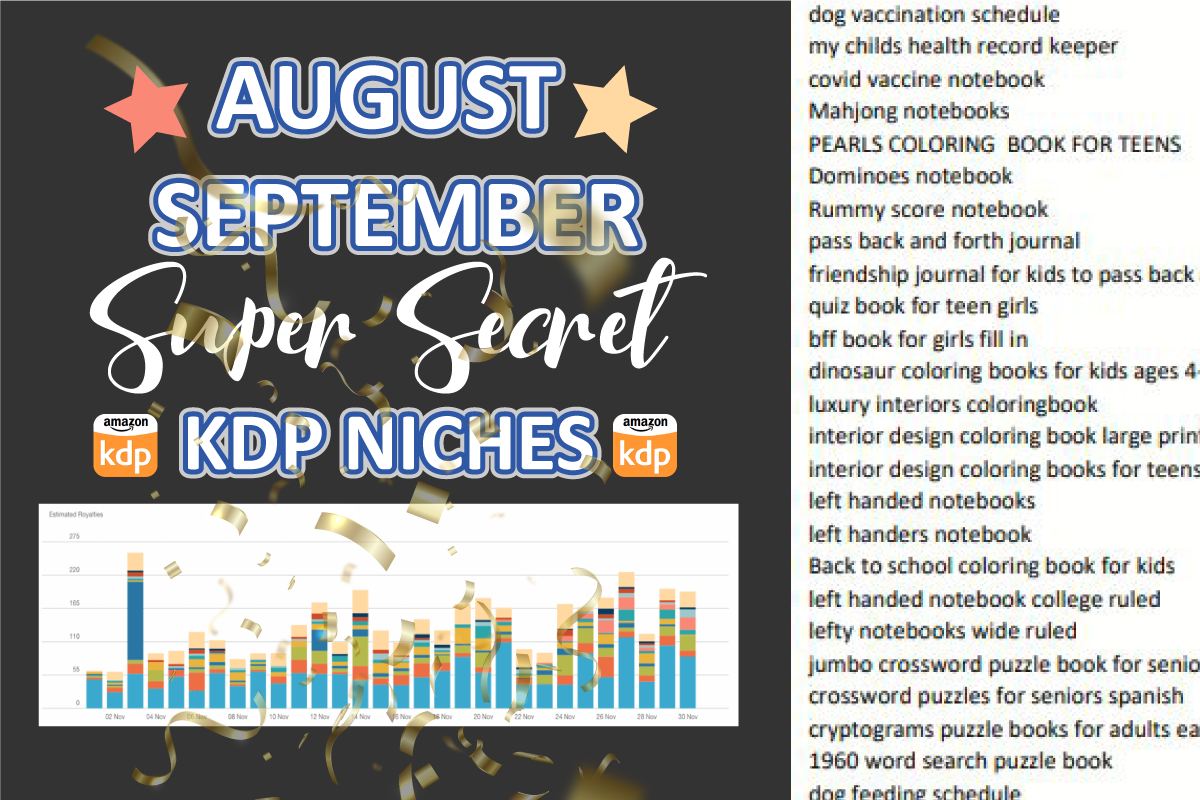
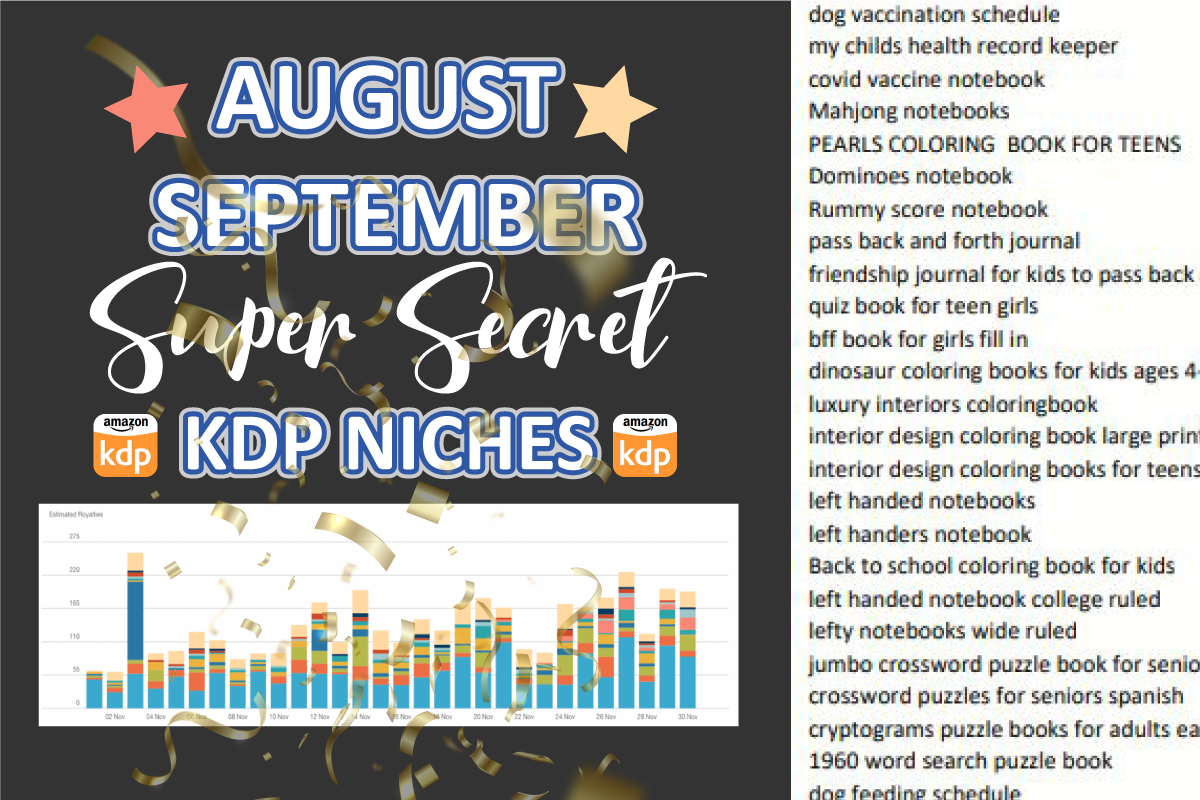
    August September Secret Kdp Niches by Elimesherstudio | Creative Market

    As we look toward 2026, the strategy for Kindle Direct Publishing (KDP) has shifted from quantity to specificity. You can no longer just throw a generic Sudoku book at the wall and hope it sticks. You need to find pockets of interest where competitors are lazy. If you are weighing this vs traditional job stability, you need to understand that success here depends on your ability to spot trends before they become saturated.

    Finding Your Edge in a Saturated Market

    The secret to surviving in KDP isn’t about finding a niche with zero competition—that niche probably has zero customers. Instead, you want to find “micro-niches.” These are specific sub-categories where enthusiasts are looking for something tailored to their unique hobbies, professions, or lifestyles. Instead of a “Brain Games Book,” think “Sudoku for Retired Nurses” or “Cryptograms for True Crime Fans.”

    < multiplier-logic>

    When you narrow your focus, your advertising costs drop because your keywords are much more precise. You aren’t bidding on expensive, broad terms; you are bidding on specific interests. This is how small creators compete with big publishing houses.

    Top Profitable Puzzle Niches for 2026

    Predicting the future is tricky, but based on current shifts in lifestyle and aging demographics, these three areas show massive potential for the next few years.

    1. The Neurodivergent & Cognitive Care Niche

    There is a massive, underserved market for puzzles designed specifically for neurodivergent brains (ADHD, Autism) or for seniors dealing with early-stage cognitive decline. These aren’t just standard puzzles; they require specific formatting. For example, larger fonts, higher contrast, and instructions that don’t overwhelm the reader. This is a high-value niche because the customers are incredibly loyal once they find a brand they trust.

    2. Hyper-Specific Hobbyist Crosswords

    People love to see their passions reflected in the content they consume. We are seeing a rise in “themed” puzzle books. Think about niches like:

    • Vintage Botany and Herbology
    • Urban Beekeeping and Permaculture
    • Retro 80s/90s Nostalgia
    • Specific breed enthusiast books (e.g., Golden Retriever lovers)

    These readers aren’t just buying a book; they are buying a way to celebrate their identity.

    3. The “Unplugged” Travel Companion

    As digital detox trends continue to grow, there is a huge opportunity for “Traveler’s Log Puzzles.” These are small-format, pocket-sized books designed specifically for long train rides, camping trips, or flight delays. The focus here is on portability and durability.

    The Financial Reality: What to Expect

    I don’t want to sugarcoat this. This isn’t a “get rich overnight” scheme. It is a real business that requires research and design skills. If you are wondering how much can you earn, the answer is highly variable. Some creators earn an extra $200 a month to cover groceries, while others running a library of 500+ high-quality books can see much higher figures.

    Let’s look at the numbers realistically:

    • Realistic Monthly Income: $50 to $2,000+ (depending on your catalog size and ad spend).
    • Startup Cost: $50 – $200. This covers your KDP account (free), a subscription to a design tool like Canva Pro or Adobe Creative Cloud, and perhaps a small budget for a specialized puzzle generator like Puzzle Wiz or Book Bolt.
    • Time Investment: 5 to 15 hours per book. This includes niche research, puzzle creation, formatting, and uploading.

    Breaking Down the Startup Cost

    You don’t need a massive budget to start. In fact, starting too big is a mistake. You can begin with just a laptop and a Canva subscription. The most significant “cost” is actually your time spent on keyword research. Using tools like Helium 10 or Publisher Rocket can give you an edge, but they come with monthly fees. If you are on a tight budget, start by manually analyzing Amazon’s “Auto-complete” feature to see what people are searching for.

    Essential Tools for Your 2026 Toolkit

    To compete in 2026, your books must look professional. If your interior looks like a messy Word document, you will get one-star reviews that kill your sales instantly. Here is what you should be using:

    1. Puzzle Generation: Tools like Book Bolt or specialized software for generating Sudoku, Word Search, and Mazes. This saves you dozens of hours of manual work.
    2. Graphic Design: Canva is the gold standard for beginners, but if you want to create truly unique covers that stand out, learning the basics of Adobe Illustrator or Affinity Designer is a massive advantage.
    3. Market Research: Publisher Rocket is the industry favorite for finding profitable keywords and seeing the estimated monthly revenue of competitors.

    Common Pitfalls to Avoid

    The biggest mistake I see new creators making is “niche jumping.” They create one book, it doesn’t sell in the first week, and they quit. KDP is a volume and testing game. You need to build a library. Another trap is ignoring the “Look Inside” feature. Amazon allows customers to preview your interior. If your puzzles are poorly formatted or the text is too small to read, you’ve lost the sale before they even hit the buy button.

    Lastly, don’t ignore the importance of quality over quantity. One incredible, well-researched book in a micro-niche will outperform fifty generic, low-effort word search books every single time.

    Ready to Start Your KDP Journey?

    The best time to start was a year ago; the second best time is today. Don’t wait until you have the “perfect” plan. Pick one small hobby you are interested in, research the competition, and try to create your first high-quality puzzle book. The learning process is where the real profit lies.

    If you found this helpful, subscribe to our newsletter for more deep dives into sustainable side hustles and digital publishing strategies.

    Our Top Picks

    Products we recommend:

    1. 3000 Best Kdp Coloring Book Niches by Elimesherstudio | Creative Market

    3000 Best Kdp Coloring Book Niches by Elimesherstudio | Creative Market

    3000 Best Kdp Coloring Book Niches by Elimesherstudio | Creative Market

    by Creative Market

    $11.00

    Check Price →

    2. Best Of The Week Sunday Crosswords: New York Magazine Crossword Puzzle Books For Adults, Crossword Puzzle Books For Adults Large P

    Best Of The Week Sunday Crosswords: New York Magazine Crossword Puzzle Books For Adults, Crossword Puzzle Books For Adults Large P

    Best Of The Week Sunday Crosswords: New York Magazine Crossword Puzzle Books For Adults, Crossword Puzzle Books For Adults Large P

    by Indigo Books & Music

    $9.50

    Check Price →

    3. Best Books for Teens

    Best Books for Teens

    Best Books for Teens

    by Knetbooks.com

    $155.93

    Check Price →

  • Kdp Low Content Book Ideas That Sell

    Kdp Low Content Book Ideas That Sell

    Ever sat there scrolling through Amazon, looking at all those notebooks, planners, and journals, and thought, “I could probably make one of those”? It’s a tempting thought, especially when you start looking at the potential of Amazon KDP (Kindle Direct Publishing) as a way to build a side income. Unlike a traditional job where you trade hours for a fixed paycheck, KDP allows you to create an asset once and potentially earn royalties every time someone clicks “buy” for months or even years.

    But here is the reality check: you can’t just upload a blank notebook with a pretty cover and expect to retire by next summer. The market is crowded. To actually see results, you need to move away from generic “composition notebooks” and find specific niches where people are actively looking for a solution to a problem. If you want to know how much can you earn, the answer depends entirely on your ability to find these underserved pockets of the market.

    The Real Numbers: What to Expect Before You Start

    Before we get into the specific ideas, let’s talk about the logistics. Many people view this as a “get rich quick” scheme, but it is more of a “slowly build a digital library” project. When comparing this vs traditional job structures, the upside is unlimited, but the downside is that there is no guaranteed hourly wage.

    Your startup cost is incredibly low. If you already have a laptop and an internet connection, you are essentially ready to go. You might spend $0 to $50 a month on tools like Canva Pro or specialized research software. Your time investment is the real currency here. A single, well-researched book might take you anywhere from 3 to 10 hours to design, format, and upload.

    As for income, it varies wildly. I have seen creators making an extra $50 a month from a single hobbyist journal, while others managing a portfolio of 500+ books earn several thousand dollars monthly. It is a volume and niche game.

    High-Potential Low Content Niches

    To succeed, you need to stop thinking about “books” and start thinking about “utilities.” People buy low-content books to track something, organize something, or express something. Here are a few areas that currently show strong demand.

    1. Specialized Logbooks

    Generic logs are dead. However, highly specific logs are thriving. Think about people with very particular hobbies or medical needs. Instead of a “Fitness Log,” try a “Weightlifting Progress Tracker for Powerlifters” or a “Blood Sugar and Carb Counter for Type 2 Diabetics.”

    • Beekeeping Logbooks: Tracking hive inspections and honey yields.
    • Bird Watching Journals: Space for species, date, and location.
    • Small Business Expense Trackers: Simple ledgers for Etsy or eBay sellers.
    • Plant Care Journals: For the growing community of indoor plant enthusiasts.

    2. Niche Activity Books

    While “low content” usually implies minimal text, adding a bit of “medium content” (like puzzles or prompts) can significantly increase your value. This requires more work, but the competition is often lower because it’s harder to produce.

    You can use tools like Creative Fabrica to find pre-made puzzle elements or Book Bolt to help with the layout. A “Sudoku Book for Seniors” or a “Word Search for Marine Biology Lovers” targets a specific person with a specific interest.

    3. Guided Prompt Journals

    A blank journal is hard to sell because the customer has to do all the work. A guided journal does the heavy lifting for them. You provide the questions, and they provide the answers. This is a great way to tap into the self-help and mindfulness markets.

    Ideas include:

    • Gratitude Journals for Busy Moms: Short, 2-minute daily prompts.
    • Shadow Work Journals: Deep, psychological prompts for self-reflection.
    • Manifestation Diaries: Focused on goal setting and visualization.

    Essential Tools for Your Toolkit

    You don’t need to be a graphic designer to do this, but you do need the right software. Using professional-looking tools will separate you from the amateurs who are flooding the store with messy designs.

    For interior design and covers, Canva is the gold standard for beginners. It is intuitive and has a massive library of elements. If you want to get more serious about the technical side, Adobe Illustrator allows for much more precise vector work, which is great for high-quality printing.

    For market research, you cannot fly blind. You need to see what people are searching for. Publisher Rocket is a fantastic tool for this. It shows you actual Amazon search volume and how much competitors are making. This prevents you from wasting 10 hours creating a book that nobody is actually looking for.

    A Simple Workflow to Avoid Burnout

    The biggest mistake new creators make is trying to publish 100 books in one week. You will burn out, and the quality will suffer. Instead, follow this repeatable process:

    1. Identify a Micro-Niche: Don’t just pick “Gardening.” Pick “Succulent Care Tracking.”
    2. Analyze Competition: Look at the top 10 books in that niche. Read their 1-star reviews. What are they missing? Did they forget to include a section for watering dates? That gap is your opportunity.
    3. Create the Interior: Focus on functionality first. Make sure there is enough room for people to write.
    4. Design a Standout Cover: The cover is your only marketing tool on the Amazon search page. It must look professional and clearly communicate what is inside.
    5. Optimize Your Metadata: Use relevant keywords in your title and backend keywords so Amazon knows who to show your book to.

    If you stay consistent and focus on quality over sheer quantity, you can build a steady stream of passive royalties. It won’t happen overnight, but the effort you put in today stays on the Amazon servers forever.

    Ready to start your publishing journey? Pick one niche from the list above, grab a free Canva account, and try to design your first interior today. The hardest part is simply hitting the “publish” button for the first time.

    Our Top Picks

    Products we recommend:

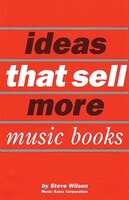
    1. Ideas That Sell More Music Books

    Ideas That Sell More Music Books

    Ideas That Sell More Music Books

    by Indigo Books & Music

    $6.50

    Check Price →

    2. Book Proposals That Sell

    Book Proposals That Sell

    Book Proposals That Sell

    by Knetbooks.com

    $19.86

    Check Price →

    3. Book Proposals That Sell

    Book Proposals That Sell

    Book Proposals That Sell

    by eCampus.com

    $9.99

    Check Price →