Ever scrolled through Etsy or Amazon, seen a simple mug with a witty phrase, and thought, “I could have made that”? You’re right. You could. But the real question isn’t whether you can make a design; it’s whether anyone will actually pull out their credit card to buy it.
The Print on Demand (POD) mug market is incredibly crowded. If you just upload random clip art or generic “Coffee Lover” quotes, you’ll likely see zero sales. To make this work, you need to move away from broad ideas and start looking for specific, passionate micro-niches. I’ve spent plenty of time analyzing what moves the needle, and I want to share what actually works when you’re trying to build a real income stream.
The reality of the mug business: numbers and expectations
Before we talk about design, let’s get real about the math. Many people ask, how much can you earn from selling mugs? The truth is, you aren’t going to get rich overnight. Most successful part-time sellers see anywhere from $50 to $500 in monthly profit. If you treat it like a massive brand and scale your catalog to thousands of designs, you might see much higher numbers.
When comparing this vs traditional job stability, keep in mind that POD is a volume game. Your profit per mug is usually between $3 and $able $6 after paying the supplier (like Printful or Printify) and platform fees. To make $1,000 a month, you need to sell roughly 200 to 300 mugs.
- Startup Costs: Very low. You can start with $0 if you use Canva (free version) and organic traffic, though $50-$100 for a Canva Pro subscription or some premium fonts is a smart initial investment.
- Time Investment: Expect to spend 5-10 hours a week on research and design if you’re starting from scratch.
- Potential ROI: High, because you aren’t buying inventory upfront. Your only real risk is your time.
Finding niches that people actually care about
Generic designs are dead. To sell, you need to target people who have an identity they are proud to display. Think about hobbies, professions, or very specific life stages. When a person sees a mug that perfectly describes their specific job or a weirdly specific hobby, that’s when the impulse buy happens.
The power of hyper-specific professions
Instead of “Nurse Life,” try something much more granular. Think about “Night Shift Oncology Nurse” or “Radiology Tech.” These people have a unique sense of camaraderie and shared struggle. When a design speaks to the specific exhaustion or pride of a specific role, it becomes a giftable item.
Hobbyist sub-cultures
Generic “Gardening” is too broad. Look for “Succulent Obsessed” or “Urban Indoor Jungle Enthusiast.” The more specific the terminology, the better. Use tools like Google Trends or the Etsy search bar to see what specific terms people are typing in. If you see a spike in “Pickleball” related searches, that is your cue to start designing.
Seasonal and milestone moments
Mugs are the ultimate gift. Design for moments that are coming up. This includes retirement, new promotions, or even specific “First Day of School” themes for teachers. These designs have a natural expiration date, so you need to stay ahead of the calendar by at least two months.
Design strategies that convert browsers into buyers
You don’t need to be a master illustrator to succeed. In fact, some of the best-selling mugs are purely typographic. The layout and font choice do all the heavy lifting.
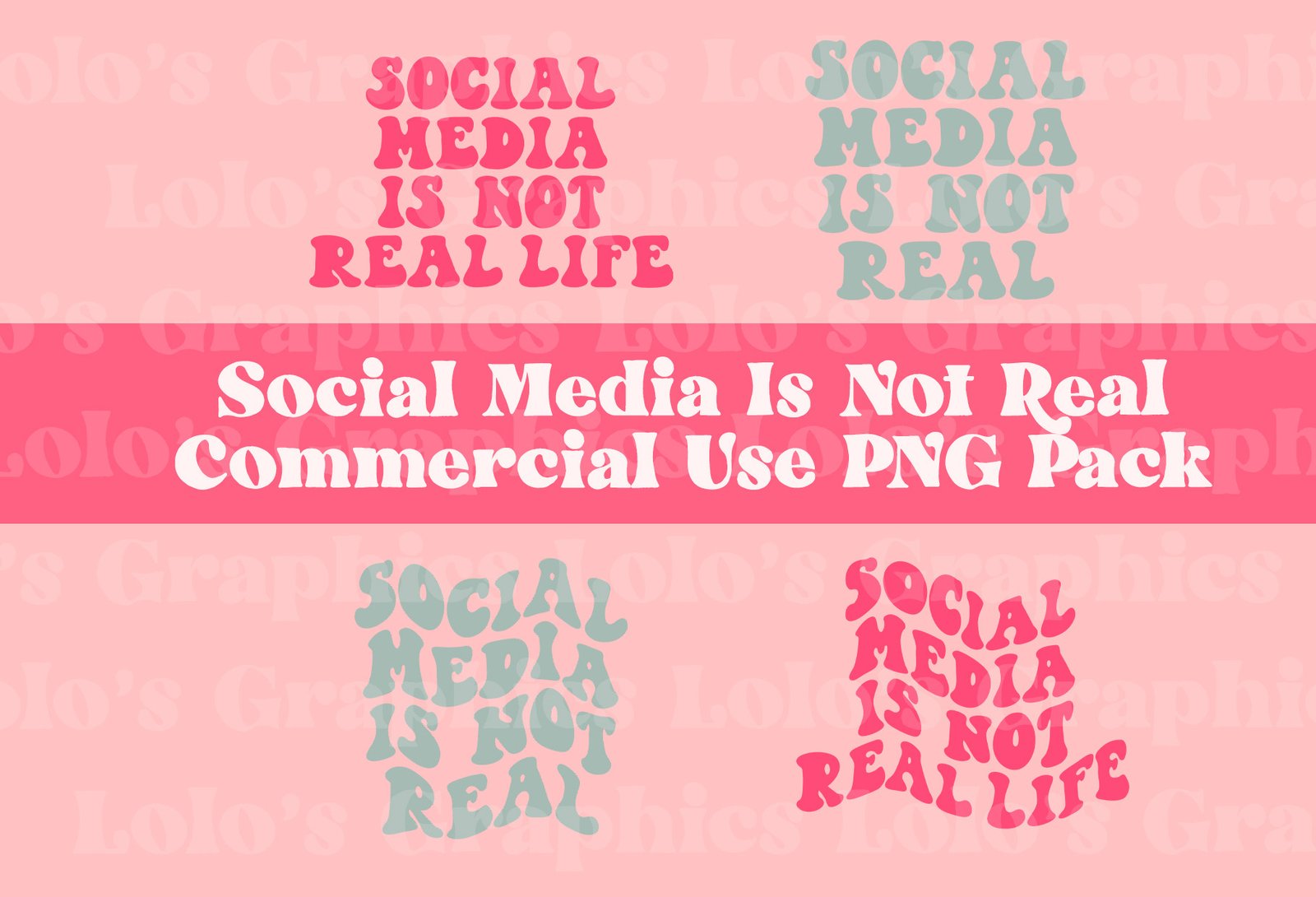
Typography-heavy designs work because they are easy to read even in a tiny thumbnail on a mobile screen. Use bold, readable fonts for the “punchline” and perhaps a script font for the decorative elements. Avoid overly thin fonts that disappear when printed on a ceramic surface.
Minimalism is your friend here. A clean, white mug with black, crisp text often performs better than a cluttered design with too many colors. If you use graphics, ensure they are high-resolution (300 DPI) so the print doesn’t look blurry or cheap. You can use tools like Kittl or Canva to find high-quality elements that look professional without requiring a degree in graphic design.
Where to sell: Etsy vs. Amazon vs. Your Own Store
Deciding on a platform is a huge part of your strategy. Each has a different way of generating traffic.
- Etsy: This is the gold standard for beginners. The customers are already there looking for unique gifts. You don’t need to drive all the traffic yourself, but you do have to master Etsy SEO (Search Engine Optimization).
- Amazon Merch on Demand: This is a massive marketplace. If your design gets picked up, the scale is incredible. However, getting accepted into the program can be difficult, and you have less control over your brand.
- Shopify: This is for the long game. You own the customer data and the brand, but you are responsible for every single visitor. This is much harder to start but offers the highest ROI once you have a loyal following.
Common mistakes to avoid
The biggest mistake I see is “copyright infringement.” Do not use Disney characters, Marvel quotes, or even famous song lyrics. Platforms like Etsy will shut your shop down faster than you can say “copyright strike.” Stick to original phrases or common idioms that are in the public domain.
Another mistake is neglecting your mockups. If you use the standard, boring white-background mockup provided by the printer, your listing will look like every other low-effort shop. Use tools like Placeit to create lifestyle mockups—showing a person actually holding a steaming mug in a cozy kitchen. This helps the customer visualize the product in their own life.
Finally, don’t get stuck in “design paralysis.” You can spend months perfecting one design that never sells. It is much better to launch 50 decent designs and let the market tell you which ones are winners. Use the data from your early sales to decide what to make next.
Ready to stop scrolling and start creating? Pick one niche today—just one—and create five different typographic designs for it. The hardest part is simply hitting the upload button.
Our Top Picks
Products we recommend:
1. Did That Actually Happen?

2. Did That Actually Happen?

3. Labels that Sell Goods Painting Print