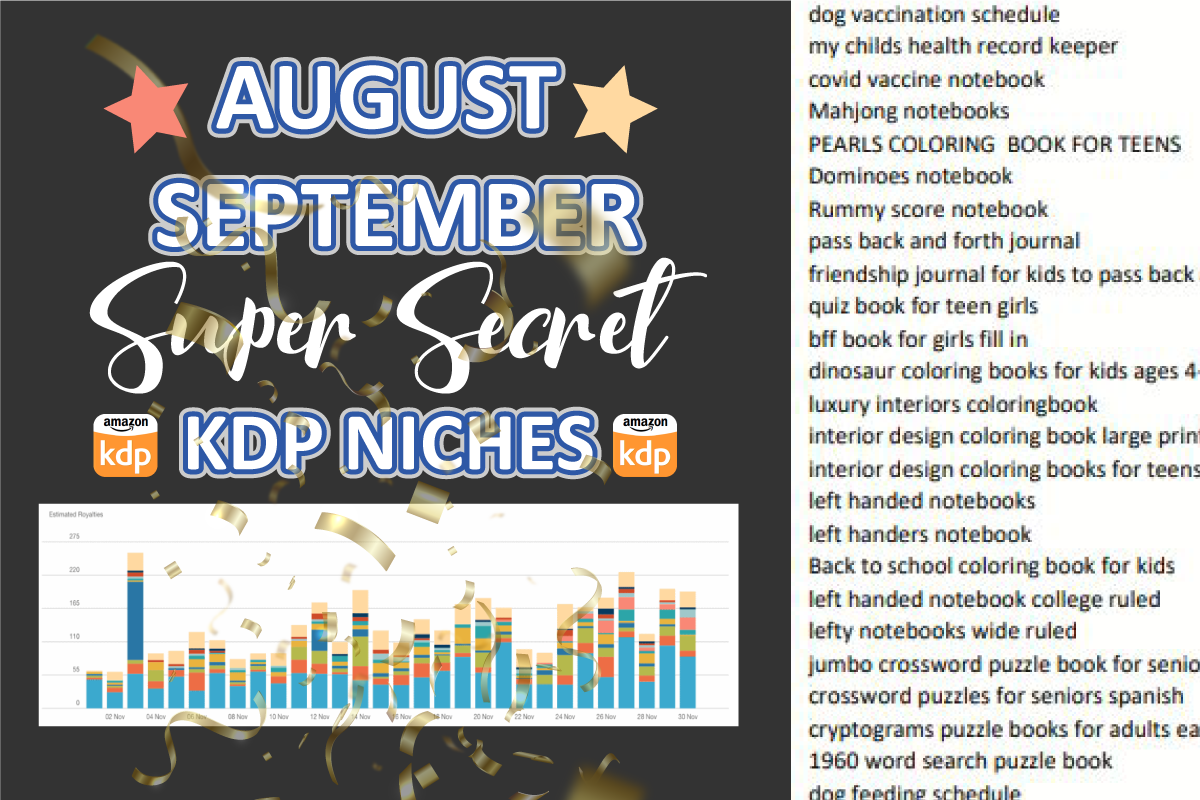
If you’ve been hanging around the KDP community for a while, you know the old advice: “Just make a generic word search and upload it.” We both know that doesn’t work anymore. The Amazon marketplace is way too crowded for generic content. As we look toward 2026, the strategy has to shift from volume to specificity. You can’t just throw spaghetti at the wall; you need to find the pockets of demand where people are actually looking to spend money.
I’ve spent a lot of time analyzing trends in low-content publishing, and the most successful creators are moving away from “all ages” books and toward hyper-niche hobbyist groups. This isn’t about finding a gold mine; it’s about finding a small, dedicated stream of customers that others are overlooking. If you are looking for a beginner friendly way to start a side hustle, puzzle books are still one of the best entry points because the production barrier is so low.
The Landscape of KDP in 202 and Beyond
The competition is higher than it was three years ago, but the quality of tools available to us has skyrocketed. We aren’t just manually typing out words anymore. With the rise of AI-assisted design and specialized puzzle generators, the “work” has shifted from creation to curation and research. To see a real ROI, you have to treat your KDP account like a real publishing house, not a hobby.
When comparing this to a traditional job, the upside is the scalability. You don’t trade hours for dollars in the same way. Once a book is live, it stays live. However, the downside is the lack of a guaranteed paycheck. You need a strategy that focuses on evergreen niches—topics that people will still be searching for in 2027, 2028, and beyond.
Top Profitable Puzzle Niches for 2026
Finding the right niche requires a balance of high demand and manageable competition. Here are the areas I’m watching closely for the upcoming year.
Hyper-Specific Hobbyist Word Searches
Generic word searches are dead. Instead, think about specific sub-cultures. We are talking about “Succulent Care Enthusiasts,” “Vintage Sewing Machine Collectors,” or “Amateur Beekeeping.” These people have deep passions and love seeing their interests reflected in physical media. When you target a hobby, your Amazon Advertising (AMS) becomes much cheaper because your keywords are so specific.
Neurodivergent-Friendly Activity Books
There is a massive, underserved market for puzzles designed specifically for ADHD or Autistic brains. This means puzzles with clear instructions, high-contrast layouts, and perhaps “dopamine-friendly” reward systems (like progress trackers within the book). This requires more design effort, but the loyalty of this audience is incredibly high.
The “Senior Brain Health” Segment
As the global population ages, the demand for cognitive stimulation is skyrocketing. However, don’t just make a “Large Print Sudoku.” Make “Sudoku for Gardeners” or “Logic Puzzles for History Buffs.” The goal is to combine cognitive difficulty with a comforting, familiar theme. This niche is less about the puzzle itself and more about the aesthetic and accessibility of the book.
Nostalgia-Driven Cryptograms
Nostalgia is a powerful buying trigger. Puzzles that use themes from the 1970s, 80s, or 90s—ranging from retro pop culture to vintage advertisements—are gold mines. People buy these not just to solve them, but as a way to reconnect with a specific era.
What to Expect: Costs, Time, and Earnings
Let’s get real about the numbers. I don’t want you to think this is “passive income” that requires zero effort. It is active work that eventually becomes passive.
- Startup Costs: If you are smart, you can start with under $100. Your main expenses will be a subscription to a tool like Canva Pro for design and perhaps a specialized puzzle generator like Puzzle Wiz or Book Bolt.
- Time Investment: Expect to spend about 5 to 10 hours per book if you are doing high-quality, themed content. This includes keyword research using tools like Helium 10 or Publisher Rocket, designing the interior, and creating a professional cover.
- Realistic Income: This varies wildly. A single “hit” book in a great niche can bring in $200–$500 a month. A library of 50 high-quality, niche books can realistically generate $1,000–$3,000 monthly. It is rarely an overnight success.
Essential Tools for Your 2026 Toolkit
To compete in 2026, you need to use the right tech. Relying on manual creation is a recipe for burnout.
- Research: Publisher Rocket is still the gold standard for finding much-needed keyword data and seeing estimated monthly revenues for competitors.
- Creation: Book Bolt is a fantastic all-in-one solution for those who want to manage the entire process from idea to upload.
- Design: Canva remains the most accessible tool for cover design, but don’t be afraid to learn the basics of Adobe Express for more complex layouts.
- Quality Control: Always use a PDF checker to ensure your margins and bleed settings are correct before uploading to KDP.
Success in KDP isn’t about being the person who uploads the most books; it’s about being the person who uploads the most valuable books. If you focus on solving a problem—like providing boredom relief for a specific hobbyist—the sales will follow. Stop looking for shortcuts and start looking for niches.
Are you ready to start your first niche research session? Pick one hobby you know well and see if there is a gap in the current Amazon listings. That is your first step toward building a real publishing brand.
Our Top Picks
Products we recommend:
1. 3000 Best Kdp Coloring Book Niches by Elimesherstudio | Creative Market
3000 Best Kdp Coloring Book Niches by Elimesherstudio | Creative Market
by Creative Market
$11.00
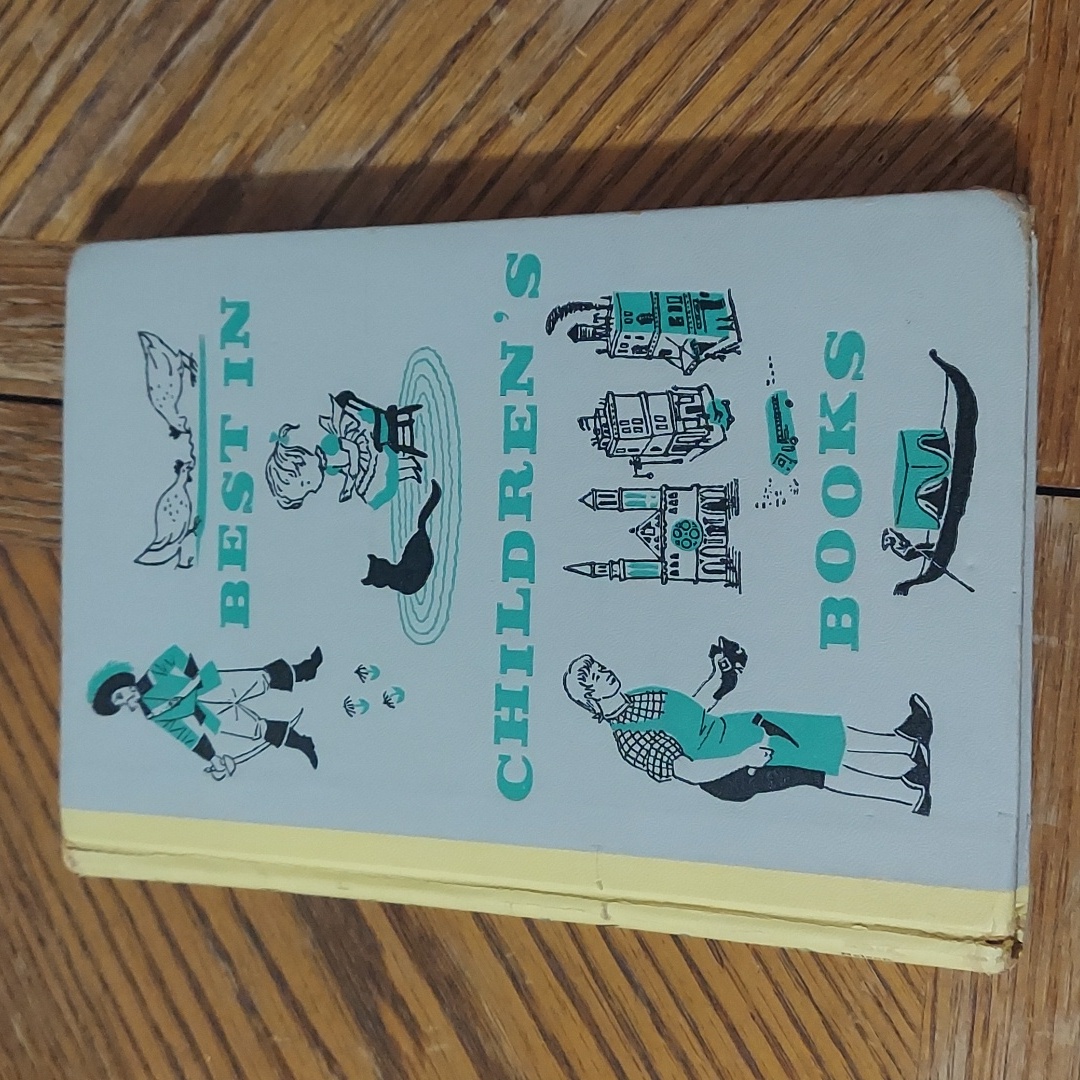
2. Best In Children’s Books
3. Best Books for Teens