Tag: ecommerce tips

  • Print On Demand Mug Designs That Actually Sell

    Print On Demand Mug Designs That Actually Sell

    You’ve probably seen the ads. Someone sitting on a beach, sipping a latte, claiming they made five figures last month just by uploading a few pictures of cats to a website. It sounds great, but if you’ve actually tried opening a Print on Demand (POD) shop, you know the reality is much more frustrating. You upload a design, wait three weeks, and… nothing. No sales, no notifications, just silence.

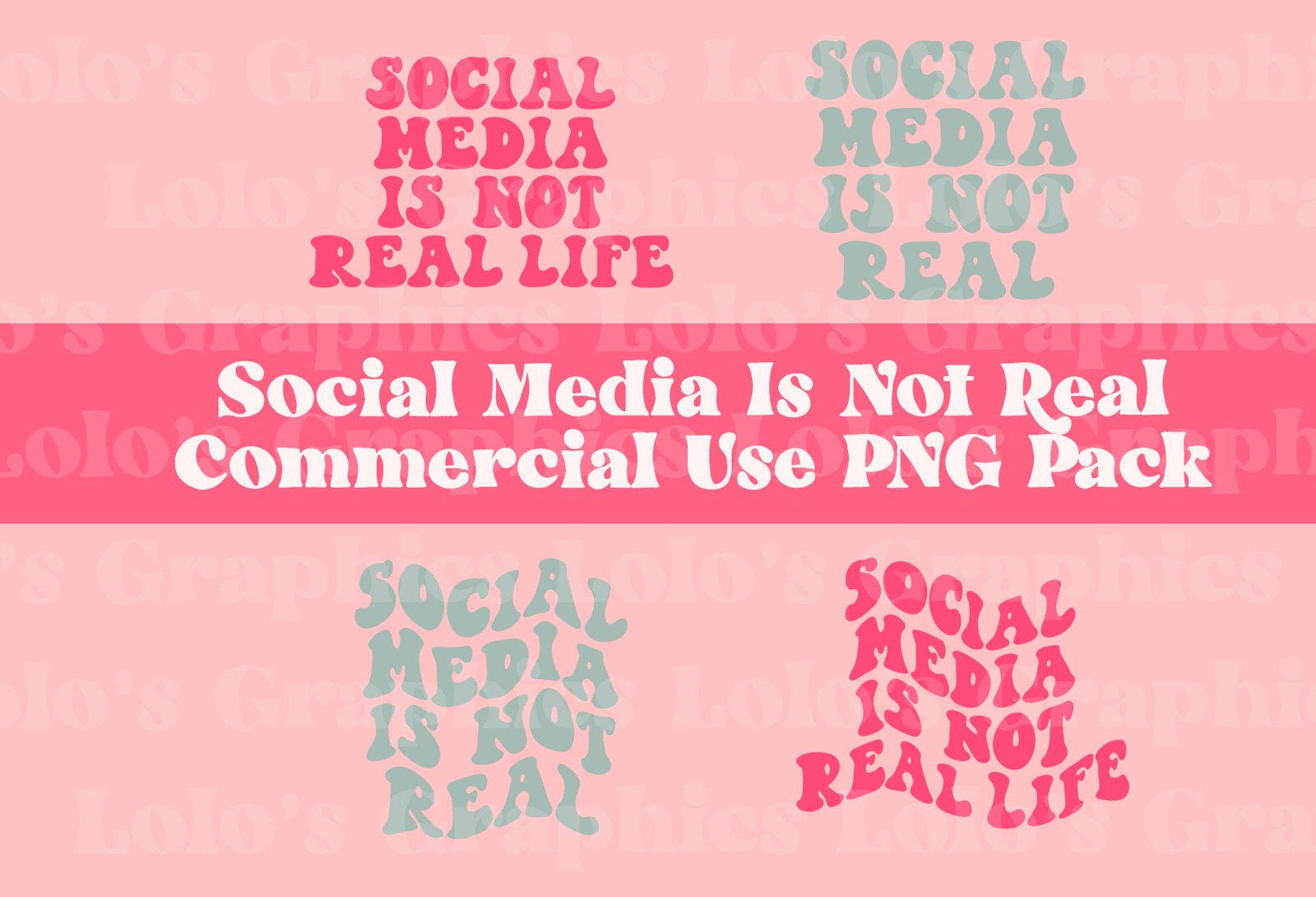
    Print On Demand T-Shirt Designs Png by Cotswold Co Designs | Creative Market

    The truth is, you can’t just put a random clip-art flower on a white mug and expect people to reach for their credit cards. Mugs are a “commodity” product. People don’t buy them because they need a vessel for caffeine; they buy them because the design says something about their identity, their job, or their sense of humor. To make a profit, you have really need to stop designing for yourself and start designing for specific, passionate groups of people.

    Finding the Sweet Spot Between Passion and Profit

    The biggest mistake beginners make is choosing a niche that is too broad. If you target “dog lovers,” you are competing with millions of other sellers. You’ll get lost in the noise. Instead, you need to go deeper. Think about “Golden Retriever owners who love gardening” or “Software engineers who drink way too much espresso.”

    When you narrow your focus, your marketing becomes much easier. You know exactly what language to use and what jokes will land. This specificity is what drives a high ROI on the time you spend designing. While a broad niche might have more total customers, a micro-niche has much less competition, making it much easier to rank in search results on platforms like Etsy or Amazon Merch on Demand.

    Profitable Niche Categories to Explore

    • Hyper-Specific Professions: Think beyond “Nurse.” Try “Night Shift ICU Nurse” or “Pediatric Dental Hygienist.” These people take immense pride in their specific roles.
    • Relatable Hobbyist Groups: Instead of “Gardening,” try “Succulent Obsessed” or “Urban Beekeeping.”

    • Life Milestones and Identity: New grandmothers, recent graduates, or people entering their “Era” of something (a huge trend right now).
    • Pet Personalities: Focus on specific breeds or even funny behaviors, like “Anxious Greyhound Owner.”

    Design Styles That Convert

    You don’t need to be a master illustrator to succeed. In fact, some of the best-selling mugs use very simple typography. If you can pick a clean, readable font and pair it with a witty phrase, you’re already halfway there. However, there are a few specific aesthetics that consistently perform well in the POD space.

    Minimalist typography is a huge winner because it looks clean and expensive. A simple, elegant serif font with a short, punchy quote works perfectly for the “aesthetic” crowd on Instagram and Pinterest. On the flip side, “Retro Groovy” designs—think 70s bubble letters and muted earth tones—are incredibly popular right now and are quite beginner friendly to create using tools like Canva or Kittl.

    Three Design Approaches for Non-Artists

    1. The Typography-Only Approach: Focus entirely on the wit. If the joke is funny enough, the font doesn’t need to be complex. Use Canva to experiment with font pairings.
    2. The Retro/Vintage Vibe: Use distressed textures and warm color palettes. This style hides imperfections well and feels “trendy.”
    3. The Icon-Based Design: Use a single, well-placed vector icon (like a tiny coffee bean or a small paw print) paired with a short phrase. This keeps the design from looking cluttered.
    4. The Business Reality: Costs, Time, and Earnings

      Let’s talk numbers, because this is where most people get discouraged. Comparing a POD side hustle vs traditional job requires a bit of nuance. You won’t get a steady paycheck every Friday, but you also don’t have a boss or a commute.

      Startup Costs: One of the best parts about this model is that the barrier to entry is incredibly low. You can start with $0 if you use free versions of design tools and organic traffic. However, if you want to do it professionally, expect to spend about $50–$100 on a subscription to a tool like Kittl or Canva Pro, and perhaps a small budget for Etsy listing fees ($0.20 per item).

      Time Investment: This is not “passive” income at the start. You will spend hours researching keywords, testing designs, and uploading products. A realistic expectation is 5–10 hours a week to build a library of at least 50–100 high-quality designs before you see consistent movement.

      Realistic Income: Don’t expect to quit your day job in month one. Most successful mug sellers see anywhere from $50 to $500 in monthly profit during their first year. As your catalog grows and you find “winners,” it’s common to see that scale into much higher numbers. The key is the volume of quality designs and the ability to spot trends early.

      Tools of the Trade

      To compete with professional sellers, you need a reliable toolkit. You don’t need Photoshop, but you do need something better than MS Paint.

      • Canva: Great for quick layouts and accessing a massive library of elements.
      • Kittl: Specifically built for much more advanced, professional-looking typography and vintage textures. It’s a favorite for POD creators.
      • Printful or Printify: These are your fulfillment partners. They handle the printing and shipping. Printify is often preferred for mugs because of their wide range of suppliers.
      • Etsy/Amazon: Your storefronts. Amazon Merch on Demand is great because they handle the traffic, but Etsy allows you to build a brand and a customer list.

      How to Avoid the “Dead Design” Trap

      The biggest killer of POD shops is “design fatigue”—uploading things that look like everyone else’s. To avoid this, always look at the reviews of your competitors. What are people complaining about? Are the quotes too cliché? Is the design too busy? Use those complaints to inform your next creation.

      Always check for trademarks. There is nothing more heartbreaking than having a great design, seeing a sale, and then getting your entire shop shut down because you used a trademarked phrase like “Disney Mom.” Use tools like USPTO or even simple Google searches to ensure your phrases are safe to use.

      If you’re ready to stop scrolling and start building, pick one niche today. Don’t try to conquer the whole world; just try to make one mug that a specific type of person would be proud to hold while they drink their morning coffee. The consistency will follow the passion.

      Ready to start your design journey? Pick a niche, open a free Canva account, and try creating your first five typographic designs this weekend!

      Our Top Picks

      Products we recommend:

      1. Did That Actually Happen?

      Did That Actually Happen?

      Did That Actually Happen?

      by Knetbooks.com

      $11.54

      Check Price →

      2. Labels that Sell Goods Painting Print
      Labels that Sell Goods Painting Print

      Labels that Sell Goods Painting Print

      by Wayfair North America

      $519.99

      Check Price →

      3. Wrendale Designs That Friday Feeling Mug
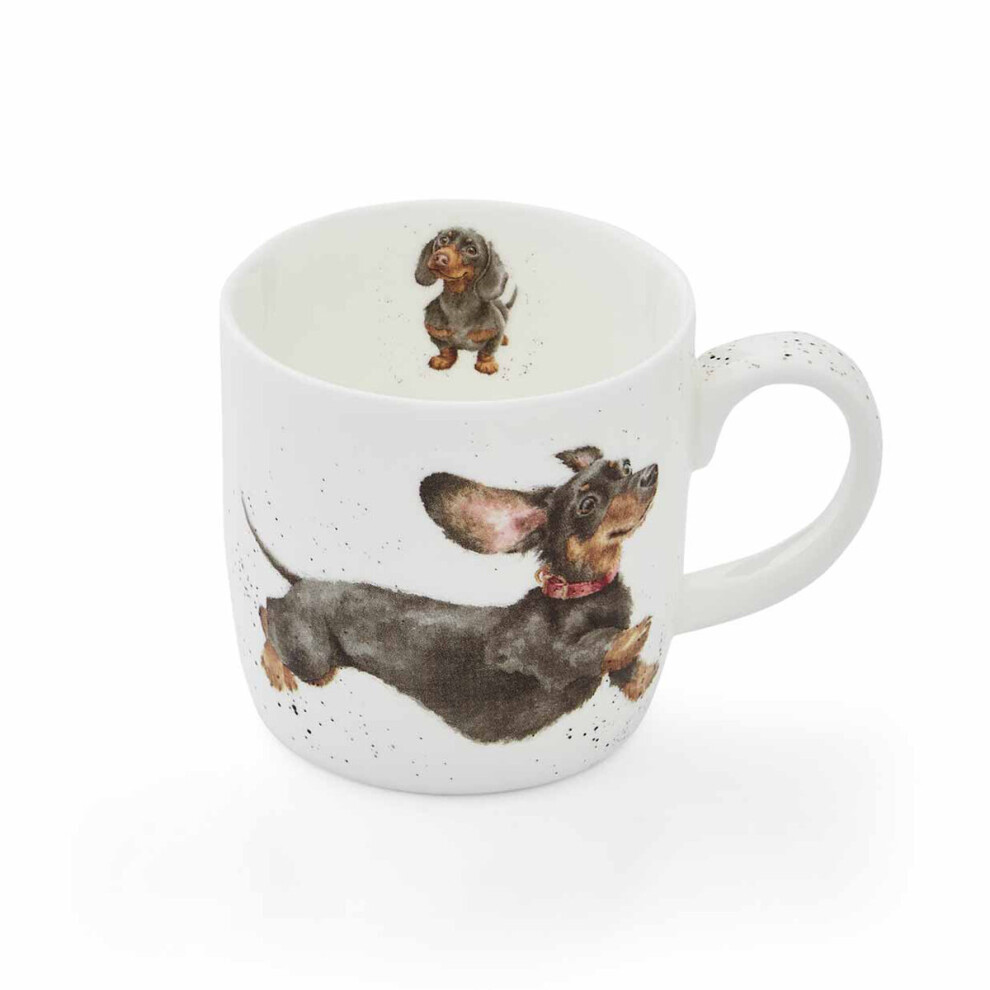
      Wrendale Designs That Friday Feeling Mug
      Wrendale Designs That Friday Feeling Mug

      by OnBuy.com

      $21.07

      Check Price →

  • How To Start A Print On Demand Business In 2026

    How To Start A Print On Demand Business In 2026

    Let’s be honest: the idea of making money while you sleep sounds like a scam we’ve all seen on social media. But print on demand (POD) isn’t a magic trick; it’s just a smarter way to handle inventory. Instead of buying 500 t-shirts and hoping they sell, you only pay for a product after a customer has already given you their money. In 2026, the barrier to entry is lower than ever, but the competition is much smarter. If you want to move away from the 9-to-5 grind, you need a real strategy, not just a cool logo and a dream.

    Demand-Driven Business Strategy

    When comparing a POD business vs traditional job stability, the risks are different. A job offers a steady paycheck, but POD offers uncapped potential. You won’t get rich overnight, but you can build an asset that works for you 24/ moving forward. Let’s break down exactly how you can build this from scratch this year.

    The Reality Check: Costs, Time, and Earnings

    Before you dive in, you need to know what you’re actually signing up for. I don’t want you to start this thinking you need zero dollars and zero effort. That’s a lie.

    What is the startup budget?

    You can technically start with almost nothing, but a “bare minimum” budget of $200 to $500 is much more realistic. This covers your Shopify monthly subscription, a domain name, and a small budget for testing ads or design software. If you rely solely on free marketplaces like Etsy, your upfront costs drop significantly, but your control over branding decreases.

    How much time will this take?

    If you are doing this alongside a full-time job, expect to put in about 10–15 hours a week. This includes researching trends, creating designs, and managing your store. Once your systems are running, the maintenance drops, but the initial setup requires heavy lifting.

    How much can you earn?

    This is the question everyone asks. I’ve seen side hustlers making an extra $500 a month, and I’ve seen full-time pros pulling in $10,000+ monthly. Your ROI depends entirely on your ability to find a niche that people actually care about. Most beginners see anywhere from $50 to $300 in profit per month during their first six months as they learn the ropes.

    Step 1: Finding a Niche That Isn’t Overcrowded

    The biggest mistake beginners make is trying to sell “everything to everyone.” If you make a store that sells “funny shirts,” you will fail. You are competing with millions of other generic stores. To win in 2026, you need to go deep into a specific subculture.

    Think about hobbies, professions, or very specific lifestyle groups. Instead of “dog lovers,” think “owners of senior rescue Greyhounds.” Instead of “gamers,” think “retro-style cozy gamers who love succulents.” The more specific you are, the cheaper your marketing will be because you know exactly who to target.

    • Analyze Trends: Use Google Trends and TikTok Creative Center to see what topics are gaining momentum.
    • Check Competition: Look at Etsy and Amazon to see what’s already selling, but look for gaps where the current designs are outdated or boring.
    • Validate Interest: Before making 50 designs, see if people are actually talking about the topic in Reddit communities or Facebook groups.

    Step 2: Setting Up Your Tech Stack

    You don’t need to be a coder to run a professional store. You just need to connect a few reliable tools that talk to each other.

    Choosing your storefront

    You essentially have two paths here. You can use a marketplace like Etsy, where the customers are already walking through the door, or you can build your own brand using Shopify. Etsy is great for beginners because it handles the traffic, but Shopify gives you total control over your customer data and branding.

    Selecting a fulfillment partner

    This is the “print” part of print on demand. You need a provider that prints and ships the item directly to your customer. In 2026, the industry leaders are still Printful and Printify. Printify is often better for margins because they act as a network of different printers, allowing you to shop around for the best prices on specific items like heavy-weight hoodies or organic cotton totes.

    Design tools for non-designers

    You don’t need a degree in Fine Arts. Canva remains the king for quick, text-based designs. However, if you want to create more complex graphics, look into Kittl or Adobe Express. These tools offer much better typography control, which is vital for making professional-looking apparel.

    Step 3: The Workflow of a Successful Store

    Success in POD is a volume game mixed with high-quality execution. You can’t just upload one design and wait for the money to roll in. You need a repeatable process.

    1. Trend Research: Spend Monday nights looking at what’s trending on social media.
    2. Design Creation: Spend Tuesday and Wednesday creating a batch of 5–10 designs based on that research.
    3. Mockup Generation: Use tools like Placeit to create realistic photos of people wearing your gear. Never use the flat, boring images provided by the printer; they look cheap.
    4. Listing and SEO: Write descriptions that use the words your customers actually type into search bars.
    5. Promotion: Use Pinterest or organic TikToks to show off your products.

    Avoiding the Common Pitfalls

    Many people quit within three months because they hit a wall. Usually, that wall is one of three things. First, copyright infringement. Never, under any circumstances, use Disney characters, band logos, or celebrity names. You will get your store shut down instantly.

    Second, poor quality control. Always order samples of your own products. You need to know if the print fades after one wash or if the shirt shrinks significantly. If your customers receive junk, your brand dies before it even starts.

    Third, neglecting your margins. If a shirt costs $12 to print, $5 to ship, and $3 in platform fees, and you sell it for $20, you only made $0. You haven’t even accounted for the cost of your time or advertising. Calculate your margins carefully to ensure every sale actually puts money in your pocket.

    Starting a print on demand business is a marathon, not a sprint. It requires patience, a willingness to fail, and a constant hunger to learn new tools. But if you can find that one specific niche and serve it better than anyone else, the rewards can be life-changing.

    Ready to stop watching from the sidelines? Pick a niche today, order your first sample, and start building your brand.

    Our Top Picks

    Products we recommend:

    1. How to Start a Business in 2020

    How to Start a Business in 2020

    How to Start a Business in 2020

    by Audiobooks.com

    $9.95

    Check Price →

    2. How to Start a Business in Texas

    How to Start a Business in Texas

    How to Start a Business in Texas

    by Knetbooks.com

    $24.81

    Check Price →

    3. How to Start a Creative Business

    How to Start a Creative Business

    How to Start a Creative Business

    by BiggerBooks.com

    $20.25

    Check Price →

  • How To Start A Print On Demand Business In 2026

    How To Start A Print On Demand Business In 2026

    You probably have a folder on your computer or a Pinterest board full of cool design ideas, and you’ve wondered if you could actually turn those into a paycheck. The idea of selling custom t-shirts, mugs, or posters without ever touching a piece of inventory sounds like the ultimate dream. In 2026, this isn’t just a pipe dream; it is a very real, very accessible way to build a side income. Unlike a traditional job where you trade hours for a fixed salary, print on demand (POD) allows you to build an asset that can scale far beyond your physical capacity.

    Demand-Driven Business Strategy

    However, let’s get one thing straight: it isn’t a “get rich quick” scheme. It requires genuine effort, a bit of design intuition, and a lot of testing. If you are looking for a low-risk way to test the waters of entrepreneurship, this is likely the most beginner friendly model out there. You don’t need a warehouse or a printing press; you just need a laptop and a solid strategy.

    Understanding the POD Model in 2026

    Print on demand works through a simple chain of events. You create a design, upload it to a platform, and connect that platform to an online store. When a customer buys your product, the order goes straight to a supplier. They print your design on the item, pack it, and ship it directly to the customer. You keep the difference between what the customer paid and what the supplier charged you.

  • The Supplier: Handles the physical labor, printing, and logistics.
  • The Storefront: Where your customers browse and checkout (e.g., Shopify or Etsy).
  • The Designer (You): Creates the concept and manages the marketing.
  • The biggest advantage here is the lack of inventory risk. In a traditional retail model, you might spend thousands of dollars upfront on 500 hoodies, hoping they sell. If they don’t, you’re stuck with a garage full of unsold fabric. With POD, your startup cost is minimal because you only pay for a product after you’ve already been paid by a customer.

    What You Can Expect: Costs, Time, and Income

    Before you dive in, let’s talk numbers. I don’t want you to go into this with unrealistic expectations. This is a business, not a lottery ticket.

    The Financial Reality

    Your initial investment can be as low as $50 or as high as $500 depending on how you choose to market. If you rely purely on organic social media, your main costs will be your Shopify subscription (roughly $39/month) and perhaps some small fees for design software like Canva or Adobe Express. If you want to run Meta or TikTok ads, you’ll need a much larger budget to test which designs actually convert.

    The Time Commitment

    In the beginning, expect to spend 10 to 15 hours a week. You’ll spend time researching niches, creating designs, and setting up your shop. Once you find a winning design, the maintenance drops significantly, but you must constantly upload new items to keep your store fresh and relevant.

    Potential Earnings

    Realistically, most beginners earn between $50 and $500 per month in their first six months. It takes time to build trust and traffic. However, seasoned sellers who have mastered niche targeting can see profits ranging from $2,000 to $10,000+ per month. It is a slow climb, but the ceiling is much higher vs traditional job limitations.

    Step-by-Step Guide to Launching Your Store

    Starting can feel overwhelming, so I’ve broken it down into a repeatable workflow.

    1. Find a Profitable Niche

    Do not try to sell “everything to everyone.” A store that sells dog shirts, fishing hats, and nursing mugs looks like a flea market, not a brand. Instead, pick a specific community. Think about hobbies, professions, or even very specific subcultures. The more specific you are, the easier it is to target your ads and find your audience.

    2. Select Your Printing Partners

    You need a reliable supplier who won’t ruin your reputation with poor print quality. In 2026, the industry leaders remain Printful and Printify. Printful offers great quality control, while Printify gives you access to a massive network of different printers, which can help you find better margins. Always order samples first. You need to see the print durability and the fabric quality with your own eyes.

    3. Set Up Your Sales Channel

    You have two main paths here:

    • Etsy: Great for beginners because the customers are already there searching for products. You pay small listing fees, but you benefit from Etsy’s massive organic traffic.
    • Shopify: This is your own dedicated website. It gives you total control over your branding and customer data, but you are responsible for driving every single visitor to the site through SEO or ads.

    4. Create High-Converting Designs

    You don’t need to be a master illustrator. Many of the best-selling POD items are simple typography-based designs. A clever, funny, or relatable quote in a clean font can outperform a complex painting. Use tools like Canva for easy layouts or Kittl if you want more advanced, vintage-style graphic templates.

    How to Drive Traffic and Sales

    A beautiful store is useless if nobody visits it. In 2024 and beyond, the way people discover products has shifted toward short-form video. TikTok, Instagram Reels, and YouTube Shorts are your best friends.

    Instead of just posting a photo of a shirt, show the lifestyle. Create videos of someone wearing the shirt while drinking coffee, or use “pack an order with me” style content (even if you’re just filming a sample). This builds a connection with your audience. Additionally, focusing on long-term SEO for your Etsy listings or Shopify product descriptions will ensure that people searching for “funny cat lover gift” actually find your shop months after you’ve posted it.

    Common Pitfalls to Avoid

    Many people quit within the first three months because they fall into these traps:

    • Copyright Infringement: Never use Disney characters, band logos, or celebrity names. You will get your shop shut down instantly.
    • Ignoring Margins: If a shirt costs you $12 to print and $5 to ship, and you sell it for $20, you only made $3. After platform fees, you might actually be losing money. Always calculate your net profit per item.
    • lack of testing: Don’t get married to one design. If it doesn’t sell after a month of promotion, move on to the next idea.

    Building a print on demand business is a marathon, not a sprint. It is about consistent experimentation and staying patient while you learn the nuances of your niche. If you can stay disciplined, the rewards can be incredibly fulfilling.

    Ready to start your journey? Pick one niche today, browse some competitors on Etsy, and see what’s missing from the market. Your first design is just one click away.

    Our Top Picks

    Products we recommend:

    1. How to Start a Business in Texas

    How to Start a Business in Texas

    How to Start a Business in Texas

    by Knetbooks.com

    $24.81

    Check Price →

    2. How to Start a Business in 2020

    How to Start a Business in 2020

    How to Start a Business in 2020

    by Audiobooks.com

    $9.95

    Check Price →

    3. How to Start a Creative Business

    How to Start a Creative Business

    How to Start a Creative Business

    by eCampus.com

    $11.50

    Check Price →