You’ve probably seen the ads. Someone sitting in a coffee shop, sipping a latte, claiming they make thousands of dollars a month just by uploading cute drawings to the internet. It sounds incredibly tempting, especially when you weigh it vs traditional job stability. But here is the truth: most people uploading generic “Coffee Lover” mugs are making exactly zero dollars. The difference between a hobby that costs you money and a side hustle that pays your rent lies entirely in your design strategy.
Print on demand (POD) is a fantastic way to enter the e-commerce space because the startup cost is remarkably low. You don’t need to buy a printing press or warehouse 500 ceramic mugs. You only pay for the product when a customer buys it from you. However, because the barrier to entry is so low, the competition is fierce. To win, you can’t just make “pretty” designs; you have and must create designs that tap into specific human emotions, identities, or inside jokes.
The math behind the mug business
Before we get into the creative side, let’s talk numbers. I want to be realistic with you. This isn’t a way to get rich overnight, but it can become a significant secondary income stream.
Typically, a standard 11oz ceramic mug sells for around $12-$15. After you pay the printing provider (like Printful or Printify) and the marketplace fees (like Etsy or Amazon), your profit margin usually sits between $3 and $5 per mug. To make $500 a month in profit, you need to sell roughly 100 to 150 mugs.
- Initial Investment: $0 – $50 (primarily for design tools like Canva Pro or a subscription to Creative Fabrica).
- Time Commitment: 5-10 hours per week for research and uploading designs.
- Potential Monthly Income: $50 (struggling beginner) to $2,000+ (established niche seller).
Niche selection: Moving beyond the generic
If you design a mug that says “Best Mom Ever,” you are competing with five million other people doing the exact same thing. You will get lost in the search results. The secret to finding print on demand mug designs that actually sell is to find “micro-niches.”
Hyper-specific hobbies
Instead of “Gardening,” try “Succulent Obsessed Indoor Plant Parent.” Instead of “Fishing,” try “Fly Fishing Enthusiast for Retired Engineers.” When you narrow your focus, your target customer feels like the product was made specifically for them. This emotional connection is what drives the click.
Profession-based humor
People love showing off their professional identity. Nurses, teachers, software developers, and dental hygienists are all great groups to target. Look for the specific struggles of these jobs—the long shifts, the specific jargon, or the shared frustrations. A mug that features a joke only an ICU nurse would understand is much more likely to sell than a generic medical mug.
Life milestones and seasonal trends
Mugs are huge for gifts. Think about upcoming holidays like Mother’s Day, Father’s Day, or even graduation season. Designing for “New Grandma 2024” or “Class of 2025” allows you to ride the wave of seasonal search traffic. This is a beginner friendly way to get quick sales if you time your uploads correctly.
Design styles that convert
You don’t need to be a master illustrator to succeed. In fact, some of the highest-selling mugs use very simple typography. Here are three styles that consistently perform well on marketplaces like Etsy and Redbubble.
- Minimalist Typography: Clean, sans-serif fonts with a witty one-liner. This works because it looks modern and “aesthetic.”
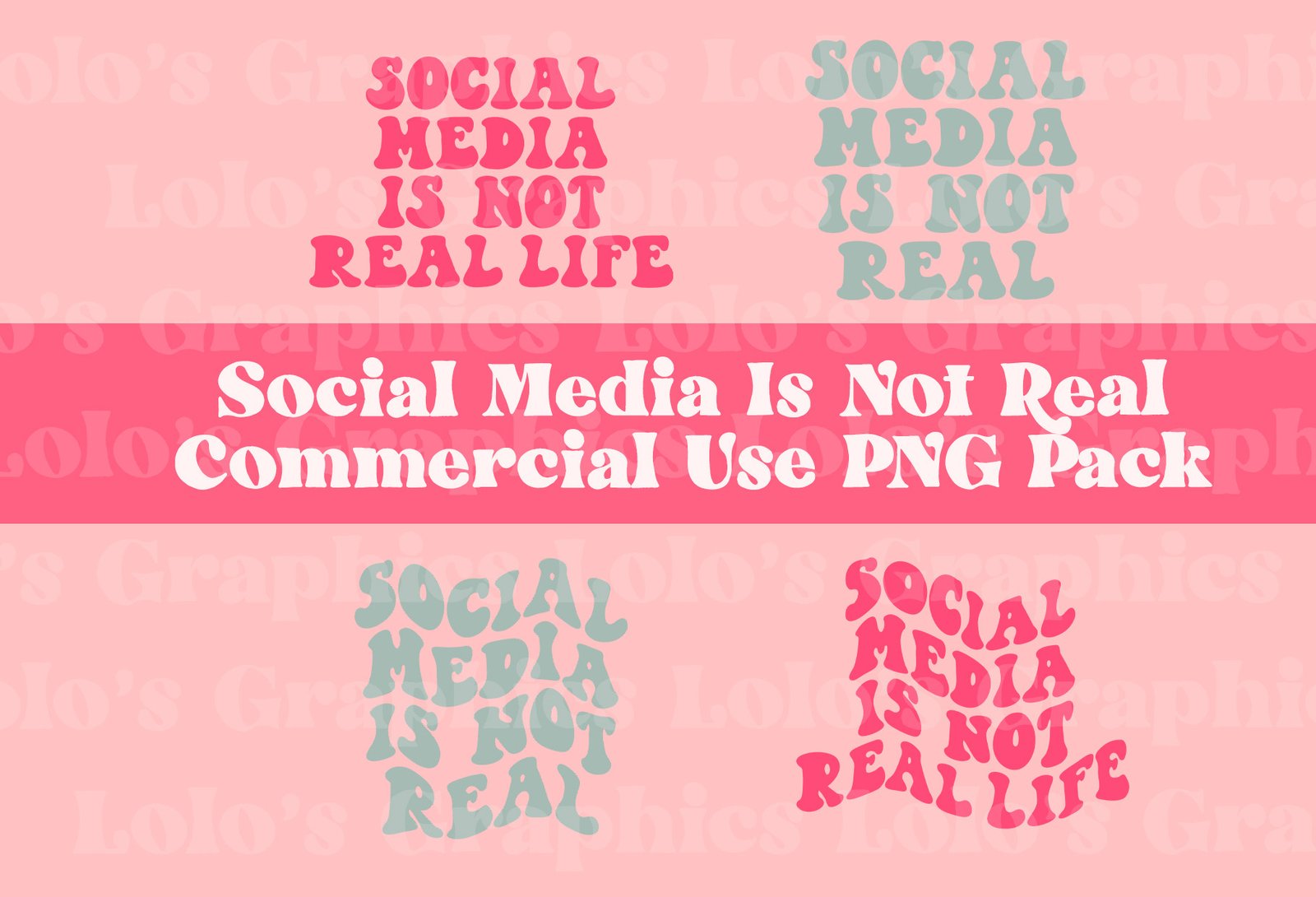
- Retro/Vintage Groovy: Think 70s-style bubbly fonts, warm earth tones (mustard, terracotta, sage), and distressed textures. This style is incredibly trendy right now.
- Hand-drawn Doodle Style: Simple, slightly imperfect illustrations that feel personal and “indie.” This works well for the “cozy” or “cottagecore” niches.
Tools like Canva are great for starting out, but if you want to level up, learning the basics of Adobe Illustrator or Affinity Designer will give you much more control over your vector graphics. High-quality, crisp lines are non-negotiable; a blurry design will lead to bad reviews and closed shops.
Where to sell your designs
Deciding where to host your shop is a strategic move. You generally have two paths: marketplaces and your own storefront.
Marketplaces like Etsy or Amazon Merch on Demand are excellent because they already have massive amounts of traffic. You don’t have to work as hard to find customers because they are already searching there. However, you are playing by their rules and competing directly with everyone else on the same page.
On the other hand, setting up a Shopify store gives you total control over your brand and customer data. This is harder because you have to drive your own traffic through social media or paid ads, but it is much more scalable in the long run. For most people starting out, a marketplace approach is the most logical first step.
Common pitfalls to avoid
The biggest mistake I see new sellers making is copyright infringement. Never, under any circumstances, use Disney characters, Marvel logos, or even song lyrics. The bots used by Amazon and Etsy are incredibly efficient, and one copyright strike can kill your entire business instantly. Stick to original ideas or licensed graphics from sites like Creative Fabrica.
Another mistake is “design fatigue.” This happens when you upload 100 designs that all look nearly identical. While consistency is good, variety is what helps you find your winning niche. Treat every design as an experiment to see what the market responds to.
Ready to start your journey? Pick one micro-niche today, head over to Canva, and try creating five different typographic layouts. The hardest part of this business isn’t the design—it’s actually hitting the “publish” button.
Our Top Picks
Products we recommend:
1. Did That Actually Happen?

2. Labels that Sell Goods Painting Print
3. Did That Actually Happen?
