Tag: Self-Publishing

  • How To Create And Sell Puzzle Books On Amazon

    How To Create And Sell Puzzle Books On Amazon

    Ever scrolled through Amazon, looking for a gift or a way to kill time on a flight, only to realize you could probably make a pretty decent book yourself? If you have an eye for detail and a bit of patience, publishing puzzle books is one of the most accessible ways to start an online business. You don’t need a printing press, a warehouse, or even a massive budget. All you really need is a laptop and a plan.

    This side hustle falls under the “low-content” publishing umbrella. Unlike writing a 300-sotry novel, you aren’t creating long-form prose; you are creating structured activities like Sudoku, word searches, or crosswords. While it sounds simple, there is a specific way to do this if you want to actually see a return on your time.

    The Reality Check: Costs and Earnings

    Before we get into the “how,” let’s talk about the numbers. You might be wondering, how much can you earn from a single book? The honest answer is: it varies wildly. Some creators make an extra $50 a month, while others manage full-time incomes. Most people starting out should expect anywhere from $20 to $200 in monthly profit per active title once they have a small library of books.

    When calculating your startup cost, you are looking at very low numbers. If you use free tools, you can start for essentially $0. However, if you want to professionalize your workflow, you might spend around $20-$50 a month on software subscriptions. Your primary investment isn’t money; it is the time spent researching niches and designing layouts.

    To understand your potential ROI, keep in mind that Amazon KDP (Kindle Direct Publishing) takes a cut for printing and distribution. If you sell a puzzle book for $9.99, after printing costs and Amazon’s percentage, you might see $2.00 to $4.00 in profit per sale. To make significant money, you need volume—a collection of high-quality books that target specific audiences.

    Finding Your Winning Niche

    The biggest mistake beginners make is creating a “generic” puzzle book. If you just upload a “Word Search Book,” you will be buried under millions of other identical titles. To succeed, you need to find a sub-niche where there is demand but not overwhelming competition.

    Targeting Specific Demographics

    Instead of a general word search, think about who specifically would buy it. Consider these ideas:

    • Word searches for seniors with large print (easier to read).
    • Cryptograms for 1980s movie fans.
    • Sudoku for beginners with step-by-step instructions.
    • Activity books for specific holidays or travel themes.

    Using Amazon as a Research Tool

    You can use the Amazon search bar to see what people are actually typing in. Type “puzzle book for…” and see what the auto-complete suggests. If you see “puzzle book for toddlers” or “puzzle book for commuters,” those are clues that people are actively searching for those specific items. Another great tool is Helium 10 or Publisher Rocket, which can give you much deeper data on search volume and competition levels.

    The Tools of the Trade

    You don’t need to be a graphic designer to create these books, but you do need the right software to make them look professional. A messy-looking book will quickly result in bad reviews, which kills your sales.

    Generating the Puzzles

    Manually creating 100 Sudoku grids is a recipe for burnout. Use specialized generators to save time:

    • Puzzle Wiz: Great for creating word searches and crosswords quickly.
    • <0xA0> <0xC2><0xA0>

    • Book Bolt: An all-in-one studio designed specifically for KDP creators. It handles both the interior and the cover.
    • Online Sudoku Generators: Many free versions exist that allow you to export grids as images.

    Designing the Layout and Cover

    The “interior” is the pages inside, while the “cover” is what sells the book. For the interior, Canva is a fantastic, user-friendly option for arranging your puzzles and adding decorative elements. For the cover, you want something eye-catching and clear. If it’s a large print book, make sure the words “LARGE PRINT” are easy to read on the thumbnail image.

    Step-by-Step Publishing Process

    Once you have your puzzles generated and your design finished, it is time to bring them to life on Amazon KDP.

    1. Format your files: You will typically need two PDF files—one for the interior pages and one for the cover. Ensure your margins are correct so that no puzzles get lost in the “gutter” (the middle crease of the book).
    2. Set up your KDP account: Go to kdp.amazon.com and sign up. You will need to provide tax and banking information so Amazon can pay you your royalties.
    3. Upload your manuscript: Enter your title, description, and keywords. This is where the “magic” of SEO happens—use those keywords you researched earlier.
    4. Choose your paper and size: Most puzzle books are 8.5 x 11 inches, which provides plenty of room to work.
    5. Upload your cover: Upload your PDF cover and use the Amazon previewer tool to make sure everything looks perfect.
    6. Set your price: Research your competitors. If everyone is selling similar books for $7.99, don’t price yours at $14.99 unless you have a very compelling reason.

    Common Pitfalls to Avoid

    Many people start this journey and quit within a month because they hit these common roadblocks. Avoid them by staying focused on quality.

    First, avoid “low-effort” content. Simply slapping random words into a generator without checking for errors or themes feels cheap to customers. Second, don’t ignore the importance of the cover. You can have the best puzzles in the world, but if the cover looks like it was made in 1995, no one will click on it.

    Lastly, do not rely on a single book. Treat this like building a library. One book might make $5 a month, but fifty books can create a much more stable stream of passive income. It is a marathon, not a sprint.

    Ready to start your publishing journey? Pick one niche today—just one—and start researching what’s missing from the Amazon marketplace. The best time to start was yesterday; the second best time is right now.
  • How To Create And Sell Puzzle Books On Amazon

    How To Create And Sell Puzzle Books On Amazon

    You probably know that feeling of scrolling through Amazon, looking for a way to make some extra cash without committing to a second 9-to-5. You see these thick, colorful Sudoku or word search books and think, “Wait, someone actually made money doing this?” The truth is, they did. Creating puzzle books is one of those low-barrier-to-entry side hustles that actually works if you approach it with a bit of strategy rather than just throwing random words into a PDF.

    Puzzle Books

    Unlike a traditional job where you trade hours for a fixed paycheck, publishing on Amazon Kindle Direct Publishing (KDP) allows you to build assets that can earn money while you sleep. You aren’t just selling a product; you are building a library of digital assets. But before you dive in, let’s get real about the numbers. You aren’t going to wake up a millionaire overnight. Most beginners start by earning anywhere from $50 to $500 a month, but as your catalog grows, that potential for passive income can scale significantly.

    The Low-Cost Setup: What You’ll Need to Start

    One of the best parts about this business is that you don’t need a massive warehouse or a printing press. Amazon handles the printing, shipping, and customer service. Your main job is the creation and the upload. Because of this, your startup costs are incredibly low.

  • Software: You can start with free tools like Canva for cover design, but for generating actual puzzles, you might want a subscription to software like Puzzle Wiz or Book Bolt.
  • Research Tools: To see what people are actually searching for, tools like Helium 10 or even just the Amazon search bar are essential.
  • Budget: If you are frugal, you can launch your first book for under $50, mostly covering software subscriptions.

When you look at the ROI of this venture, the math is quite simple. Since your overhead is mostly just your time and a small monthly software fee, every book sale that exceeds your initial cost is pure profit. There is no inventory risk, which is a massive advantage compared to traditional e-commerce.

Step 1: Finding Your Niche Through Research

The biggest mistake new publishers make is creating a “General Word Search Book.” If you search that on Amazon, you’ll see millions of results. You will be buried on page 500. To succeed, you need to find a specific corner of the market.

Targeting Micro-Niches

Instead of a generic book, think about specific demographics or interests. Instead of “Sudoku for Adults,” try “Sudoku for Seniors with Large Print” or “Cryptograms for Star Wars Fans.” The more specific you are, the less competition you face. Look for niches where the demand is steady but the current book covers are poor quality or outdated.

Analyzing the Competition

Go to Amazon and look at the best-sellers in the puzzle category. Read the 1-star and 2-star reviews of your competitors. Are people complaining that the font is too small? Is the paper quality bad? Is the puzzle difficulty inconsistent? These complaints are your roadmap. If you can fix the problems existing books have, you have a winning product.

Step 2: Generating the Content

You don’t need to be a math genius to create Sudoku or a linguist to create word searches. There is software designed specifically to do the heavy lifting. Tools like Book Bolt or Puzzle Wiz allow you to input themes and automatically generate formatted, print-ready pages.

However, don’t just “set it and forget it.” A lot of people generate thousands of puzzles and upload them without checking for errors. A single broken puzzle can lead to a string of bad reviews that kills your book’s visibility. Spend time verifying that your word lists make sense and that the difficulty levels are consistent. This extra bit of effort is what separates the hobbyists from the professionals.

Step 3: Designing a Cover That Converts

On Amazon, people absolutely judge a book by its cover. Your cover is your primary marketing tool. It needs to look professional, communicate exactly what is inside, and stand out in a tiny thumbnail image.

A good puzzle book cover should have:

  • High contrast colors: Make sure the title is readable even when the image is small.
  • Clear typography: Use bold, easy-to-read fonts.
  • Visual cues: If it’s a large-print book, mention “Large Print” prominently on the cover.
  • A cohesive theme: The interior style should match the vibe of the cover.

If you aren’t a designer, Canva is a fantastic place to start. They have templates that can guide you, but try to customize them enough so your book doesn’t look like every other template on the web.

Step 4: Uploading and Optimizing for Amazon KDP

Once your PDF is ready, it’s time to head to the KDP dashboard. This is where the “SEO” part of your business happens. You need to choose a title, subtitle, and seven keywords that will help Amazon’s algorithm find you.

Don’t just stuff keywords into your title. It needs to sound natural. Use the subtitle to expand on the features, such as “100 Hard Puzzles for Brain Training and Stress Relief.” When choosing your seven backend keywords, avoid repeating words already in your title. Think about what a customer would actually type into the search bar, such as “gifts for grandmothers” or “travel activities for adults.”

The Reality Check: How Much Can You Earn?

I want to be very honest here: how much can you earn is entirely dependent on your volume and your niche selection. If you upload one book and wait, you will likely earn $0. This is a volume game.

Some publishers manage a catalog of 50-100 high-quality books and see a steady monthly income that rivals a part-time job. Others have hit “home runs” with a single niche book that generates thousands of dollars a month. The difference is usually the amount of research done before the first page was ever designed. It is a marathon, not a sprint.

Final Thoughts and Next Steps

Creating puzzle books is a legitimate way to build a digital asset library. It requires patience, a bit of technical learning, and a lot of research, but the low risk makes it an incredible way to start an online business. You don’t need a huge budget; you just need a plan.

Ready to start your publishing journey? Pick one niche today—just one—and spend an hour researching what people are searching for on Amazon. Your first book is waiting to be made.

Our Top Picks

Products we recommend:

1. Amazon Self Publisher: How to Sell More Books on Amazon

Amazon Self Publisher: How to Sell More Books on Amazon

Amazon Self Publisher: How to Sell More Books on Amazon

by Audiobooks.com

$24.99

Check Price →

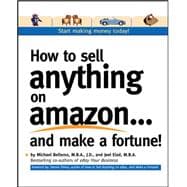
2. How to Sell Anything on Amazon…and Make a Fortune!

How to Sell Anything on Amazon...and Make a Fortune!

How to Sell Anything on Amazon…and Make a Fortune!

by Knetbooks.com

$31.81

Check Price →

3. iPhone Millionaire: How to Create and Sell Cuttin

iPhone Millionaire:  How to Create and Sell Cuttin

iPhone Millionaire: How to Create and Sell Cuttin

by eCampus.com

$19.80

Check Price →