Tag: Amazon KDP 2026

  • Best Niches For Kdp Puzzle Books In 2026

    Best Niches For Kdp Puzzle Books In 2026

    If you have spent any time lurking in KDP (Kindle Direct Publishing) forums, you know that the “low-content gold rush” era is long gone. You can’t just throw a generic word search book onto Amazon and expect to see royalties hitting your bank account by next Tuesday. The competition is too high for that. However, as we look toward 2026, there is still massive potential if you stop thinking like a printer and start thinking like a niche researcher.

    The secret isn’t finding a brand-new hobby; it is about finding specific, underserved sub-niches where people are actively searching for a way to unplug. People are increasingly desperate to escape screen fatigue, and puzzle books provide the perfect analog solution. If you can find a small pocket of enthusiasts—say, lovers of 1970s retro aesthetics or fans of specific indoor gardening trends—you can build a sustainable side income.

    Why 2026 is different for puzzle creators

    The landscape of Amazon KDP is shifting toward high-quality, interior-focused content. Generic interiors are being buried by Amazon’s search algorithm in favor of books that offer actual value. This means your success depends on how well you can tailor a specific puzzle type to a very specific person. Instead of making “Sudoku for Adults,” you might make “Sudoku for Neurodivergent Minds” or “Extreme Sudoku for Seniors with Large Print.”

    <

    • Low barrier to entry: You don’t need to be a graphic designer to start.
    • No inventory risk: Amazon handles all the printing and shipping.
    • Scalability: Once you have a winning template, you can replicate it across different themes.

    Top profitable niches to watch

    Predicting trends is part science and part observation. Based on current consumer behavior shifts toward mindfulness and hyper-specific hobbies, here are the areas I believe will dominate the KDP marketplace in 2026.

    Hyper-Niche Hobbyist Activity Books

    Generic hobby books are dead. To win, you need to go three layers deep. Don’t just target “Gardening.” Target “Urban Apartment Balcony Gardening” or “Succulent Care Logs and Puzzles.” These readers have a high intent to buy because the book speaks directly to their specific lifestyle. You can combine word searches with coloring elements or themed logic puzzles to increase the perceived value.

    The Neurodiversity Movement

    There is a massive, underserved market for puzzle books designed specifically for ADHD, Autism, or Dyslexia. These aren’t just about difficulty levels; they are about accessibility. This includes using specific fonts that are easier to read, providing more white space to prevent overwhelm, and creating “dopamine-friendly” rewards within the book structure. This is a beginner friendly way to enter the market because you are solving a real problem for a real community.

    Retro & Nostalgia-Driven Brain Games

    Nostalgia is a powerful buying trigger. Creating word searches or crosswords centered around specific decades—like “The 80s Arcade Era” or “90s Sitcom Trivia”—allows you to tap into the emotional connection older Gen Z and Millennials have with their childhoods. These books make excellent gifts, which is a huge driver for KDP sales during Q4.

    The reality of the business model

    I want to be completely transparent with you because I don’t want you to quit after your first month. This is not “get rich quick” money. It is a volume and consistency game. You need to understand what you are putting into this to see a return.

    The financial breakdown

    When people ask how much can you earn, the answer is highly variable. A single successful niche book might bring in $50 to $200 per month. However, a library of 50 well-researched books can create a steady stream of $1,000 to $3,000+ monthly.

    Regarding the startup cost, you can actually start with almost nothing if you are resourceful. If you use free tools like Canva for covers and basic puzzle generators, your cost is essentially $0. However, if you want to compete at a high level, you should budget for professional tools.

    Estimated Budget Tiers:

    • The Bootstrapper ($0 – $20/month): Using free versions of Canva and basic online puzzle generators.
    • The Pro Creator ($50 – $150/month): Subscriptions to Canva Pro, specialized puzzle software like Puzzle Wiz or Book Bolt, and perhaps a small budget for keyword research tools.

    Time investment requirements

    Creating one high-quality book—from niche research and keyword hunting to interior design and uploading—can take anywhere from 5 to 15 hours depending on your experience. You shouldn’t be looking at this as a one-off task, but rather as building an asset library over several months.

    Essential tools for your toolkit

    To avoid burnout, you need to automate the boring parts. Don’t try to manually draw every word search grid. Use software that does the heavy lifting so you can focus on the creative “niche” aspect.

    1. Research: Helium 10 or Publisher Rocket are the gold standards for finding out what people are actually typing into the Amazon search bar.
    2. Design: Canva is your best friend for covers and simple layouts.
    3. Generation: Book Bolt or specialized Python scripts can generate massive amounts of puzzle data quickly.
    4. Organization: A simple Trello board to track your book progress from “Idea” to “Live on Amazon.”

    How to avoid the common pitfalls

    The biggest mistake new creators make is “keyword stuffing” their titles. If your title looks like a string of random words, customers won’t trust you, and Amazon might even flag your account. Focus on a human-readable title and use your 7 backend keywords for the technical SEO stuff.

    Another trap is ignoring the “Look Inside” feature. Most buyers will click that button to see if the interior is high quality. If your puzzles are messy, poorly aligned, or have typos, you will lose the sale instantly. Always proofread your interiors as if you were the customer paying for them.

    If you are ready to stop scrolling and start building, pick one tiny niche today. Don’t try to conquer all of Amazon at once. Just find one small group of people with a specific interest and create something they will love to solve.

  • Best Niches For Kdp Puzzle Books In 2026

    Best Niches For Kdp Puzzle Books In 2026

    If you’ve been hanging around the Amazon KDP community for any length of time, you know the old strategy of “uploading random word searches and hoping for the best” is pretty much dead. The marketplace is crowded, and customers have become incredibly picky. They don’t just want a puzzle; they want a specific experience that fits their mood, their hobby, or their cognitive needs.

    As we look toward 2026, the winners won’t be the people who flood KDP with generic content. Instead, success belongs to those who find micro-niches—small, dedicated pockets of readers looking for something highly specific. If you are wondering how much can you earn by pivoting your strategy, the answer depends entirely on how well you understand these upcoming trends.

    The Shift Toward Hyper-Specific Demographics

    Generic puzzle books are becoming harder to rank. To see a real ROI, you need to stop thinking about “Sudoku lovers” and start thinking about “Sudoku for seniors with low vision” or “Cryptograms for true crime enthusiasts.” The goal is to reduce your competition by being the only person providing exactly what a specific group wants.

    Success in 2026 will rely on deep research into subcultures. People are increasingly looking for “identity-based” entertainment. This means your interior design and cover art should reflect the specific lifestyle of your target reader, not just a generic stock photo of a magnifying glass.

    Top Profitable Puzzle Niches for 2026

    1. Cognitive Care & Senior Wellness

    The aging population is one of the most consistent markets on Amazon. We aren’t just talking about basic crosswords here. There is a massive, growing demand for “brain training” books specifically designed for neurodivergent adults or those managing early-stage cognitive decline.

    • Focus: Large print, high contrast, and puzzles that focus on memory retrieval (like word searches using names from specific decades).
    • Time Investment: High. You need to ensure the font sizes are legible and the layouts aren’t cluttered.
    • Estimated Monthly Income: $300 – $1,500 per book if you build a brand around “Brain Health.”

    2. The “Cozy Hobby” Movement

    People use puzzles to escape stress. Niches centered around slow living—like gardening, embroidery, or cottagecore aesthetics—are booming. Imagine a word search book where every clue is related to heirloom tomato varieties or vintage knitting patterns.

    This niche allows for beautiful, cohesive cover art that attracts “aesthetic-driven” shoppers on Instagram and TikTok. When your book looks like a piece of decor, it becomes an impulse buy.

    3. Hyper-Niche True Crime & Mystery

    True crime fans are notoriously loyal and hungry for content. You can create logic puzzles or detective-style cryptograms that use “cold case” themes or historical mysteries. The key here is the atmosphere. Your book shouldn’t just be a collection of puzzles; it should feel like a mini-investigation.

    Startup cost for this niche might include a subscription to a high-quality design tool like Canva Pro or Adobe Illustrator to create themed elements that match the dark, moody aesthetic required.

    The Financial Reality: Costs and Returns

    Let’s get real about the numbers. You cannot treat KDP as a “zero dollar” venture if you want quality results. While you can technically use free tools, your startup cost will likely hover between $50 and $200 per project if you want to do it right.

    Here is a breakdown of what you should budget for:

    • Puzzle Generation Software: Tools like Puzzle Wiz or Book Bolt are essential for creating professional, error-free interiors. ($15 – $40/month)
    • Design Assets: Creative Fabrica or Envato Elements for unique fonts and clip art to avoid the “generic KDP look.” ($10 – $30/month)
    • Market Research: Using Helium 10 or Publisher Rocket to find low-competition keywords. ($50 – $100/month)

    When calculating your ROI, don’t just look at the profit per book. Look at the lifetime value of a niche. A single high-quality, well-researately series of five books can provide much more stable income than fifty low-effort books that all die after a month.

    Essential Tools for Your 2026 Toolkit

    To stay competitive, you need to move away from manual creation. You won’t find success by typing words into a Word document. Here is what I recommend using:

    1. Research: Amazon Search Bar (for auto-fill trends) and Helium 10 (for actual search volume data).
    2. Creation: Book Bolt for rapid interior generation and layout management.
    3. Aesthetics: Canva is great, but learning the basics of Adobe Express will give you a much more professional edge in cover design.
    4. Quality Control: Always print a physical proof via KDP before publishing. You need to see if your margins are correct and if the text is actually readable.

    How to Avoid the “Low-Content Trap”

    The biggest mistake new creators make is thinking they can win by sheer volume. The “low-content” era of 2018-2022 is over. In 2026, you should aim for “medium-content.” This means adding value through themed instructions, trivia, or even small illustrations within the puzzle pages.

    If a customer opens your book and sees the same layout they’ve seen in fifty other books, they won’t leave a review. If they see a beautifully curated collection of puzzles that feels like a premium product, they will follow your author page and buy every new release you drop.

    Ready to stop guessing and start building? Pick one micro-niche this week—just one—and spend three days researching the specific vocabulary and interests of that group. That is where your journey begins.

  • Best Niches For Kdp Puzzle Books In 2026

    Best Niches For Kdp Puzzle Books In 2026

    If you’ve spent any time scrolling through YouTube or Reddit lately, you’ve probably seen people claiming that Amazon KDP is a “get rich quick” scheme. Let’s get one thing straight: it isn’t. If you go into this thinking you can upload a generic word search and wake up with a mortgage-free life, you’re going to be disappointed. However, if you treat it like a real digital publishing business, the potential for passive income is very real.

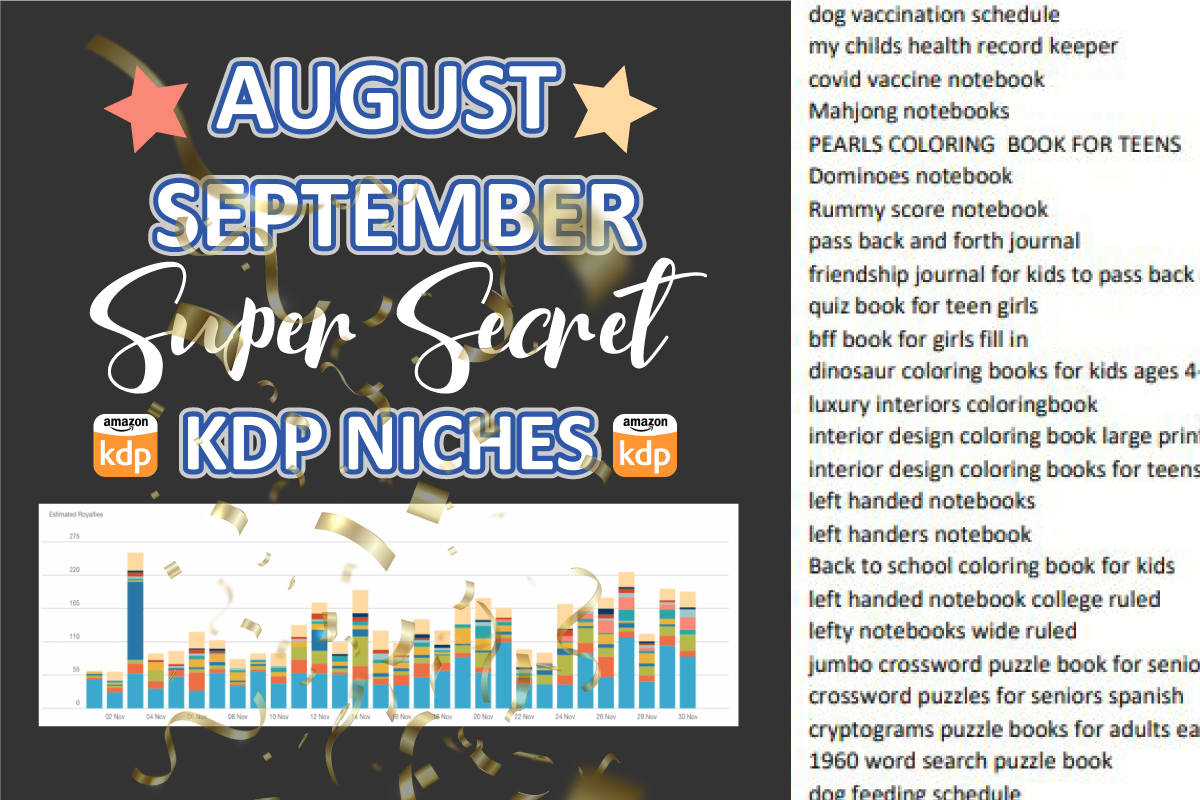
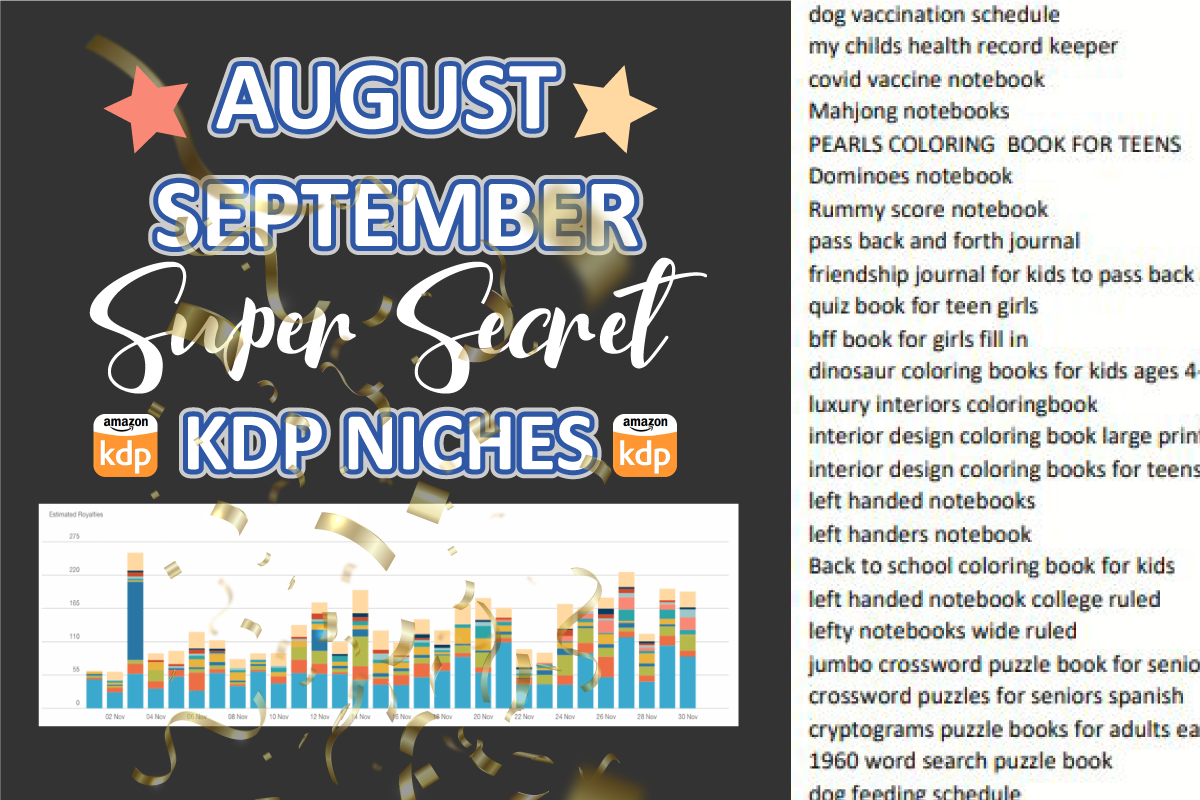
    August September Secret Kdp Niches by Elimesherstudio | Creative Market

    As we look toward 2026, the landscape of Kindle Direct Publishing is shifting. The era of “low-content” dumping—where people uploaded thousands of identical notebooks—is dead. Amazon’s algorithm has become much smarter at filtering out low-quality noise. To succeed in 2026, you need to focus on high-value, high-utility puzzle books. You aren’t just selling paper; you are selling an experience, a way to kill time on a plane, or a way for seniors to keep their minds sharp.

    The Shift Toward Hyper-Niche Puzzle Books

    The biggest mistake beginners make is trying to compete with the giants. You cannot create a “General Sudoku Book” and expect to rank on page one. The competition is too high. Instead, you need to find micro-niches. Think about specific demographics, specific hobbies, or specific difficulty levels that are currently underserved.

    < p>Success in 2026 will come from “Themed Logic.” Instead of just a crossword book, imagine a “1950s Nostalgia Crossword” or a “Cyberpunk-themed Logic Grid.” These specific interests allow you to target long-tail keywords that have less competition and much higher conversion rates.

    Top Profitable Niches to Watch in 2026

    1. Neurodivergent-Friendly Activity Books

    There is a growing movement toward creating content specifically designed for ADHD and Autistic brains. These aren’t your standard, overwhelming puzzle books. They focus on “dopamine-friendly” layouts: clear instructions, high-contrast visuals, and satisfying, bite-sized challenges. This niche is expanding rapidly as more people seek out tools for focus and sensory regulation.

    2. The “Silver Tech” Demographic

    As the Boomer generation ages, there is a massive demand for puzzles that balance cognitive challenge with accessibility. This means large print is non-negotiable. Think “Large Print Cryptograms” or “Brain Games for Seniors.” The key here is to avoid tiny fonts and cluttered pages that cause eye strain.

    3. Hyper-Specific Hobbyist Mazes and Logic Puzzles

    People love things that reflect their identity. If someone is obsessed with mushroom foraging, they might actually buy a “Mushroom Forager’s Logic Puzzle Book.” By merging a popular hobby with a puzzle format, you create a product that feels curated rather than mass-produced.

    The Real Numbers: Costs, Time, and Earnings

    When people ask me how much can you earn from KDP, I always tell them it depends entirely on your catalog size and quality. It is a volume game, but quality is the gatekeeper.

    • Realistic Income Ranges: A single successful niche book might bring in $50–$200 per month. A well-managed portfolio of 50 high-quality, themed books can realistically generate anywhere from $1,000 to $5,000 per month.
    • Startup Cost: You don’t need much to start. If you use free tools like Canva or Google Sheets, your startup cost could be as low as $0. However, investing in a subscription to a specialized puzzle generator or a premium Canva account (around $120/year) is highly recommended.
    • Time Investment: Creating one high-quality, themed book—including research, puzzle generation, formatting, and cover design—can take anywhere from 10 to 30 hours.

    Comparing this vs traditional job dynamics is interesting. In a traditional job, you trade hours for a fixed rate. In KDP, you trade hours for assets that can potentially pay you for years. The upfront “work” is much higher, but the scalability is much greater.

    Essential Tools for Your KDP Toolkit

    You don’t need to be a math genius to create puzzles, but you do need the right software. Relying on manual creation is a recipe for burnout.

    1. Puzzle Generators: Tools like Puzzle Wiz or Book Bolt are industry standards for generating Sudoku, Word Searches, and Mazes quickly.
    2. Canva: This is your best friend for cover design and interior layout. It’s intuitive and has a massive library of elements.
    3. ChatGPT/Claude: Use these for brainstorming niche ideas, writing compelling book descriptions, and even generating word lists for your puzzles.
    4. Helium 10 or Publisher Rocket: These are essential for keyword research. They help you see exactly what customers are typing into the Amazon search bar so you aren’t guessing.

    How to Avoid the “Low-Quality” Trap

    The quickest way to get your KDP account flagged or simply ignored is to produce “slop.” Amazon is getting better at detecting AI-generated content that has no human oversight. To stay ahead, you must add a human touch. This means checking every single puzzle for errors, ensuring your instructions make sense, and creating a cover that looks like it was designed by a professional designer, not a template-user.

    Focus on the “User Experience” (UX) of the physical book. Is there enough margin for people to write in? Is the paper thickness appropriate? If you treat your books like a product you would want to buy yourself, you are already ahead of 90% of the competition.

    Final Thoughts on Starting Your Journey

    The KDP market in 2026 isn’t about being the first to market; it’s about being the best in a specific corner of the market. Don’t try to conquer the whole Amazon bookstore. Pick one small, passionate community, solve a problem for them with a great puzzle book, and grow from there.

    Are you ready to stop scrolling and start publishing? Pick one niche from the list above, spend this weekend researching keywords, and try to create your first interior page. The best way to learn is by doing.

    Our Top Picks

    Products we recommend:

    1. 3000 Best Kdp Coloring Book Niches by Elimesherstudio | Creative Market

    3000 Best Kdp Coloring Book Niches by Elimesherstudio | Creative Market

    3000 Best Kdp Coloring Book Niches by Elimesherstudio | Creative Market

    by Creative Market

    $11.00

    Check Price →

    2. Best Of The Week Sunday Crosswords: New York Magazine Crossword Puzzle Books For Adults, Crossword Puzzle Books For Adults Large P

    Best Of The Week Sunday Crosswords: New York Magazine Crossword Puzzle Books For Adults, Crossword Puzzle Books For Adults Large P

    Best Of The Week Sunday Crosswords: New York Magazine Crossword Puzzle Books For Adults, Crossword Puzzle Books For Adults Large P

    by Indigo Books & Music

    $9.50

    Check Price →

    3. Best Books for Boys

    Best Books for Boys

    Best Books for Boys

    by eCampus.com

    $49.95

    Check Price →

  • Best Niches For Kdp Puzzle Books In 2026

    Best Niches For Kdp Puzzle Books In 2026

    If you have been scrolling through YouTube or TikTok lately, you have likely seen someone claiming they made thousands of dollars last month just by uploading simple word searches to Amazon. It sounds incredibly tempting, especially when you compare the low barrier to entry vs traditional job stability. But as we look toward 2026, the landscape of Kindle Direct Publishing (KDP) is changing. The days of uploading generic, low-effort puzzles and expecting a windfall are largely over. To make this work now, you need to stop thinking like a casual hobbyist and start thinking like a niche researcher.

    August September Secret Kdp Niches by Elimesherstudio | Creative Market

    The good news is that the demand for tactile, screen-free entertainment is actually growing. People are feeling “digital fatigue,” and physical puzzle books offer a much-needed break from blue light. If you can find the right intersection of a hungry audience and low competition, you can build a sustainable side income. Let’s look at the specific niches that are projected to thrive in 2026.

    The Rise of Hyper-Specific Demographic Puzzles

    Generic “Sudoku for Adults” is a graveyard of failed publishing attempts. The competition is too high, and the margins are razor-thin. Instead, the real money in 2026 lies in “micro-niches”—books designed for a very specific person with a very specific interest.

    Neurodivergent-Friendly Activity Books

    There is a massive, underserved market for puzzle books designed specifically for individuals with ADHD or Autism. These aren’t just standard puzzles; they are books that incorporate sensory-friendly layouts, dopamine-friendly reward systems (like progress trackers), and varying difficulty levels to prevent overwhelm. Creating these requires more care in design, but the loyalty of this customer base is incredibly high.

    The “Silver Gamer” Market

    As the population ages, the demand for cognitive stimulation books for seniors is skyrocketing. However, don”t just make “large print” books. Think about themes that resonate with this demographic—nostalgic 1950s trivia, classic cinema crosswords, or gardening-themed word searches. These readers are often willing to pay a premium for high-quality, easy-to-read paper and clear instructions.

    Niche Ideas Based on Emerging Lifestyle Trends

    Predicting trends is part of the fun. By 2026, we expect certain lifestyle shifts to dictate what people buy during their downtime.

    • Eco-Conscious Living: Puzzle books centered around sustainability, composting, zero-waste lifestyles, and urban gardening.
    • Solo Travel Companions: Small-format, pocket-sized puzzle books designed specifically for long train rides, flights, or camping trips.
    • Mindfulness and Slow Living: Books that combine simple logic puzzles with coloring elements or journaling prompts to encourage a “slow” way of life.

    How much can you earn from these niches?

    This is the question everyone asks. Let’s be realistic. If you are running a single-book operation, you might make $20 to $50 a month. However, if you build a library of 50 to 100 high-quality, niche-specific books, a monthly income of $500 to $2,000 is a very achievable goal. It is not a “get rich quick” scheme, but rather a long-term asset-building strategy.

    The Logistics: Costs, Time, and Tools

    Starting this journey is quite beginner friendly, provided you don’t try to do everything manually. You don’t need a degree in graphic design, but you do need a systematic approach.

    Startup Costs

    One of the best parts about KDP is that you don’t need to hold inventory. Your primary costs will be:

    1. Software Subscriptions: Canva Pro (approx. $12/month) or Adobe Creative Cloud (approx. $55/month) for high-quality layouts.
    2. Puzzle Generation Tools: Tools like Puzzle Wiz or Book Bolt are essential for creating professional-grade grids without spending hours on manual entry.
    3. Research Tools: A subscription to Helium 10 or Publisher Rocket (approx. $10-$50/month) to find low-competition keywords.

    Total initial investment: Under $100.

    Time Investment

    Expect to spend about 5 to 10 hours per book if you are doing it correctly. This includes keyword research, puzzle generation, interior formatting, and designing a cover that actually stands out. If you try to rush this in 1 hour, your reviews will reflect that, and Amazon’s algorithm will stop showing your book to customers.

    Building a Sustainable Workflow

    To avoid burnout, you need a repeatable process. Don’t just jump from one idea to the next. Pick a “sub-niche” (for example, “Vintage Botanical Crosswords”) and create a series. This allows you to reuse your research and build brand recognition. When a customer loves your “Vintage Botanical” book, they are much more likely to click on your “Vintage Floral” Sudoku book.

    Remember, the goal is to create a brand, not just a collection of random files. Use tools like Creative Fabrica to find unique, high-quality graphics that make your covers look professional and distinct from the thousands of generic templates circulating online.

    If you are ready to stop browsing and start building, the best time to start researching your first niche is today. Pick one theme, look at the data, and create something that actually provides value to a specific reader.

    Our Top Picks

    Products we recommend:

    1. 3000 Best Kdp Coloring Book Niches by Elimesherstudio | Creative Market

    3000 Best Kdp Coloring Book Niches by Elimesherstudio | Creative Market

    3000 Best Kdp Coloring Book Niches by Elimesherstudio | Creative Market

    by Creative Market

    $11.00

    Check Price →

    2. Best Of The Week Sunday Crosswords: New York Magazine Crossword Puzzle Books For Adults, Crossword Puzzle Books For Adults Large P

    Best Of The Week Sunday Crosswords: New York Magazine Crossword Puzzle Books For Adults, Crossword Puzzle Books For Adults Large P

    Best Of The Week Sunday Crosswords: New York Magazine Crossword Puzzle Books For Adults, Crossword Puzzle Books For Adults Large P

    by Indigo Books & Music

    $9.50

    Check Price →

    3. Best Books for Teens

    Best Books for Teens

    Best Books for Teens

    by BiggerBooks.com

    $171.33

    Check Price →