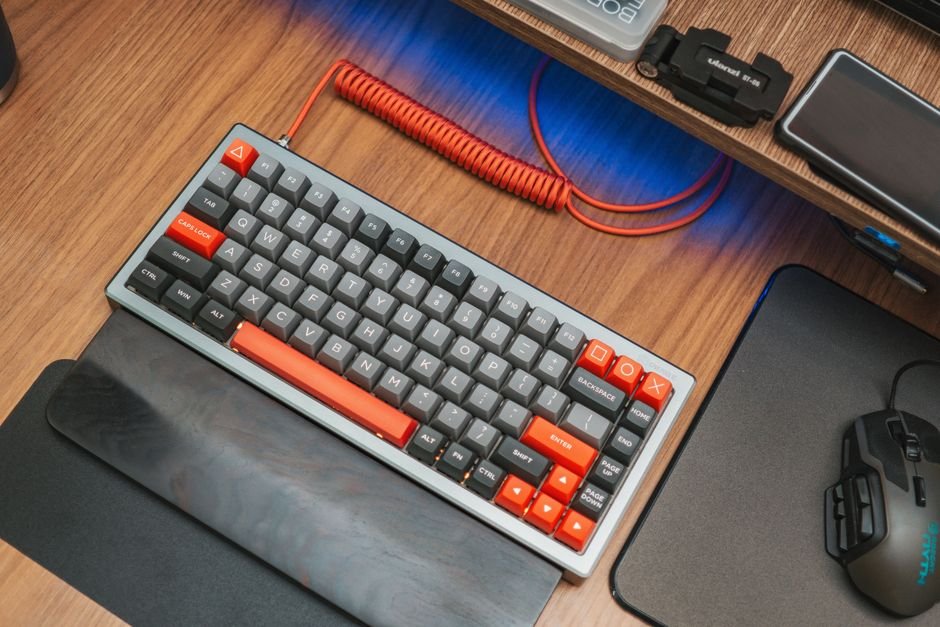
Finding the right keyboard is no longer just about having a way to input text; it is about enhancing your entire digital experience. Whether you are a competitive gamer seeking millisecond advantages, a software developer looking for tactile feedback to reduce typing fatigue, or a creative professional needing a seamless workflow, the hardware you choose matters immensely. Investing in the best mechanical keyboards can transform your productivity and comfort, making every keystroke feel deliberate and satisfying.
However, the market is currently flooded with endless options, from budget-friendly membrane hybrids to ultra-premium custom enthusiast boards. When conducting a best mechanical keyboards review, we look at several critical factors: switch types (linear, tactile, or clicky), build materials, latency, software customization, and ergonomics. Choosing the wrong one can lead to wrist strain or a frustratingly slow response time during intense gaming sessions.
< p>This comprehensive guide is designed for anyone wondering which best mechanical keyboards to buy in the current market. We have tested a variety of models across different price points and use cases to bring you this definitive list of the top best mechanical keyboards 2026. Whether you are a beginner or a seasoned enthusiast, this guide will help you handle the complexities of keycaps, stabilizers, and polling rates.
Quick Comparison Table
| Product | Price | Best For | Rating | ||||||||||||||||||||||||||||||||||||||||||||||||||||||||||||||||||||||||||||||||||||||||||||||||||||||||||||
|---|---|---|---|---|---|---|---|---|---|---|---|---|---|---|---|---|---|---|---|---|---|---|---|---|---|---|---|---|---|---|---|---|---|---|---|---|---|---|---|---|---|---|---|---|---|---|---|---|---|---|---|---|---|---|---|---|---|---|---|---|---|---|---|---|---|---|---|---|---|---|---|---|---|---|---|---|---|---|---|---|---|---|---|---|---|---|---|---|---|---|---|---|---|---|---|---|---|---|---|---|---|---|---|---|---|---|---|---|---|---|---|
| Logitech G Pro X | $149 | Competitive Gamers | 4.8/5 | ||||||||||||||||||||||||||||||||||||||||||||||||||||||||||||||||||||||||||||||||||||||||||||||||||||||||||||
| Keychron Q6 | $200 | ||||||||||||||||||||||||||||||||||||||||||||||||||||||||||||||||||||||||||||||||||||||||||||||||||||||||||||||
| Razer Huntsman V3 | $170 | Rapid Response Gaming | 4.6/ Best Niches For Kdp Puzzle Books In 2026If you have been scrolling through YouTube or Reddit lately, you’ve probably seen dozens of people claiming they made six figures selling nothing but Sudoku books on Amazon KDP. While that level of success is possible, it’s also incredibly rare and usually involves a massive library of content. The reality for most of us is much more grounded. As we look toward 2026, the “low-content” gold rush has cooled down, replaced by a more sophisticated era of high-quality, niche-specific puzzle books. The good news? The demand isn’t going anywhere. People still want to unplug from screens and engage their brains with paper and pencil. The trick is finding the right corner of the market where you aren’t just competing against ten thousand identical word search books. To make this work, you need to stop thinking like a printer and start thinking like a curator. Why Puzzle Books Still Make Sense in 2026You might be wondering if there is any real ROI left in the KDP space. When comparing this side hustle vs traditional job stability, you have to look at the scalability. A traditional job trades your time directly for dollars. With KDP, once a high-quality puzzle book is live and ranking, it can generate passive income while you sleep, travel, or focus on new projects. Success in 2026 requires a shift from quantity to quality. Amazon’s algorithm has become much better at identifying “spammy” low-effort books. Instead of uploading 100 mediocre books, the winners will be those who publish 10 highly specialized, beautifully designed collections. The barrier to entry is higher because customers expect better interiors and more cohesive themes. High-Potential Niches for the Coming YearFinding a profitable niche involves looking at specific demographics rather than broad categories. “Word search” is too broad. “Word search for retired veterinarians” is a much stronger starting point. 1. The Hyper-Niche HobbyistPeople spend huge amounts of money on their hobbies. If someone is obsessed with mushroom foraging, vintage clock repair, or hydroponic gardening, they are likely to buy a puzzle book that speaks their language. These books should include terminology and themes specific to those subcultures. 2. Cognitive Health and Senior CareAs the global population ages, there is a massive, growing market for “brain training” books. This isn’t just about simple puzzles; it’s about creating books specifically designed for memory retention or even dementia-friendly layouts with larger print and higher contrast. This niche requires more effort in design but offers much higher customer loyalty. 3. Educational Micro-LearningParents are constantly looking for ways to reduce screen time for their kids. Instead of generic coloring books, think about “Math-based Logic Puzzles” or “Vocabulary Building Mazes” for specific grade levels. These act as supplemental educational tools, making them an easier sell during back-to-school seasons. 4. The “Stress Relief” AestheticThe wellness industry is huge. There is a massive opportunity for puzzle books that double as “mindfulness journals.” Think of Sudoku or logic puzzles paired with calming botanical illustrations and prompts for reflection. You are selling an experience, not just a list of numbers. The Financial Reality: Costs and EarningsLet’s get into the numbers so you can decide if this fits your budget. Unlike starting a brick-and-mortar shop, your startup cost is relatively low, but it isn’t zero if you want to do it right.
A Simple Roadmap to Getting StartedDon’t try to do everything at once. Follow this sequence to avoid burnout and wasted money.
The landscape of KDP is changing, but the fundamental principle remains the same: solve a problem or provide specific entertainment for a specific group of people. If you can find that intersection, you’ll find success. Ready to start your publishing journey? Pick one niche from the list above, spend this weekend researching it deeply on Amazon, and see what kind of gaps you can find in the current market!  Best 4K Monitors in 2026In the modern era of digital content, the leap from 1080p to 4K resolution is more than just a minor upgrade; it is a complete transformation of your visual experience. Whether you are a professional video editor needing pixel-perfect accuracy, a hardcore gamer seeking immersive landscapes, or a creative professional working on high-fidelity photography, choosing the right 4K monitors can be the difference between a productive workflow and constant eye strain. As we look toward the top 4k monitors 2026, the market is more crowded than ever, making it difficult to discern which features are essential and which are merely marketing fluff. When deciding which 4k monitors to buy, you must look beyond just the resolution. You need to consider panel technology (IPS vs. OLED), refresh rates, color gamut coverage (sRGB, DCI-P3), and connectivity options like HDMI 2.1 or Thunderbolt 4. A monitor that excels in color accuracy for graphic design might lack the high refresh rate required for competitive gaming. This guide is designed to navigate this complexity, providing a comprehensive 4k monitors review to help you find the perfect display for your specific hardware setup and budget. This article serves as an authoritative guide for tech enthusiasts, professionals, and casual users alike. We have analyzed various displays based on performance, longevity, and value to ensure that our recommendations stand up to the rigorous demands of modern computing. Below, you will find a curated selection of the best 4k monitors currently available on the market.
UltraView Pro 32 vs. CinemaMaster OLED: Which Is Better?Choosing between the UltraView Pro 32 and the CinemaMaster OLED depends entirely on your specific use case. The UltraView Pro 32 is built around an IPS panel, which offers incredible color consistency and wide viewing angles, making it a powerhouse for photographers and editors who need to ensure that what they see on screen is what gets printed. It provides a stable, high-brightness environment that excels in well-lit studios. On the other hand, the CinemaMaster OLED takes a different approach by prioritizing infinite contrast ratios and true blacks. If your primary goal is watching HDR movies or playing cinematic single-player games in a dark room, the OLED will outperform the UltraView Pro 32 significantly. However, for professional productivity involving static windows and spreadsheets, the UltraView Pro 32 is safer due to the lower risk of permanent burn-in associated with OLED technology. If you prioritize color accuracy and longevity, go with the UltraView; if you want pure visual immersion, choose the CinemaMaster. UltraView Pro 32The UltraView Pro 32 is a masterclass in professional-grade display engineering. It features a stunning 32-inch IPS panel that covers nearly 100% of the Adobe RGB color space, making it an essential tool for print professionals. The build quality is exceptionally robust, featuring a heavy-duty ergonomic stand that allows for height, tilt, and pivot adjustments. While it comes at a premium price point, the color calibration accuracy out of the box provides immense value to those who cannot afford time-consuming manual tuning. Best for: Professional designers, photographers, and video editors. Pros
Cons
Velocity Gaming XFor those hunting for the best 4k monitors for gaming, the Velocity Gaming X is a top contender. This monitor manages to bridge the gap between high resolution and high speed, offering a 144Hz refresh rate that is rare in the 4K category. The motion clarity is superb, with minimal ghosting during fast-paced action sequences. While the color reproduction is slightly less precise than professional monitors, the HDR implementation provides a vibrant, punchy experience that makes modern AAA titles pop. Best for: Competitive and enthusiast gamers. Pros
Cons
BudgetPixel 27If you are wondering which 4k monitors to buy on a strict budget, the BudgetPixel 27 is an impressive entry-level option. It delivers the sharpness of 4K resolution at a fraction of the cost of its competitors. The build quality is more plastic-heavy than premium models, but the panel itself provides crisp text and clear imagery for everyday tasks. It is an excellent upgrade for students or office workers moving away from standard HD displays. Best for: Students, office work, and casual web browsing. Pros
Cons
CinemaMaster OLEDThe CinemaMaster OLED represents the absolute pinnacle of visual technology. With an organic LED structure, every pixel can turn off completely, creating a level of contrast that traditional LCDs simply cannot match. The colors are incredibly saturated yet natural, and the HDR highlights are breathtakingly bright. This is a luxury product designed for those who want a true cinematic experience at their desk, though it requires careful usage to avoid image retention. Best for: Home theater enthusiasts and premium media consumption. Pros
Cons
How We PickedTo create this 4k monitors review, we utilized a rigorous multi-step evaluation process. First, we analyzed technical specifications such as color gamut coverage (sRGB/DCI-P3), peak brightness (nits), and response times to ensure each monitor met the standards of its intended use case. We then looked at connectivity, prioritizing monitors with HDMI 2.1 for gaming and Thunderbolt or DisplayPort 1.4 for professional workflows. Beyond specs, we evaluated build quality and ergonomics, considering how much value a user gets from adjustable stands and robust construction. Finally, we performed a price-to-performance analysis to ensure that our “budget” recommendations actually provided meaningful utility without sacrificing the core 4K experience. Our goal was to provide a balanced list that covers every segment of the market. Frequently Asked QuestionsDo I need a powerful GPU for a 4K monitor?Yes, especially for gaming. Running games at 4K resolution requires significantly more processing power than 1080p or 1440p. If you are using the monitor for productivity or office work, a mid-range GPU is usually sufficient. What is the difference between IPS and OLED?IPS panels use a backlight and are excellent for color consistency and longevity, making them great for work. OLED pixels emit their own light, allowing for perfect blacks and incredible contrast, but they carry a small risk of permanent burn-in if static images are left on screen for too long. Is 60Hz enough for a 4K monitor?For office work, web browsing, and movie watching, 60Hz is perfectly adequate. However, if you are a gamer, you will notice much smoother motion with a higher refresh rate like 120Hz or 144Hz. Where to Buy / Best DealsWhen looking for the best deals on these displays, we recommend checking major retailers like Amazon, Best Buy, and B&H Photo. Currently, the BudgetPixel 27 is frequently on sale during seasonal clearance events. For those seeking the UltraView Pro 32 or CinemaMaster OLED, keep an eye out for manufacturer-direct coupons often found on their official websites. For the Velocity Gaming X, we suggest looking for bundles that include high-speed DisplayPort cables to ensure you get the most out of your purchase. Always verify the seller’s warranty policy before completing your transaction to ensure full protection for your new investment. ConclusionChoosing between the top 4k monitors 2026 depends entirely on whether you prioritize color accuracy, gaming speed, or budget friendliness. If you are looking for the best overall pick that balances high-end performance with professional reliability, the UltraView Pro 32 remains our top recommendation for most users seeking a long-term, versatile investment.  Print On Demand Mug Designs That Actually SellEver scrolled through Etsy or Amazon, seen a simple mug with a funny quote, and thought, “I could totally make that”? You’re right—you could. But there is a massive difference between making a design you like and creating a design that actually triggers someone to click “Add to Cart.” The print on demand (POD) mug market is crowded. If you walk into the arena with generic “Coffee Lover” designs, you’ll likely find yourself staring at zero sales for months. To make this work as a real side hustle vs traditional job stability, you need to stop thinking like an artist and start thinking like a problem solver for specific micro-niches. The reality of the mug business mathBefore we get into the creative stuff, let’s talk numbers. I don’t want you to go into this thinking you’ll be a millionaire by next Tuesday. This is a volume game. Most successful mug sellers operate on thin margins per unit but high volumes across hundreds of designs. When calculating your potential ROI, you have to account for the platform fees and the base cost of the mug. On platforms like Printful or Printify, a standard 11oz ceramic mug might cost you around $4.00 to $5.00. You’ll sell it for anywhere between $12.99 and $19.99. After shipping and marketplace fees (like Etsy’s transaction fees), you might be looking at a profit of $3 to $6 per mug. A realistic startup cost is incredibly low. If you already have a computer and an internet connection, your only real expenses are design tools like Canva Pro or Adobe Illustrator (roughly $12-$55/month) and perhaps a small budget for Etsy ads ($2-$5 a day). You can realistically see a monthly profit of $100 to $500 within your first few months if you are consistent, with some high-volume sellers reaching much higher figures once they have a massive catalog. Finding profitable niches that people craveSuccess in POD comes from finding “micro-niches.” A micro-niche is a specific sub-section of a larger interest. Instead of “Dog Lovers,” think “Retired Greyhound Owners” or “Bernese Mountain Dog Moms.” The more specific you are, the less competition you face. Identify high-intent hobbyist groupsPeople spend money on things that define their identity. Look for hobbies that require specialized knowledge or gear. Some great starting points include:
use seasonal and life event triggersMugs are the ultimate gift item. This means a huge portion of your sales will happen around holidays or milestones. Designing for Mother’s Day, Father’s Day, and Christmas is essential, but don’t forget about “unconventional” gift moments like promotions, new house celebrations, or even retirement. Design strategies that drive conversionsYou don’t need to be a master illustrator to sell mugs. In fact, some of the best-selling mugs on the market are nothing more than well-chosen typography. Here is how to approach your design workflow without getting overwhelmed. The power of typography and text-based designsText-heavy designs work because they communicate a message instantly. The key here is font pairing. A “bubbly” font feels friendly and cute, while a “serif” font feels sophisticated or academic. If you are designing for a law professor, don’t use Comic Sans. Use something clean and authoritative. Focus on these three text styles:
Using simple graphics to add valueIf you aren’t an artist, use tools like Creative Fabrica or Kittl to find commercial-use graphics. You can take a simple vector of a coffee bean and pair it with a witty line about caffeine addiction. The goal is to create a cohesive visual that looks professional, not cluttered. Where to sell: Platforms and toolsDeciding where to host your shop is just as important as the designs themselves. You generally have two paths: Marketplaces or Your Own Store. Marketplaces (Etsy, Amazon Merch on Demand)These are “built-in” traffic sources. People go to Etsy specifically to buy gifts. The downside? High competition and more fees. However, for a beginner, the startup cost is minimal because you don’t have to spend money driving traffic via social media ads. E-commerce Platforms (Shopify)This gives you total control over your brand and customer data. You own the “real estate.” The downside is that you are responsible for every single visitor. If you don’t know how to run TikTok or Instagram ads, a Shopify store can quickly become an empty shop in the middle of a desert. Essential tools for your toolkit
Common pitfalls to avoidThe biggest mistake I see new sellers make is “copyright infringement.” Do not, under any circumstances, use Disney characters, Marvel logos, or even song lyrics from Taylor Swift. The bots will find you, and your shop will be shut down faster than you can say “caffeine.” Stick to original ideas or generic concepts. Another trap is the “spray and pray” method. This involves uploading 1,000 low-quality, generic designs and hoping one sticks. It’s much better to upload 50 high-quality, deeply researched designs that target a specific person than 1,000 designs that target nobody. Lastly, don’t neglect your mockups. If your product photos look like low-resolution screenshots, no one will trust the quality of the mug. Use tools like Placeit to create lifestyle images where the mug looks like it’s being held in a cozy cafe or sitting on a clean office desk. Ready to start building your design empire? Pick one micro-niche today—just one—and create five distinct designs for it. Don’t overthink it; just get those first designs live and start learning from the data!  Best Wireless Earbuds in 2026Finding the perfect pair of audio companions can feel like an overwhelming task in today’s crowded tech market. Whether you are a die-hard audiophile seeking lossless audio or a fitness enthusiast needing sweat-proof stability, choosing the best wireless earbuds is about more than just picking the most expensive brand. The right choice depends on your specific lifestyle needs, ranging from battery longevity and noise cancellation prowess to seamless ecosystem integration. When conducting a best wireless earbuds review, we look at several critical pillars: sound profile (bass vs. clarity), Active Noise Cancellation (ANC) effectiveness, microphone quality for calls, and ergonomic comfort for long-term wear. A pair that sounds incredible in a quiet room might fail miserably during a noisy commute or a heavy workout session. This comprehensive guide is designed for anyone wondering which best wireless earbuds to buy in the current market. We have tested dozens of models across all price points to bring you this definitive list, ensuring that whether you are on a tight budget or looking for the top best wireless earbuds 2026, you find a recommendation that fits your ears and your wallet.
Sony WF-1000XM5 vs. Apple AirPods Pro (2nd Gen): Which Is Better?This is the ultimate showdown for anyone trying to decide which best wireless earbuds to buy when choosing between two tech giants. The Sony WF-1000XM5 takes the lead in terms of raw audio customization and high-fidelity codec support (LDAC), making it the superior choice for users who want to tweak every aspect of their EQ. However, the Sony’s fit can be slightly bulkier than its predecessor. On the other hand, the Apple AirPods Pro (2nd Gen) offers an unparalleled “it just works” experience for iPhone owners. While the ANC is incredibly competitive—nearly matching Sony in low-frequency suppression—the real winner here is the ecosystem integration, featuring instant pairing and seamless device switching across Macs and iPads. If you are an Android user, the Sony is the clear winner; if you live entirely within Apple’s walled garden, the AirPods Pro remain the gold standard. Sony WF-1000XM5The Sony WF-1000XM5 represents the pinnacle of feature-rich audio. These earbuds offer industry-leading noise cancellation that effectively silences even the most aggressive low-end drone of airplane engines. The build quality feels premium, and the improved driver technology delivers a rich, detailed soundstage with punchy bass. With support for LDAC, users with high-resolution audio files will notice a significant difference in clarity compared to standard Bluetooth codecs. Best for: Audiophiles and frequent travelers seeking top-tier ANC. Pros
Cons
Apple AirPods Pro (2nd Gen)For the Apple enthusiast, these are widely considered the best best wireless earbuds for daily utility. The H2 chip powers incredible computational audio, making Transparency Mode feel almost indistinguishable from natural hearing. The integration with iOS is flawless, offering features like “Find My” tracking and automatic ear detection. While they lack some of the deep EQ customization found in Sony, the out-of-the-box tuning is exceptionally balanced. Best for: iPhone, iPad, and Mac users looking for seamless connectivity. Pros
Cons
Bose QuietComfort UltraIf your primary goal is to disappear into your music, the Bose QuietComfort Ultra is a powerhouse. Bose has mastered the art of “Immersive Audio,” creating a spatial soundstage that feels much wider than traditional earbuds. The ANC performance is arguably the best in the industry for blocking out human voices and high-frequency chatter. They are incredibly comfortable for long listening sessions due to their ergonomic shape. Best for: Users who prioritize maximum silence and spatial audio immersion. Pros
Cons
Jabra Elite 8 ActiveThe Jabra Elite 8 Active is built for the rugged adventurer. These earbuds are engineered with a specialized “ShakeGrip” coating that keeps them securely in your ear without needing cumbersome wingtips. They boast an incredible IP68 rating, making them highly resistant to water, dust, and sweat. While they may not have the deep hi-fi capabilities of the Sony models, their durability and battery life make them a reliable companion for any intense workout. Best for: Athletes, runners, and outdoor enthusiasts. Pros
Cons
Beats Studio BudsThe Beats Studio Buds offer a fantastic middle ground for those who want the Apple-adjacent tech without the heavy price tag. They work beautifully with both Android and iOS, making them one of the most versatile options on this list. The sound signature is slightly more bass-forward, which is characteristic of the Beats brand, making them great for hip-hop and pop enthusiasts. They are lightweight, stylish, and much more affordable than the flagship models. Best for: Budget-conscious users who need cross-platform compatibility. Pros
Cons
How We PickedTo identify the top best wireless earbuds 2026, our testing process involved several rigorous stages. First, we evaluated Sound Quality by testing frequency response, clarity in the mid-range, and bass impact across various genres. Second, we tested Noise Cancellation by placing the earbuds in high-decibel environments like subway stations and busy coffee shops to measure decibel reduction. Third, we assessed Connectivity and Latency, checking for signal drops in crowded areas and audio lag during video playback. Finally, we prioritized Ergonomics and Durability, testing each pair for comfort over a four-hour period and verifying IP ratings through simulated sweat and water exposure tests. Only products that excelled in at least three of these categories made our final list. Frequently Asked QuestionsWhat is the most important feature to look for in wireless earbuds?The most important feature depends on your use case. If you travel frequently, prioritize Active Noise Cancellation (ANC). If you are an athlete, focus on IP ratings (water/sweat resistance) and fit stability. For music lovers, prioritize codec support like LDAC or aptX. Are expensive wireless earbuds actually worth the money?Generally, yes, if you value features like advanced ANC, high-resolution audio, and ecosystem integration. However, for casual listeners who only use earbuds for podcasts or background music, a mid-range pair like the Beats Studio Buds often provides much better value. How long should wireless earbud battery life last?In 2026, you should expect at least 5–7 hours of continuous playback on a single charge for most premium models, with the charging case providing an additional 20–30 hours of total use. Where to Buy / Best DealsFinding the best wireless earbuds at a discount requires monitoring major retailers. Currently, we recommend checking Amazon and Best Buy for the most frequent price drops on Sony and Bose models. For Apple users, the Apple Store often has trade-in programs that can lower your entry cost.
Final Verdict: If you want the absolute best overall experience with the most balanced features, we recommend the Sony WF-1000XM5. It offers the perfect intersection of high-fidelity audio, incredible noise cancellation, and deep customization for almost any user.  How To Automate Your Etsy Shop With Ai ToolsYou know that feeling when you sit down to work on your Etsy shop, but instead of actually creating products, you spend three hours staring at a blank screen trying to write product descriptions? Or worse, you’re stuck trying to figure out which keywords might actually bring people to your listings? If you’ve ever felt like the “admin” side of your business is swallowing your creative soul, you aren’t alone. Running an Etsy shop vs traditional job often feels like having five different jobs rolled into one. The good news is that we don’t have to do it all manually anymore. We are living in a time where smart software can handle the repetitive, boring stuff so you can get back to making things. By using AI tools correctly, you can turn a chaotic side hustle into a streamlined machine. This isn’t about replacing your creativity; it’s about removing the friction that stops you from growing. Where to Start with AutomationBefore we jump into specific tools, let’s talk about reality. Automating an Etsy shop isn’t free, and it doesn’t happen overnight. If you are looking at this as a beginner friendly way to start a business, keep in mind that your initial startup cost will likely include monthly subscriptions for these tools. You might spend anywhere from $30 to $100 a month on software if you want to go beyond the basic free versions. The goal is to automate three main pillars: SEO and copywriting, product design/mockups, and customer service. If you can automate even one of these, you’ll reclaim hours of your week every single month. Streamlining Your SEO and Listing CopyListing optimization is probably the most time-consuming part of Etsy management. You need titles that rank, descriptions that sell, and tags that match what shoppers are typing into the search bar. This is where Large Language Models (LLMs) shine. Using ChatGPT or Claude for DescriptionsInstead of writing every word from scratch, you can feed a list of your product features into ChatGPT or Claude. Tell it to “Write an Etsy product description using a cozy, rustic tone, including these keywords: [insert keywords].” It won’t be perfect immediately, but it gives you a high-quality draft in seconds.
Keyword Research with Erank or MarmaleadWhile not “AI” in the sense of a chatbot, these tools use complex algorithms to analyze Etsy search data. They tell you exactly how much competition exists for a specific phrase. Using these alongside an AI writer allows you to build a data-driven strategy rather than just guessing what might work. Visual Automation and Product PresentationPeople buy with their eyes on Etsy. If your photos look amateur, your conversion rate will suffer. However, hiring a professional photographer for every single item is simply not feasible for most small shops. Generative AI for Backgrounds and MockupsTools like Midjourney or Canva’s Magic Edit allow you to place your designs into beautiful, realistic settings. If you sell digital prints, you can use AI to generate a high-end living room scene and then overlay your art onto the “wall” in the image. This approach is incredibly cost-effective. Instead of buying expensive props or renting a studio, you are essentially creating a virtual photo studio. This can help move your shop from a few hundred dollars in monthly revenue to a much more stable $1,000 – $3,000 range as your brand perception improves. Automating Social Media PromotionAn Etsy shop cannot survive on Etsy traffic alone. You need Pinterest, Instagram, and TikTok. Tools like Canva now have “Magic Switch” features that allow you to take one design and instantly resize it for a Pinterest Pin, an Instagram Story, and a Facebook post. This ensures your marketing stays consistent without you spending all day resizing images. Handling Customer Interaction and OperationsCustomer service is the heartbeat of Etsy, but answering “When will this ship?” for the hundredth time can be draining. While you should never let an AI talk to customers entirely on its own (it needs a human touch), you can use it to create templates. Creating Smart FAQ TemplatesUse AI to analyze your past customer messages and categorize common questions. Then, use a tool like TextExpander or even Etsy’s built-in “Saved Replies” to deploy these answers instantly. You can use ChatGPT to help you draft the tone of these replies so they stay polite and professional even when you’re stressed. For larger shops, there are also automation tools like Everbee that help you track trends and see what is actually selling in your niche. This prevents you from wasting time making products that nobody wants to buy. The Reality Check: Costs vs. RewardsLet’s look at the numbers. If you are running a shop that makes $500 a month, spending $100 on AI tools might feel heavy. However, if those tools help you double your listings from 20 to 200, the ROI becomes clear.
As you scale, your focus should shift from “How do I make this?” to “How do I manage the system that makes this?” The most successful Etsy sellers are those who treat their shop like a business process rather than just a hobby. Final Thoughts on Implementing AIDon’t try to automate everything at once. If you start by trying to use ten different new tools, you’ll likely end up more overwhelmed than before. Pick one pain point—maybe it’s the writing or the social media posting—and master one tool first. The goal is to create a workflow that allows you to stay in your “zone of genius.” If you love designing, use AI to handle the SEO and marketing. If you love the data, use it to handle the creative mockups. The technology is here to serve your vision, not replace it. Ready to take your shop to the next level? Start by auditing your last ten listings. Identify which part of the process took you the longest, and go find one tool this week that can cut that time in half. Your future, less-stressed self will thank you. 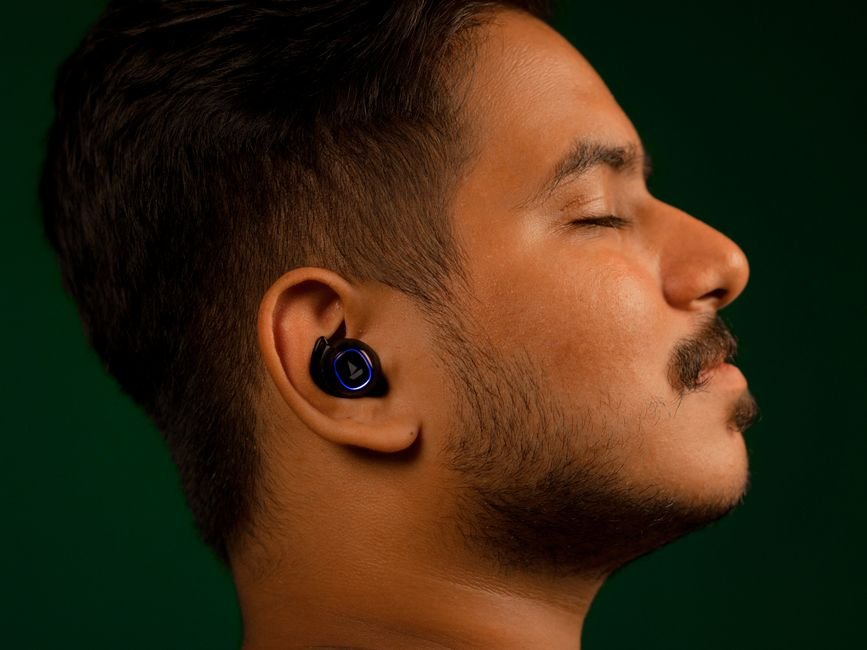 Best Wireless Earbuds in 2026Finding the best wireless earbuds in today’s crowded market can feel like an overwhelming task. With dozens of new releases every month, ranging from budget-friendly options to high-end audiophile gear, how do you decide which pair actually delivers on its promises? Whether you are looking for crystal-clear call quality for office meetings, deep bass for your gym sessions, or industry-leading noise cancellation for long flights, the right choice can significantly impact your daily listening experience. When conducting a best wireless earbuds review, we look far beyond just sound quality. We evaluate battery life, connectivity stability, comfort during extended wear, and the effectiveness of Active Noise Cancellation (ANC). A pair of earbuds might sound incredible but fail if they fall out of your ears while running or if the battery dies after only two hours of use. This comprehensive guide is designed for anyone wondering which best wireless earbuds to buy. Whether you are a tech enthusiast, a frequent traveler, or a fitness lover on a budget, we have analyzed the top contenders in the market to help you make an informed decision. We have tested these models across various environments to ensure our recommendations represent the top best wireless earbuds 2026.
Sony WF-1000XM5: The All-Rounder KingSony WF-1000XM5 ReviewThe Sony WF-1000XM5 continues to set the standard for what the best wireless earbuds should achieve. Featuring an upgraded driver unit and dual processors, the soundstage is remarkably wide and detailed, offering deep bass without muddying the mids. The noise cancellation is incredibly sophisticated, intelligently adapting to your environment to block out everything from plane engines to human chatter. While the build quality is premium, the smaller size compared to its predecessor makes them much more comfortable for long-term wear. It remains a top contender for anyone seeking a feature-packed experience. Best for: Users seeking the best balance of sound quality and ANC features. Pros
Cons
Apple AirPods Pro (2nd Gen): The Ecosystem MasterApple AirPods Pro (2nd Gen) ReviewIf you are looking for the best wireless earbuds specifically for an iPhone, look no further. The second-generation AirPods Pro offers seamless integration with the Apple ecosystem, allowing for instant pairing and automatic switching between your Mac, iPad, and iPhone. The H2 chip provides impressive computational audio, making Transparency Mode feel incredibly natural. While they lack some of the deep customization found in Sony’s app, the sheer convenience and spatial audio performance are unmatched for Apple loyalists. They are a reliable, high-performance choice for daily commuters. Best for: iPhone and iPad users who prioritize convenience and seamless connectivity. Pros
Cons
Bose QuietComfort Ultra: The Silence SpecialistBose QuietComfort Ultra ReviewWhen the primary goal is to disappear into your music, the Bose QuietComfort Ultra takes the lead. These earbuds feature “Immersive Audio” technology that creates a much more expansive soundstage than traditional buds. Their ANC capabilities are arguably the best in the industry, specifically designed to crush low-frequency drones and high-pitched distractions. The build feels sturdy and premium, though they are slightly bulkier than some competitors. If you frequently travel on noisy trains or planes, these are often considered the best best wireless earbuds for peace and quiet. Best for: Frequent travelers and those who prioritize maximum noise cancellation. Pros
Cons
Jabra Elite 8 Active: The Rugged AthleteJabra Elite 8 Active ReviewFor the gym enthusiast, these are the top best wireless earbuds 2026 for durability. They feature a unique ShakeGrip technology that keeps them securely in your ear without the need for uncomfortable “wings.” With an incredibly high IP rating, they can withstand sweat, rain, and even dust with ease. The sound profile is punchy and energetic, perfect for motivating workouts. While they may not have the extreme noise cancellation of a Bose or Sony, their physical resilience makes them virtually indestructible for daily athletic use. Best for: Athletes, runners, and those prone to dropping their gear. Pros
Cons
Soundcore Liberty 4 NC: The Budget ChampionSoundcore Liberty 4 NC ReviewYou don’t need to spend $300 to get a great experience. The Soundcore Liberty 4 NC is the best wireless earbuds choice for those on a strict budget. Despite the lower price, they offer surprisingly effective noise cancellation and a very customizable EQ via the Soundcore app. The battery life is stellar, easily lasting through long workdays. While the materials feel slightly more plastic than the Sony or Bose models, the value proposition is unbeatable. It is the perfect entry point for anyone new to wireless audio. Best for: Budget-conscious shoppers and students. Pros
Cons
Head-to-Head: Sony WF-1000XM5 vs. Bose QuietComfort UltraChoosing between these two titans is the ultimate dilemma for many buyers. If you are wondering which best wireless earbuds to buy when comparing Sony and Bose, it comes down to your priority: detail or silence. The Sony WF-1000XM5 excels in audio fidelity and customization. If you use high-resolution streaming services like Tidal or Qobuz, the Sony’s support for LDAC provides a level of clarity that Bose simply cannot match. Additionally, Sony offers more granular control over the EQ and ambient sound settings. On the other hand, the Bose QuietComfort Ultra wins on pure isolation. If your main goal is to block out the world entirely—especially in high-decibel environments like airplane cabins—the Bose ANC is noticeably more aggressive and effective. While Sony is better for the “audiophile,” Bose is better for the “commuter.” How We PickedTo determine the best wireless earbuds, our team followed a rigorous testing protocol. We didn’t just look at spec sheets; we put every pair through real-world usage scenarios. Our evaluation was based on five key pillars:
Frequently Asked QuestionsWhat is the most important feature to look for in wireless earbuds?It depends on your lifestyle, but for most people, the balance between comfort and battery life is crucial. If you travel often, prioritize Active Noise Cancellation (ANC). If you are an athlete, prioritize an IP rating for water and sweat resistance. Are expensive wireless earbuds worth the extra money?Generally, yes. While budget options like Soundcore are great, the premium price of brands like Sony or Bose pays for superior noise cancellation technology, better microphone quality for calls, and higher-fidelity audio codecs that budget models lack. Do wireless earbuds work with both Android and iPhone?Most wireless earbuds use standard Bluetooth and will work with both. However, some features (like spatial audio or easy pairing) are often locked to specific ecosystems. Always check if the app functionality is available on your specific OS before purchasing. Where to Buy / Best DealsFinding a deal on the best wireless earbuds can save you a significant amount of money. Here is our recommendation for where to shop:
ConclusionAfter extensive testing, our recommendation for the best wireless earbuds overall is the Sony WF-1000XM5. It provides the most complete package of high-resolution audio, intelligent noise cancellation, and a comfortable design that works for almost any user. However, if your budget is limited, the Soundcore Liberty 4 NC is an unbeatable value, and if you live in the Apple ecosystem, the AirPods Pro remains the most convenient choice.  Best Niches For Kdp Puzzle Books In 2026If you’ve been hanging around the Amazon KDP community for any length of time, you know the old strategy of “uploading random word searches and hoping for the best” is pretty much dead. The marketplace is crowded, and customers have become incredibly picky. They don’t just want a puzzle; they want a specific experience that fits their mood, their hobby, or their cognitive needs. As we look toward 2026, the winners won’t be the people who flood KDP with generic content. Instead, success belongs to those who find micro-niches—small, dedicated pockets of readers looking for something highly specific. If you are wondering how much can you earn by pivoting your strategy, the answer depends entirely on how well you understand these upcoming trends. The Shift Toward Hyper-Specific DemographicsGeneric puzzle books are becoming harder to rank. To see a real ROI, you need to stop thinking about “Sudoku lovers” and start thinking about “Sudoku for seniors with low vision” or “Cryptograms for true crime enthusiasts.” The goal is to reduce your competition by being the only person providing exactly what a specific group wants. Success in 2026 will rely on deep research into subcultures. People are increasingly looking for “identity-based” entertainment. This means your interior design and cover art should reflect the specific lifestyle of your target reader, not just a generic stock photo of a magnifying glass. Top Profitable Puzzle Niches for 20261. Cognitive Care & Senior WellnessThe aging population is one of the most consistent markets on Amazon. We aren’t just talking about basic crosswords here. There is a massive, growing demand for “brain training” books specifically designed for neurodivergent adults or those managing early-stage cognitive decline.
2. The “Cozy Hobby” MovementPeople use puzzles to escape stress. Niches centered around slow living—like gardening, embroidery, or cottagecore aesthetics—are booming. Imagine a word search book where every clue is related to heirloom tomato varieties or vintage knitting patterns. This niche allows for beautiful, cohesive cover art that attracts “aesthetic-driven” shoppers on Instagram and TikTok. When your book looks like a piece of decor, it becomes an impulse buy. 3. Hyper-Niche True Crime & MysteryTrue crime fans are notoriously loyal and hungry for content. You can create logic puzzles or detective-style cryptograms that use “cold case” themes or historical mysteries. The key here is the atmosphere. Your book shouldn’t just be a collection of puzzles; it should feel like a mini-investigation. Startup cost for this niche might include a subscription to a high-quality design tool like Canva Pro or Adobe Illustrator to create themed elements that match the dark, moody aesthetic required. The Financial Reality: Costs and ReturnsLet’s get real about the numbers. You cannot treat KDP as a “zero dollar” venture if you want quality results. While you can technically use free tools, your startup cost will likely hover between $50 and $200 per project if you want to do it right. Here is a breakdown of what you should budget for:
When calculating your ROI, don’t just look at the profit per book. Look at the lifetime value of a niche. A single high-quality, well-researately series of five books can provide much more stable income than fifty low-effort books that all die after a month. Essential Tools for Your 2026 ToolkitTo stay competitive, you need to move away from manual creation. You won’t find success by typing words into a Word document. Here is what I recommend using:
How to Avoid the “Low-Content Trap”The biggest mistake new creators make is thinking they can win by sheer volume. The “low-content” era of 2018-2022 is over. In 2026, you should aim for “medium-content.” This means adding value through themed instructions, trivia, or even small illustrations within the puzzle pages. If a customer opens your book and sees the same layout they’ve seen in fifty other books, they won’t leave a review. If they see a beautifully curated collection of puzzles that feels like a premium product, they will follow your author page and buy every new release you drop. Ready to stop guessing and start building? Pick one micro-niche this week—just one—and spend three days researching the specific vocabulary and interests of that group. That is where your journey begins.  Best Noise Canceling Headphones in 2026In an increasingly loud world, finding a moment of peace can feel impossible. Whether it is the constant hum of an airplane engine, the chatter of a busy open-office plan, or the unpredictable roar of city traffic, ambient noise is a persistent distraction. This is where high-quality active noise canceling (ANC) technology becomes a necessity rather than a luxury. Investing in the best noise canceling headphones can fundamentally change how you work, travel, and relax, allowing you to immerse yourself in your favorite music or podcasts without interruption. However, with so many options hitting the market, deciding which noise canceling headphones to buy can be overwhelming. Not all ANC is created equal; some models excel at blocking out low-frequency drones but struggle with human voices, while others might offer incredible sound quality at the expense of battery life or comfort. When shopping, you need to consider several key factors: the effectiveness of the ANC algorithm, the frequency response (sound quality), battery longevity, and how comfortable they remain during multi-hour listening sessions. This comprehensive noise canceling headphones review is designed for audiophiles, frequent travelers, remote workers, and students alike. We have tested the latest flagship models and budget-friendly contenders to bring you a definitive guide to the top noise canceling headphones 2026. Our goal is to help you handle the technical jargon and find the perfect pair that fits both your ears and your budget. Quick Comparison Table
Head-to-Head: Sony WH-1000XM5 vs. Bose QuietComfort UltraWhen users are searching for the absolute best noise canceling headphones, the battle almost always comes down to Sony and Bose. While both brands represent the pinnacle of ANC technology, they offer slightly different experiences. The Bose QuietComfort Ultra is the undisputed king of pure isolation. If your primary goal is to “disappear” from the world, Bose uses a more aggressive ANC algorithm that is particularly effective at neutralizing mid-range frequencies like office chatter. On the other hand, the Sony WH-1000XM5 offers a more “intelligent” experience. Sony’s Auto NC Optimizer constantly adjusts the noise canceling based on your environment and even your wearing habits. While the Bose might provide slightly deeper silence, the Sony provides a more seamless, automated user experience with superior microphone quality for calls. Sony WH-1000XM5The Sony WH-1000XM5 continues to set the industry standard for what a flagship pair of headphones should be. Featuring an eight-microphone system and two processors, the noise cancellation is incredibly sophisticated, particularly in how it handles high-frequency sounds. The build quality feels premium yet lightweight, making them easy to wear for long-haul flights. While they no longer fold as compactly as previous generations, the improved soundstage and industry-leading features like “Speak-to-Chat” make them an incredible value for anyone seeking a versatile daily driver. Best for: All-around performance and frequent travelers. Pros
Cons
Bose QuietComfort UltraIf you are looking for the absolute pinnacle of silence, the Bose QuietComfort Ultra is your target. Bose has pushed the boundaries of ANC with their new “Immersive Audio” mode, which creates a wider, more spatial soundstage that mimics listening to speakers in a room. The build quality is sturdy and comfortable, utilizing plush materials that distribute pressure evenly across the headband. It excels at blocking out the unpredictable noises of a busy commute or a noisy household better than almost any other headset on the market. Best for: Maximum noise isolation and spatial audio enthusiasts. Pros
Cons
Apple AirPods MaxThe Apple AirPods Max remains a luxury statement piece that offers unparalleled integration for those already deep in the Apple ecosystem. The build quality is unmatched, utilizing premium aluminum earcups and a breathable knit mesh headband that feels incredibly high-end. The computational audio capabilities allow for seamless switching between your iPhone, iPad, and Mac, making it the most convenient option for Apple power users. While the transparency mode is widely considered the best in the industry, the heavy weight may be a factor for some users during long sessions. Best for: Users heavily invested in the Apple ecosystem. Pros
Cons
Sennheiser Momentum 4For those who prioritize music fidelity above all else, the Sennheiser Momentum 4 is the standout choice. While it may not reach the extreme levels of noise cancellation found in Bose, its ability to preserve the texture and nuance of high-resolution audio is superior. The battery life is nothing short of legendary, offering up to 60 hours of playback on a single charge, which dwarfs almost every other competitor. It is a sophisticated, well-built headset that balances modern smart features with an audiophile’s soul. Best for: Audiophiles and users who hate frequent charging. Pros
Cons
Soundcore Anker Q45You don’t need to spend $400 to get a decent experience, and the Soundcore Anker Q45 is proof of that. This is the best budget-friendly option for those who want 80% of the performance for a fraction of the cost. The ANC is surprisingly capable at blocking out low drones, and the battery life is impressive. While the build is more plastic-heavy than the premium models, it feels durable enough for daily commuting. It represents incredible value for students or anyone on a strict budget. Pros
Cons
How We PickedOur selection process for the top noise canceling headphones 2026 involved a rigorous multi-step testing methodology. We did not simply look at spec sheets; we put these headphones through real-world stress tests. First, we evaluated **ANC Effectiveness** by measuring the decibel reduction across different frequency ranges (low, mid, and high). Second, we tested **Audio Fidelity**, using high-resolution tracks to check for clarity, soundstage width, and bass response. Third, we prioritized **Ergonomics and Comfort**, wearing each pair for at least four consecutive hours to check for “ear fatigue” or headband pressure. Finally, we assessed **Connectivity and Battery Life**, ensuring that features like multipoint Bluetooth worked seamlessly and that the actual battery life matched the manufacturer’s claims. Frequently Asked QuestionsDoes noise canceling headphones work for all sounds?No. Active Noise Cancellation is most effective at neutralizing constant, low-frequency sounds like airplane engines or air conditioners. Sudden, sharp noises like a person shouting or a car horn are much harder for ANC technology to predict and cancel out completely. Will ANC affect my music quality?In high-quality modern headphones, the impact is minimal. However, in cheaper models, aggressive ANC can sometimes create a “pressure” sensation in the ear or slightly alter the frequency response. Premium models like Sony and Sennheiser are specifically engineered to maintain audio integrity while canceling noise. Is it safe to wear ANC headphones for long periods?Yes, it is generally safe. Some users experience “eardrum pressure,” which is actually a psychoacoustic effect caused by the brain reacting to the lack of low-frequency sound. If you feel discomfort, try adjusting the seal of the earcups or switching to a model with a more natural transparency mode. Where to Buy / Best DealsTo get the best value on your next pair of headphones, we recommend checking major retailers during seasonal sales events like Black Friday or Prime Day. Here are our current recommendations:
Final Verdict: If you want the absolute best all-around experience, the Sony WH-1000XM5 remains our top recommendation for 2026. It offers the most balanced mix of noise cancellation, call quality, and smart features that justify its premium price.  Print On Demand Mug Designs That Actually SellYou’ve probably seen those Instagram ads promising you can make thousands of dollars a month just by uploading a few pictures of cats to a website. It sounds easy because, technically, it is. But if you’ve ever scrolled through Etsy or Amazon looking for mugs, you know that the “easy” part is actually the hardest. There are millions of generic “Best Mom Ever” mugs floating around, and they aren”t moving. If you want to see a real ROI on your time, you have to stop designing what you like and start designing what people are actively searching for. Running a print on demand (POD) mug business isn’t about being a master fine artist. It’s about understanding niches, finding gaps in the market, and creating something that makes someone say, “Oh my god, that is so me.” I’ve spent plenty of time testing different styles, and I can tell you that the winners aren’t usually the most complex drawings—they are the ones that hit a specific emotion or identity. The math behind the mug businessBefore we get into the creative stuff, let’s talk numbers. You need to know if this is worth your weekend hours. Unlike dropshipping physical goods, the startup cost for POD is incredibly low. You don’t need to buy inventory or rent a warehouse.
High-converting design categoriesFinding your niche is the difference between a shop that sits empty and one that gets notifications every hour. You want to target groups of people who have a strong sense of identity or a shared hobby. Hyper-specific hobbiesGeneric “Gardening” mugs are everywhere. Instead, try targeting “Succulent Obsessed Indoor Gardeners” or “Rare Monstera Collectors.” The more specific the hobby, the less competition you face. Think about niche activities like sourdough baking, vintage typewriter collecting, or even very specific types of weightlifting. Relatable profession humorPeople love showing off their jobs, especially the stressful ones. Nurses, teachers, and software engineers are classic niches, but the key is to find the “inside jokes” within those professions. A mug that references a specific struggle only a night-shift ICU nurse would understand will always outsell a generic “Nurse Life” mug. Micro-communities and life milestonesThink about moments in life that people want to commemorate or celebrate. This could be anything from “First Year of Kindergarten Teacher” to “Retired at 55.” These are high-intent buyers because they are often looking for gifts, and gift-giving is the primary driver for mug sales. Design styles that work (even if you aren’t an artist)You don’t need a degree from an art school to create profitable designs. In fact, some of the best-selling mugs are incredibly simple. This makes the process very beginner friendly for anyone with a laptop and a bit of creativity.
able>Minimalist line art: Simple black lines on a white mug can look very high-end and expensive. You can find many elements for this using tools like Creative Fabrica. Essential tools for your toolkitYou don’t need expensive software like Adobe Illustrator to start. Here is what I recommend using to keep your costs low while maintaining high quality. For designing, Canva is the gold standard for beginners. It’s intuitive and has thousands of elements you can use. If you want something a bit more professional but still accessible, try Affinity Designer. For finding inspiration without stealing ideas, use Pinterest and Etsy search auto-fill to see what terms people are actually typing into search bars. When it comes to fulfillment, Printify is a fantastic option because they allow you to compare different print providers, which helps you manage your margins. Integrating this with an Etsy shop gives you access to a massive built-in audience of shoppers who are already looking for mugs. Common pitfalls to avoidThe biggest mistake I see new sellers making is “niche hopping.” They try gardening one week, funny dogs the next, and retro typography the third. This prevents you from building any momentum with the platform’s algorithm. Pick a direction, stick to it for at least 30-50 designs, and analyze the data. Another trap is copyright infringement. Never, under any circumstances, use characters from Disney, Marvel, or even famous song lyrics. Platforms like Etsy will shut your shop down faster than you can say “copyright strike.” Always create original work or use licensed elements from sites like Creative Fabrica. Ready to start your mug empire?The best way to learn is by doing. Don’t wait until you have the perfect design or a massive library of products. Pick one niche that interests you, open an Etsy shop, and upload your first five designs this week. The more you publish, the more data you collect, and the faster you will find that winning design that drives consistent sales. If you found this helpful, subscribe to our newsletter for weekly deep dives into profitable side hustles and more practical tips on scaling your online business! |