You’ve probably seen the ads. Someone sitting on a beach, sipping a latte, claiming they made five figures last month just by uploading a few pictures of cats onto coffee mugs. It sounds too good to be true because, honestly, if it were that easy, everyone would be doing it. But here is the reality: you can absolutely make money with print on demand (POD) mugs, but you won’t do it by uploading random clip art and hoping for the best. You need a strategy centered around specific, high-demand niches and designs that trigger an emotional response.
Unlike a traditional job where you trade hours for a fixed paycheck, POD offers a different kind of ROI on your time. While you won’t get rich overnight, the potential for passive income once a design starts ranking in search results is why so many people are pivoting to this model. If you can master the art of finding what people actually want to buy, you can build a side hustle that runs while you sleep.
The Economics of Mug Selling
Before we get into the creative side, let’s talk numbers. Selling mugs is a low-barrier entry point, making it incredibly beginner friendly. You don’t need to buy 500 units of inventory or rent a warehouse. You only pay for the product after a customer has already paid you.
When calculating your potential profit, you have to look at the margins. A standard 11oz ceramic mug usually costs around $4.00 to $5.00 when using a provider like Printful or Printify. You might sell it for $14.99 to $19.99. After accounting for shipping and platform fees (like Etsy’s transaction fees), you are likely looking at a profit of $3.00 to $7.00 per mug.
Let’s break down the startup requirements:
- Startup Costs: $0 – $50 (Primarily for design tools like Canva Pro or small Etsy listing fees).
- Time Investment: 5-10 hours per week for research, designing, and uploading.
- Realistic Income: Beginners often see $50-$200/month. Established shops with hundreds of high-quality listings can earn $1,000-$3,000+ monthly.
Finding Niches That People Actually Buy
The biggest mistake new sellers make is being too broad. If you create a mug that just says “Coffee Lover,” you are competing with millions of other designs. To win, you need to go three layers deep into a niche. Instead of “Dog Lovers,” think “Retired Greyhound Owners who love Gardening.”
The Power of Micro-Niches
Micro-niches work because they target specific identities. When someone sees a mug that perfectly describes their specific hobby, profession, or quirky personality trait, they feel a “that’s so me” moment. That feeling is what drives the click and the purchase.
Some highly profitable micro-niches include:
- Hyper-specific professions: Not just “Nurse,” but “Night Shift Oncology Nurse.”
- Obscure hobbies: Things like mushroom foraging, vintage typewriter restoration, or urban beekeeping.
- Relatable life stages: New grandmothers, first-time foster parents, or people celebrating 30 years in a specific industry.
Seasonal and Occasion-Based Designs
Mugs are the ultimate gift item. This means your design calendar should revolve around holidays. However, don’0t just focus on Christmas. Think about Teacher Appreciation Week, Mother’s Day, or even graduation season. Designing for these windows allows you to capture massive spikes in search volume.
Design Strategies That Convert
You don’t need to be a professional graphic designer to succeed, but you do need an eye for what looks clean and readable. Most mug sales come from typography-based designs. If the text is hard to read from a thumbnail image, people will keep scrolling.
Typography-First Approach
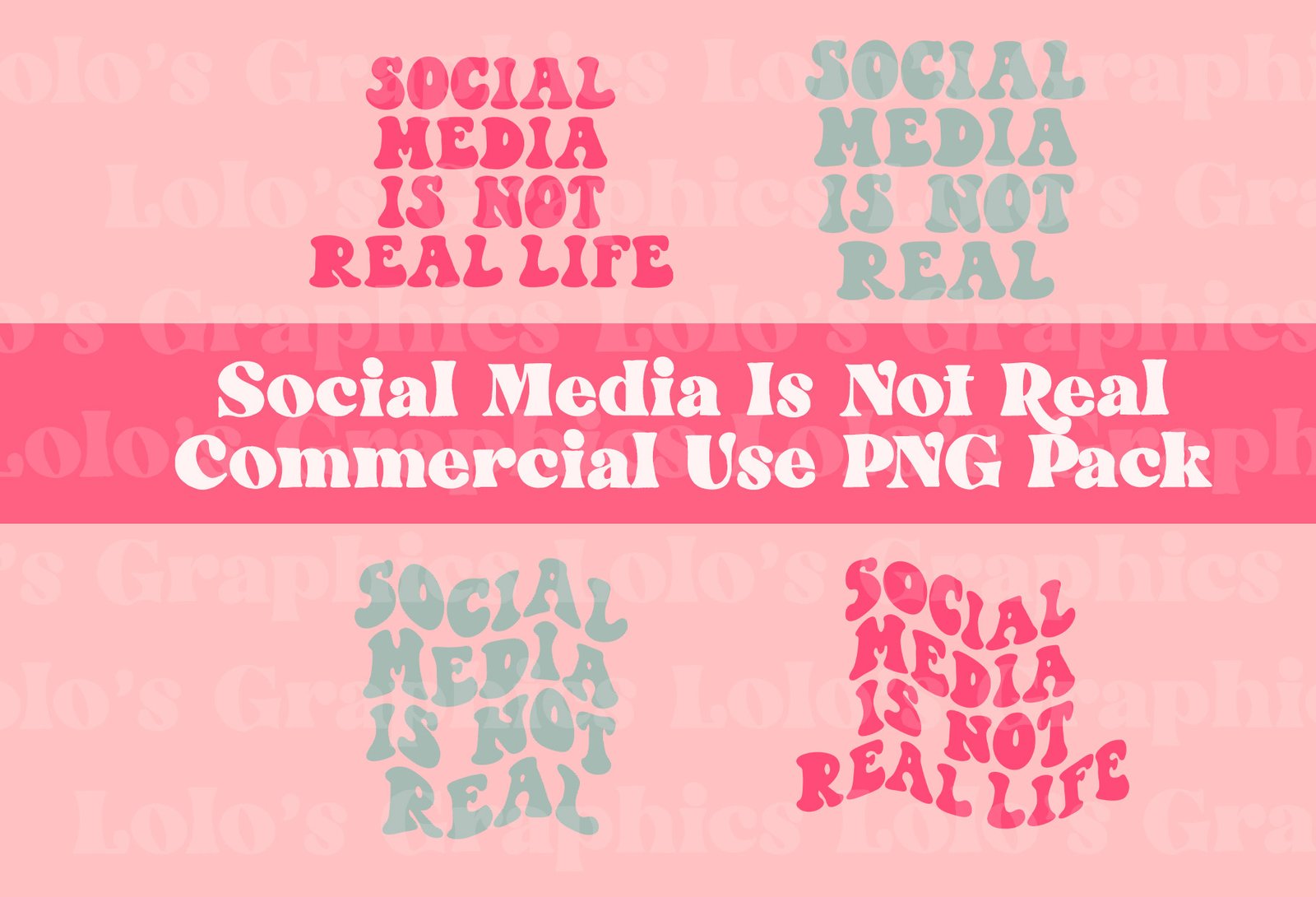
Many of the best-selling mugs are nothing more than a clever phrase in a beautiful font. Using tools like Canva or Kittl, you can experiment with font pairings. A mix of a bold sans-serif and a delicate script often creates a professional look that feels “boutique” rather than “cheap.”
Minimalist vs. Illustrative
Minimalist designs are incredibly easy to create and very popular because they fit into any kitchen aesthetic. On the other hand, if you have access to great vector art, illustrative designs can stand out in a sea of text. The key is consistency in your shop’s aesthetic. If your shop looks like a curated collection rather than a junk drawer, customers are more likely to trust your brand.
Tools to Streamline Your Workflow
To make this a sustainable side hustle vs traditional job, you need to work efficiently. You cannot spend five hours on a single mug. You need a repeatable process.
Here is a basic toolkit I recommend for beginners:
- Printify or Printful: These are your fulfillment partners. They handle the printing and shipping directly to your customer.
- Canva: The gold standard for non-designers. It’s intuitive and has massive libraries of elements.
- Etsy: The best marketplace for beginners because it already has built-in traffic. You don’t have to figure out how to drive people to a standalone website immediately.
- eRank or Marmalead: These are SEO tools. They help you find out exactly what keywords people are typing into the Etsy search bar so you can name your products accordingly.
Avoiding the “Copyright Trap”
This is the quickest way to get your shop shut down. Never, under any circumstances, use Disney characters, Marvel quotes, or even famous song lyrics. The automated systems used by platforms like Etsy are incredibly efficient at spotting trademark infringement. Stick to original jokes, generic hobby themes, and your own creative twists on common phrases.
If you are unsure, check the USPTO (United States Patent and Trademark Office) database. It’s a bit tedious, but it saves you from losing your entire business overnight.
Final Thoughts on Scaling Your Shop
Success in print on demand isn’t about one “viral” design; it’s about volume and testing. Think of every design you upload as a small experiment. Some will fail, and that’s fine. Some will sell once. But eventually, you’ll find a winner that sells every single week. Once you find a winning niche, double down on it. Create variations, different color palettes, and related phrases.
If you’re ready to start, pick one niche today, go to Canva, and create your first five designs. The hardest part is simply moving from the idea phase to the uploading phase. Get your store live and start learning from the data.
Ready to build your empire? Start researching your first micro-niche on Etsy right now and see what’s trending!
Our Top Picks
Products we recommend:
1. Mug Cake Recipes That Actually Work (eBook)
2. Did That Actually Happen?

3. Labels that Sell Goods Painting Print