You’ve probably seen the ads. Someone sitting on a beach, sipping a latte, claiming they made five figures last month just by uploading a few pictures of cats to a website. It sounds great, but if you’ve actually tried opening a Print on Demand (POD) shop, you know the reality is much more frustrating. You upload a design, wait three weeks, and… nothing. No sales, no notifications, just silence.
The truth is, you can’t just put a random clip-art flower on a white mug and expect people to reach for their credit cards. Mugs are a “commodity” product. People don’t buy them because they need a vessel for caffeine; they buy them because the design says something about their identity, their job, or their sense of humor. To make a profit, you have really need to stop designing for yourself and start designing for specific, passionate groups of people.
Finding the Sweet Spot Between Passion and Profit
The biggest mistake beginners make is choosing a niche that is too broad. If you target “dog lovers,” you are competing with millions of other sellers. You’ll get lost in the noise. Instead, you need to go deeper. Think about “Golden Retriever owners who love gardening” or “Software engineers who drink way too much espresso.”
When you narrow your focus, your marketing becomes much easier. You know exactly what language to use and what jokes will land. This specificity is what drives a high ROI on the time you spend designing. While a broad niche might have more total customers, a micro-niche has much less competition, making it much easier to rank in search results on platforms like Etsy or Amazon Merch on Demand.
Profitable Niche Categories to Explore
- Hyper-Specific Professions: Think beyond “Nurse.” Try “Night Shift ICU Nurse” or “Pediatric Dental Hygienist.” These people take immense pride in their specific roles.
- Life Milestones and Identity: New grandmothers, recent graduates, or people entering their “Era” of something (a huge trend right now).
- Pet Personalities: Focus on specific breeds or even funny behaviors, like “Anxious Greyhound Owner.”
– Relatable Hobbyist Groups: Instead of “Gardening,” try “Succulent Obsessed” or “Urban Beekeeping.”
Design Styles That Convert
You don’t need to be a master illustrator to succeed. In fact, some of the best-selling mugs use very simple typography. If you can pick a clean, readable font and pair it with a witty phrase, you’re already halfway there. However, there are a few specific aesthetics that consistently perform well in the POD space.
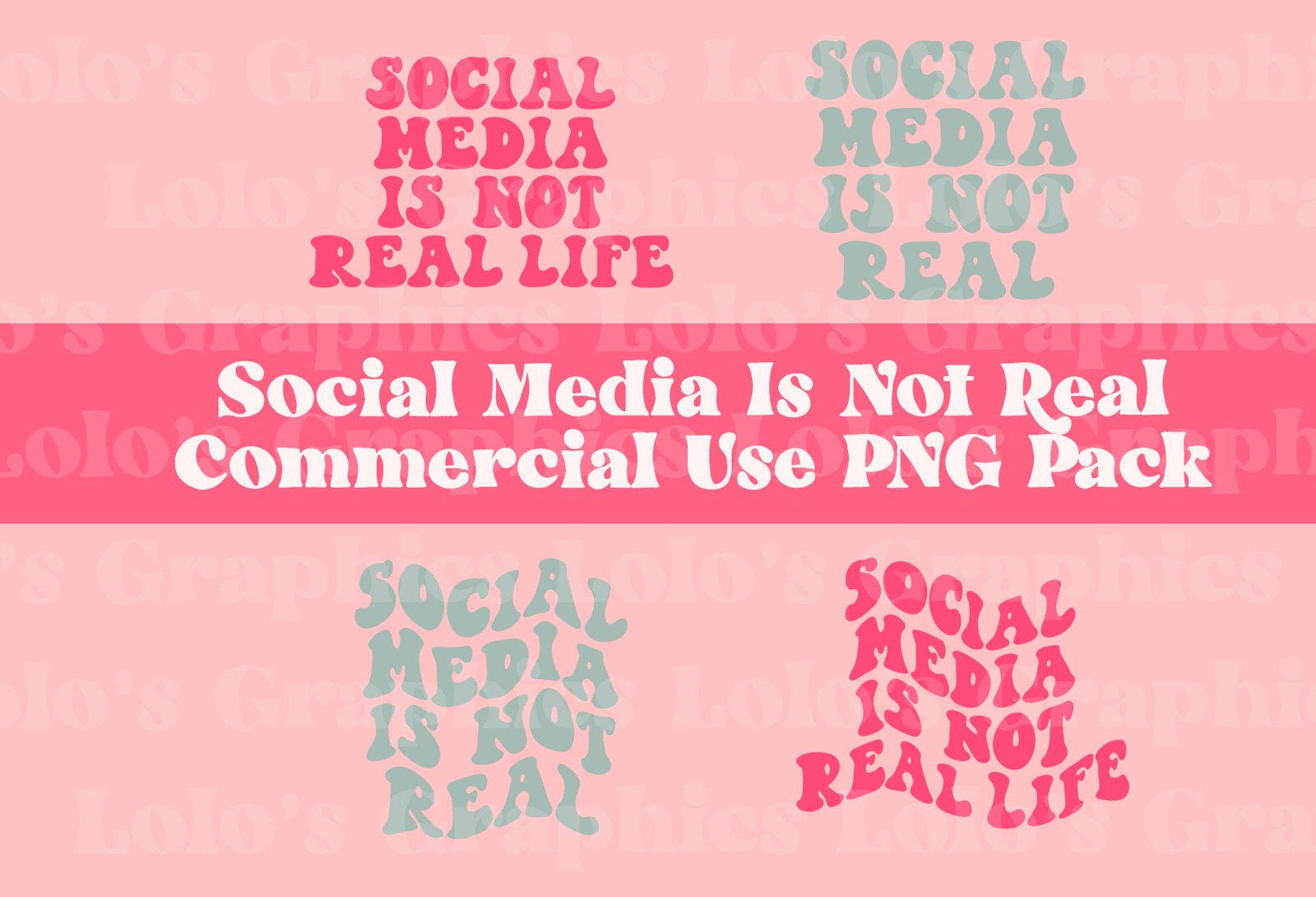
Minimalist typography is a huge winner because it looks clean and expensive. A simple, elegant serif font with a short, punchy quote works perfectly for the “aesthetic” crowd on Instagram and Pinterest. On the flip side, “Retro Groovy” designs—think 70s bubble letters and muted earth tones—are incredibly popular right now and are quite beginner friendly to create using tools like Canva or Kittl.
Three Design Approaches for Non-Artists
- The Typography-Only Approach: Focus entirely on the wit. If the joke is funny enough, the font doesn’t need to be complex. Use Canva to experiment with font pairings.
- The Retro/Vintage Vibe: Use distressed textures and warm color palettes. This style hides imperfections well and feels “trendy.”
- The Icon-Based Design: Use a single, well-placed vector icon (like a tiny coffee bean or a small paw print) paired with a short phrase. This keeps the design from looking cluttered.
- Canva: Great for quick layouts and accessing a massive library of elements.
- Kittl: Specifically built for much more advanced, professional-looking typography and vintage textures. It’s a favorite for POD creators.
- Printful or Printify: These are your fulfillment partners. They handle the printing and shipping. Printify is often preferred for mugs because of their wide range of suppliers.
- Etsy/Amazon: Your storefronts. Amazon Merch on Demand is great because they handle the traffic, but Etsy allows you to build a brand and a customer list.
The Business Reality: Costs, Time, and Earnings
Let’s talk numbers, because this is where most people get discouraged. Comparing a POD side hustle vs traditional job requires a bit of nuance. You won’t get a steady paycheck every Friday, but you also don’t have a boss or a commute.
Startup Costs: One of the best parts about this model is that the barrier to entry is incredibly low. You can start with $0 if you use free versions of design tools and organic traffic. However, if you want to do it professionally, expect to spend about $50–$100 on a subscription to a tool like Kittl or Canva Pro, and perhaps a small budget for Etsy listing fees ($0.20 per item).
Time Investment: This is not “passive” income at the start. You will spend hours researching keywords, testing designs, and uploading products. A realistic expectation is 5–10 hours a week to build a library of at least 50–100 high-quality designs before you see consistent movement.
Realistic Income: Don’t expect to quit your day job in month one. Most successful mug sellers see anywhere from $50 to $500 in monthly profit during their first year. As your catalog grows and you find “winners,” it’s common to see that scale into much higher numbers. The key is the volume of quality designs and the ability to spot trends early.
Tools of the Trade
To compete with professional sellers, you need a reliable toolkit. You don’t need Photoshop, but you do need something better than MS Paint.
How to Avoid the “Dead Design” Trap
The biggest killer of POD shops is “design fatigue”—uploading things that look like everyone else’s. To avoid this, always look at the reviews of your competitors. What are people complaining about? Are the quotes too cliché? Is the design too busy? Use those complaints to inform your next creation.
Always check for trademarks. There is nothing more heartbreaking than having a great design, seeing a sale, and then getting your entire shop shut down because you used a trademarked phrase like “Disney Mom.” Use tools like USPTO or even simple Google searches to ensure your phrases are safe to use.
If you’re ready to stop scrolling and start building, pick one niche today. Don’t try to conquer the whole world; just try to make one mug that a specific type of person would be proud to hold while they drink their morning coffee. The consistency will follow the passion.
Ready to start your design journey? Pick a niche, open a free Canva account, and try creating your first five typographic designs this weekend!
Our Top Picks
Products we recommend:
1. Did That Actually Happen?

2. Labels that Sell Goods Painting Print
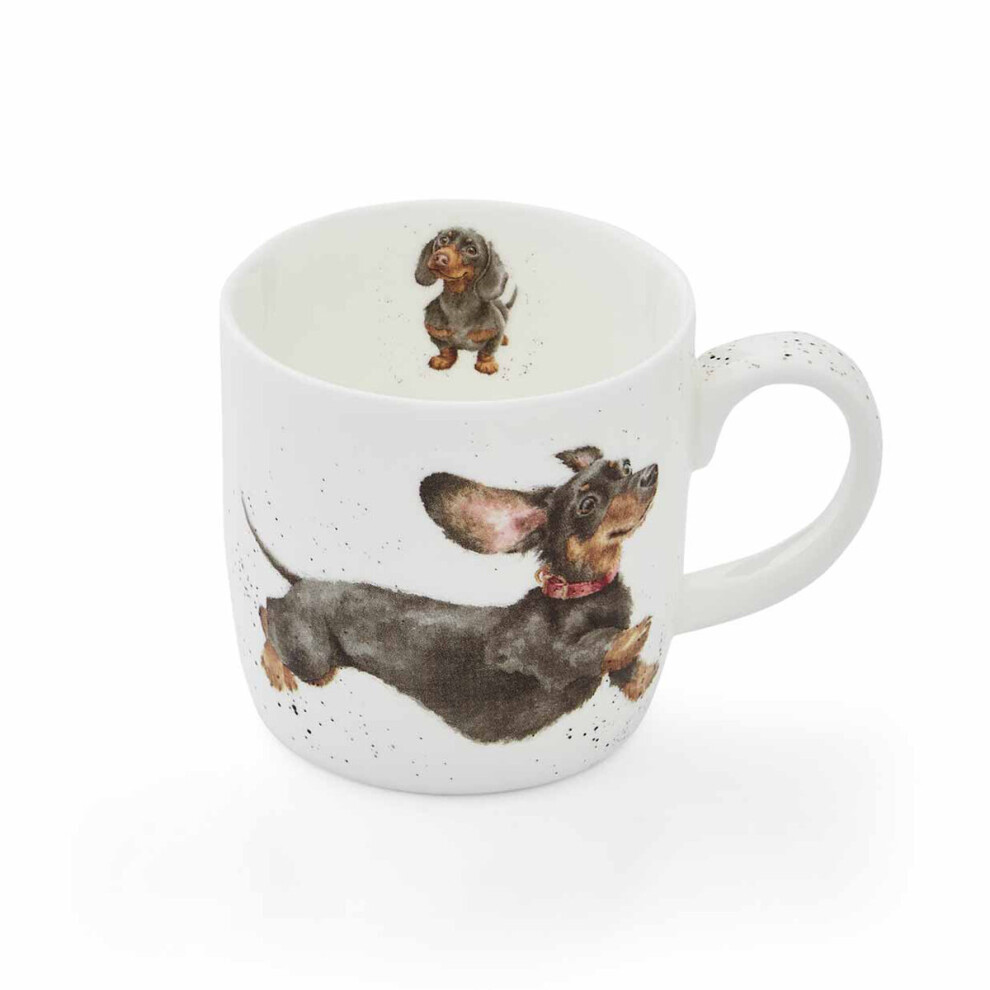
3. Wrendale Designs That Friday Feeling Mug