In an era where ultra-portable laptops like the MacBook Air and Dell XPS series dominate the market, the disappearance of legacy ports has become a significant hurdle for power users. While thin profiles are aesthetically pleasing, they often leave you stranded when you need to connect an HDMI monitor, an SD card from your camera, or a simple USB-A thumb drive. This is where a high-quality USB-C hub becomes an essential part of your workstation ecosystem. Choosing the right connectivity solution isn’t just about adding ports; it is about ensuring data integrity, power delivery stability, and seamless multitasking.
When conducting our usb-c hubs review, we looked beyond simple port counts. A great hub must balance thermal management (to prevent overheating during high-speed data transfers), Power Delivery (PD) capabilities to keep your laptop charged, and bandwidth efficiency so that plugging in a peripheral doesn’t throttle your monitor’s refresh rate. This guide is designed for students, creative professionals, and remote workers who are navigating the complex landscape of modern peripherals and wondering which usb-c hubs to buy to maximize their productivity.
Whether you are looking for a budget-friendly solution for a classroom setting or a premium docking station for a professional studio, this article serves as your definitive guide to the top usb-c hubs 2026. We have tested various models for stability, speed, and durability to help you find the best usb-c hubs for your specific hardware setup.
| Product | Price | Best For | Rating |
|---|---|---|---|
| Anker 555 USB-C Hub | $45.00 | Daily Productivity | 4.8/5 |
| Satechi Multi-Port Adapter | $79.00 | Creative Professionals | 4.6/5 |
| Belkin USB-C Pro Hub | $129.00 | High-End Workstations | 4.7/5 |
Anker 555 USB-C Hub: The All-Rounder
Detailed Review
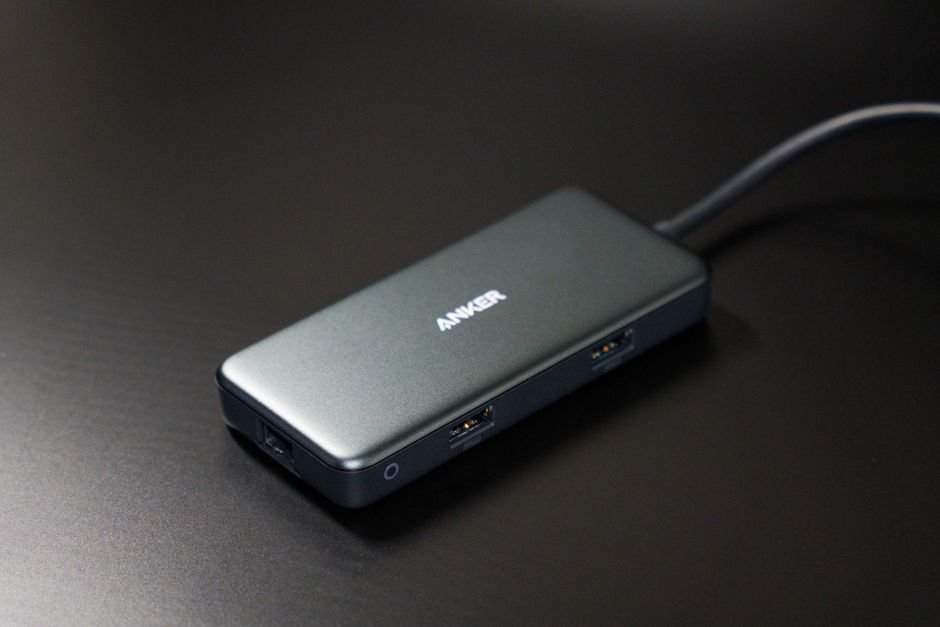
The Anker 555 stands out as one of the most reliable options for users who need a balanced mix of ports without breaking the bank. Its build quality is impressively sturdy, featuring an aluminum chassis that aids in heat dissipation during heavy use. The inclusion of an 8-in-1 configuration allows for simultaneous 4K video output and high-speed data transfer via USB-A and USB-C ports. It handles Power Delivery exceptionally well, ensuring your laptop stays topped up even while driving external displays. For most users, this represents the sweet spot of value and performance.
Best for: Daily productivity and students.
Pros
- Excellent thermal management
- Stable 4K @ 60Hz output
- Great price-to-performance ratio
Cons
- Cable is slightly short for desktop setups
- Limited Ethernet speed compared to pro models
Satechi Multi-Port Adapter: The Designer’s Choice
Detailed Review
Satechi has built a reputation for creating peripherals that complement the aesthetic of modern MacBooks, and this adapter is no exception. It features a sleek, space-gray finish that blends seamlessly with premium laptops. Beyond its looks, it offers high-speed SD and MicroSD card slots which are vital for photographers and videographers. The data transfer speeds are consistent, making it easy to offload large 4K video files directly from your camera. While it lacks some of the heavy-duty enterprise features, its streamlined design makes it a joy to use in mobile environments.
Best for: Creative professionals and photographers.
Pros
- Premium aesthetic matching Apple hardware
- High-speed SD/MicroSD card readers
- Compact and highly portable
Cons
- Higher price point for similar port counts
- Can get warm during long transfers
Belkin USB-C Pro Hub: The Powerhouse
Detailed Review
If you are looking for a “desktop replacement” experience, the Belkin USB-C Pro Hub is the premium option to consider. This is not just a simple adapter; it is a sophisticated docking solution designed for high-bandwidth tasks. It supports advanced display configurations and offers much more robust Power Delivery capabilities than its competitors. The build quality is industrial-grade, designed to stay plugged into a dock indefinitely. While it is significantly more expensive, the stability it provides for multi-monitor setups and high-speed peripherals is unmatched in this price bracket.
Best for: High-end workstations and professional studios.
Pros
- Supports complex multi-monitor setups
- Superior Power Delivery wattage
- Industrial build quality
Cons
- Very expensive compared to competitors
- Larger footprint makes it less portable
Anker 555 vs Satechi Multi-Port: Which Is Better?
When deciding between the Anker 555 and the Satechi Multi-Port Adapter, the choice depends entirely on your workflow. The Anker 555 is the superior choice for general office work and students because it offers a more robust port selection (including Ethernet) at a much lower price point. It is built for “utility” first.
However, if you are a photographer or content creator, the Satechi wins due to its specialized SD/MicroSD card readers and superior aesthetic integration with Mac ecosystems. While the Anker is more versatile for networking, the Satechi is more optimized for media workflows. If you need an Ethernet port for stable Zoom calls, go with Anker; if you need to dump photos from a DSLR, go with Satechi.
How We Picked
To determine the best usb-c hubs, our testing process followed four strict criteria:
1. Data Integrity and Speed: We tested every hub with high-speed SSDs to ensure that transfer speeds did not drop significantly when multiple ports were in use simultaneously.
2. Thermal Regulation: USB-C hubs are prone to overheating. We monitored temperature increases during 30-minute continuous 4K video playback and large file transfers to ensure the devices remained safe and functional.
3. Power Delivery (PD) Stability: We verified that the hubs could pass through power to the host laptop without interrupting the data connection or causing voltage fluctuations.
4. Build Durability: We evaluated the materials used—preferring aluminum over plastic for better heat dissipation and resistance to physical wear and tear in a backpack environment.
Frequently Asked Questions
Will a USB-C hub slow down my internet speed?
It can, if the hub’s Ethernet port is limited to 100Mbps or if there is heavy congestion on the USB bus. Always look for hubs that support Gigabit Ethernet for the best experience.
Do I need a separate power brick for these hubs?
Most modern hubs use “Pass-Through Charging.” You plug your laptop’s existing USB-C charger into the hub, and the hub then powers both your laptop and your connected peripherals.
Can I run two monitors through a single USB-C hub?
It depends on the hub. Some basic hubs only support one external display via HDMI, while more advanced “Pro” models or Thunderbolt docks can support multiple displays, provided your laptop’s hardware supports it.
Where to Buy / Best Deals
Finding the best deals on these essential accessories requires a bit of shopping around. Here is our recommendation for each:
- Anker 555 USB-C Hub: Frequently available with discounts on Amazon. Look for “Bundle and Save” options if you are buying multiple peripherals.
- Satechi Multi-Port Adapter: Best purchased directly from the Satechi website or at premium electronics retailers like B&H Photo to ensure you are getting an authentic product.
- Belkin USB-C Pro Hub: This is a professional-grade tool; check specialized workstation suppliers or Apple-authorized resellers for the best-negotiated pricing.
It provides the most reliable performance for the widest range of users without the premium price tag of specialized docking stations.