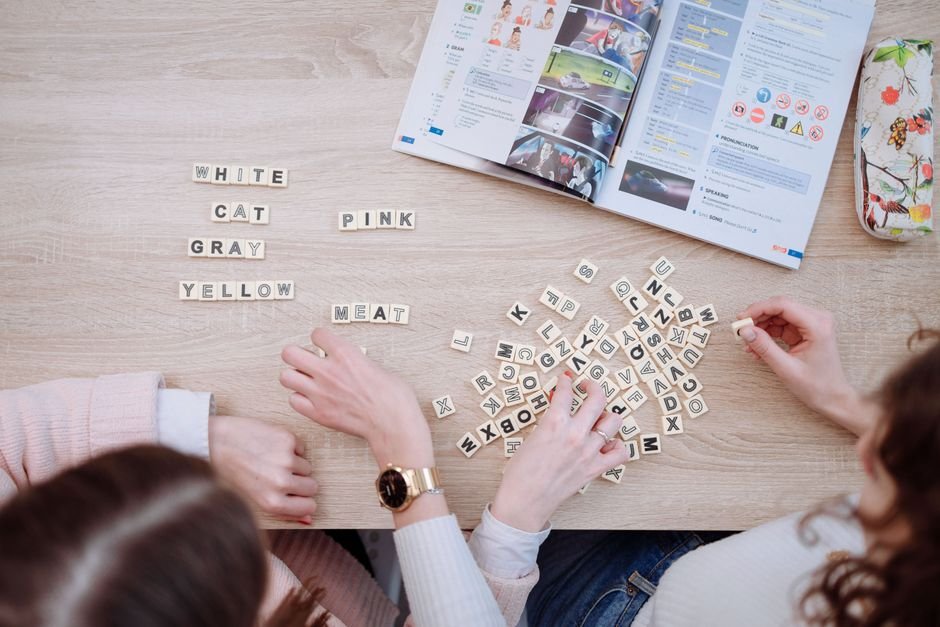
If you have spent any time lurking in KDP (Kindle Direct Publishing) forums, you know that the “low-content gold rush” era is long gone. You can’t just throw a generic word search book onto Amazon and expect to see royalties hitting your bank account by next Tuesday. The competition is too high for that. However, as we look toward 2026, there is still massive potential if you stop thinking like a printer and start thinking like a niche researcher.
The secret isn’t finding a brand-new hobby; it is about finding specific, underserved sub-niches where people are actively searching for a way to unplug. People are increasingly desperate to escape screen fatigue, and puzzle books provide the perfect analog solution. If you can find a small pocket of enthusiasts—say, lovers of 1970s retro aesthetics or fans of specific indoor gardening trends—you can build a sustainable side income.
Why 2026 is different for puzzle creators
The landscape of Amazon KDP is shifting toward high-quality, interior-focused content. Generic interiors are being buried by Amazon’s search algorithm in favor of books that offer actual value. This means your success depends on how well you can tailor a specific puzzle type to a very specific person. Instead of making “Sudoku for Adults,” you might make “Sudoku for Neurodivergent Minds” or “Extreme Sudoku for Seniors with Large Print.”
<
- Low barrier to entry: You don’t need to be a graphic designer to start.
- No inventory risk: Amazon handles all the printing and shipping.
- Scalability: Once you have a winning template, you can replicate it across different themes.
Top profitable niches to watch
Predicting trends is part science and part observation. Based on current consumer behavior shifts toward mindfulness and hyper-specific hobbies, here are the areas I believe will dominate the KDP marketplace in 2026.
Hyper-Niche Hobbyist Activity Books
Generic hobby books are dead. To win, you need to go three layers deep. Don’t just target “Gardening.” Target “Urban Apartment Balcony Gardening” or “Succulent Care Logs and Puzzles.” These readers have a high intent to buy because the book speaks directly to their specific lifestyle. You can combine word searches with coloring elements or themed logic puzzles to increase the perceived value.
The Neurodiversity Movement
There is a massive, underserved market for puzzle books designed specifically for ADHD, Autism, or Dyslexia. These aren’t just about difficulty levels; they are about accessibility. This includes using specific fonts that are easier to read, providing more white space to prevent overwhelm, and creating “dopamine-friendly” rewards within the book structure. This is a beginner friendly way to enter the market because you are solving a real problem for a real community.
Retro & Nostalgia-Driven Brain Games
Nostalgia is a powerful buying trigger. Creating word searches or crosswords centered around specific decades—like “The 80s Arcade Era” or “90s Sitcom Trivia”—allows you to tap into the emotional connection older Gen Z and Millennials have with their childhoods. These books make excellent gifts, which is a huge driver for KDP sales during Q4.
The reality of the business model
I want to be completely transparent with you because I don’t want you to quit after your first month. This is not “get rich quick” money. It is a volume and consistency game. You need to understand what you are putting into this to see a return.
The financial breakdown
When people ask how much can you earn, the answer is highly variable. A single successful niche book might bring in $50 to $200 per month. However, a library of 50 well-researched books can create a steady stream of $1,000 to $3,000+ monthly.
Regarding the startup cost, you can actually start with almost nothing if you are resourceful. If you use free tools like Canva for covers and basic puzzle generators, your cost is essentially $0. However, if you want to compete at a high level, you should budget for professional tools.
Estimated Budget Tiers:
- The Bootstrapper ($0 – $20/month): Using free versions of Canva and basic online puzzle generators.
- The Pro Creator ($50 – $150/month): Subscriptions to Canva Pro, specialized puzzle software like Puzzle Wiz or Book Bolt, and perhaps a small budget for keyword research tools.
Time investment requirements
Creating one high-quality book—from niche research and keyword hunting to interior design and uploading—can take anywhere from 5 to 15 hours depending on your experience. You shouldn’t be looking at this as a one-off task, but rather as building an asset library over several months.
Essential tools for your toolkit
To avoid burnout, you need to automate the boring parts. Don’t try to manually draw every word search grid. Use software that does the heavy lifting so you can focus on the creative “niche” aspect.
- Research: Helium 10 or Publisher Rocket are the gold standards for finding out what people are actually typing into the Amazon search bar.
- Design: Canva is your best friend for covers and simple layouts.
- Generation: Book Bolt or specialized Python scripts can generate massive amounts of puzzle data quickly.
- Organization: A simple Trello board to track your book progress from “Idea” to “Live on Amazon.”
How to avoid the common pitfalls
The biggest mistake new creators make is “keyword stuffing” their titles. If your title looks like a string of random words, customers won’t trust you, and Amazon might even flag your account. Focus on a human-readable title and use your 7 backend keywords for the technical SEO stuff.
Another trap is ignoring the “Look Inside” feature. Most buyers will click that button to see if the interior is high quality. If your puzzles are messy, poorly aligned, or have typos, you will lose the sale instantly. Always proofread your interiors as if you were the customer paying for them.
If you are ready to stop scrolling and start building, pick one tiny niche today. Don’t try to conquer all of Amazon at once. Just find one small group of people with a specific interest and create something they will love to solve.