Tag: ecommerce tools

  • How To Automate Your Etsy Shop With Ai Tools

    How To Automate Your Etsy Shop With Ai Tools

    If you have ever spent four hours straight trying to write product descriptions only to end up staring blankly at a blinking cursor, you are not alone. Running an Etsy shop can feel like a second full-time job, and honestly, it often feels like much more because you are the designer, the marketer, the customer service rep, and the shipping clerk all at once. The dream of an Etsy side hustle is usually passive income, but the reality is often a mountain of repetitive tasks that eat up your weekends.
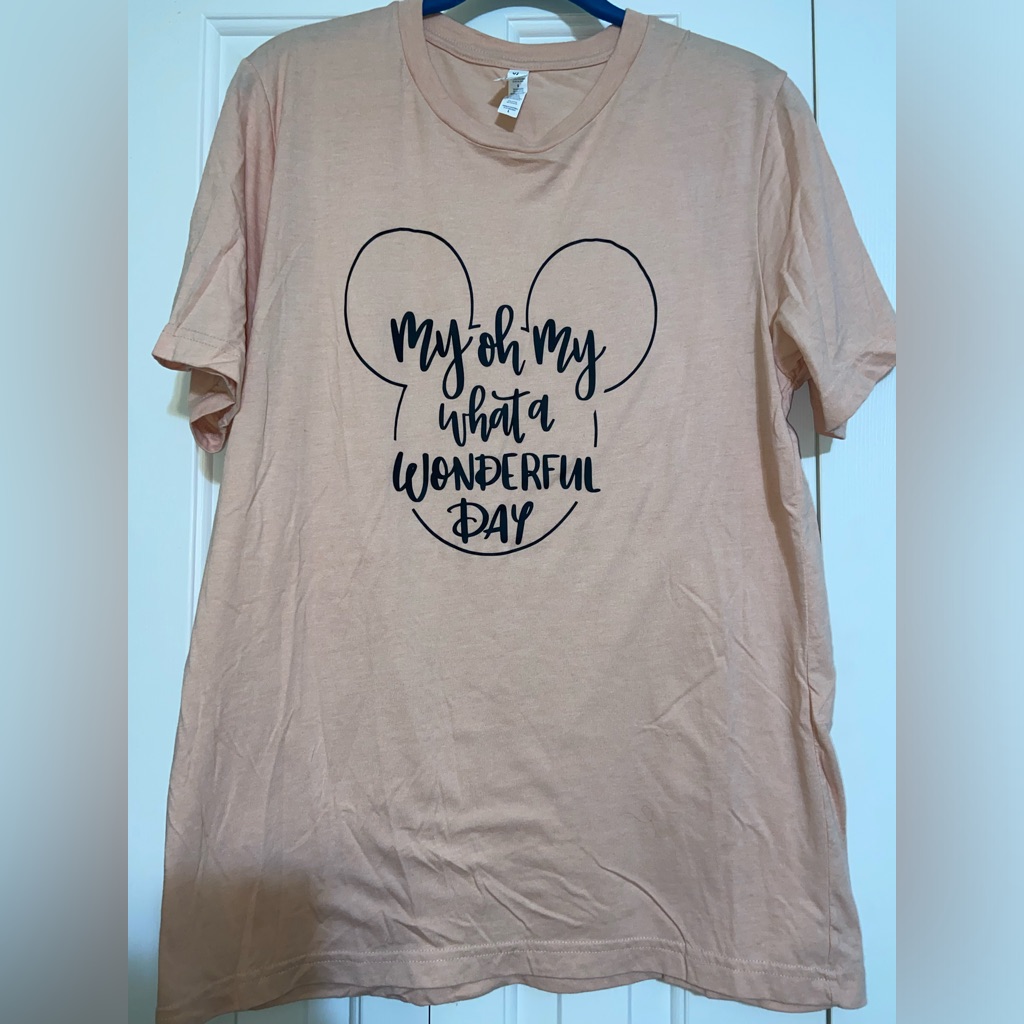
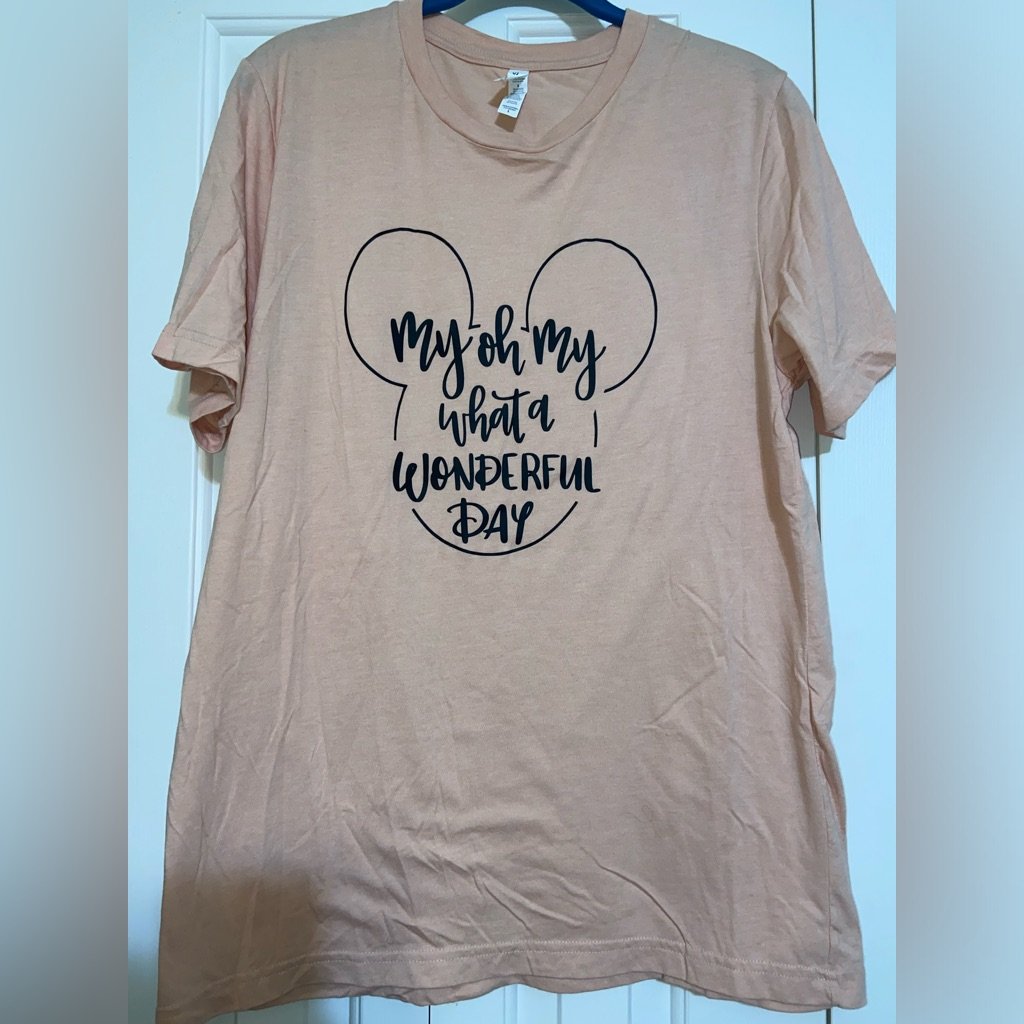
    Disney Etsy Shop Shirt

    The good news is that you don’t need to hire a virtual assistant or a massive team to get your time back. We are living in a period where small-scale creators can use AI to handle the heavy lifting. By automating the boring parts of your shop, you can focus on the actual creation part—the part that actually makes you money. Let’s look at how you can actually put these tools to work without breaking your budget.

    Where AI fits into your workflow

    Automation isn’t about letting a robot run your entire business while you sleep; it is about removing the friction from your daily routine. When people compare an Etsy shop vs traditional job, they often forget that a shop requires constant manual updates to stay visible in search results. AI can help you manage three main pillars: product creation, shop management, and marketing.

    Think about the time you spend researching keywords, drafting emails, or editing photos. If you can shave thirty minutes off each of those tasks every day, that adds up to hours of freedom every week. Here is a breakdown of the specific areas where you can start automating right now.

    Content generation and copywriting

    Writing SEO-friendly titles and descriptions is perhaps the most exhausting part of Etsy management. You have to balance being descriptive for humans while hitting all the right keywords for the Etsy algorithm. Tools like ChatGPT or Claude are incredible for this. Instead of writing from scratch, you can feed these tools a list of your product’s features and ask them to generate five different title variations and a long-form description.

    If you want to be even more efficient, try using Jasper. It has specific templates designed for e-commerce that follow high-converting copywriting frameworks. This ensures your descriptions don’t just list facts but actually encourage a purchase, which is vital for your ROI.

    Visuals and product photography

    High-quality photos are non-negotiable on Etsy, but setting up a professional studio is expensive. If you sell digital products, tools like Midjourney or DALL-E 3 can help you create stunning mockups or base designs. If you sell physical goods, you can use AI-powered photo editors like Canva’s Magic Studio or Photoroom. These tools can automatically remove messy backgrounds and replace them with clean, professional lifestyle settings.

    This saves you the cost of hiring a photographer. You can take a photo on your phone in natural light, use an AI tool to clean it up, and suddenly your listing looks like it belongs in a high-end boutique. The startup cost here is minimal, often just the price of a monthly subscription which ranges from $10 to $30.

    The logistics of automation: Managing your shop

    Beyond the creative side, there is the “admin” side. This includes responding to customer inquiries, managing inventory, and tracking trends. While AI cannot yet physically pack your orders, it can certainly help you stay ahead of the curve.

    • Customer Service: Use AI to draft templates for common questions. When a customer asks about shipping times or custom orders, you can use a tool like TextExpander or even a custom GPT to generate a polite, personalized response in seconds.
    • Trend Research: Tools like Alura or Everbee use data-driven insights to tell you exactly what people are searching for on Etsy. This removes the guesswork. Instead of hoping a product sells, you are using data to decide what to make next.
    • Social Media Scheduling: Use Buffer or Later to schedule your Pinterest and Instagram posts weeks in advance. You can use AI to write the captions and even suggest the best hashtags based on current trends.

    Budgeting for your automation toolkit

    One common fear is that these tools will eat up all your profits. However, if you view these as business expenses rather than hobbies, the math changes. Most of these tools follow a “freemium” model, meaning you can start for $0 and only upgrade as your shop grows.

    A realistic starter budget for an automated workflow might look like this:

    1. ChatGPT Plus (for advanced writing and data analysis): $20/month
    2. Canva Pro (for design and background removal): $12/month
    3. Everbee or Alura (for Etsy market research): $20-$40/month
    4. Total Monthly Investment: Approximately $52 – $72

    When you consider that this investment can save you 10-15 hours of manual work per month, the cost becomes negligible. The real question is how much can you earn if you use that saved time to launch two new product lines instead of struggling with old descriptions.

    Managing expectations and human touch

    It is tempting to try and automate everything, but there is a massive trap here. If your shop starts to feel robotic, customers will notice. Etsy is a marketplace built on the idea of handmade, unique, and personal connection. If your “About Me” section sounds like it was written by a corporate bot, you will lose the very thing that makes Etsy special.

    Always review and edit what the AI produces. Use it to create the foundation, but add your own voice, your own brand personality, and your own unique stories. The goal is to use AI to handle the structure so you can focus on the soul of your business.

    Running an Etsy shop can be incredibly lucrative, with some sellers reaching five or six figures in annual revenue. However, the difference between a hobbyist and a professional is often how they manage their time. If you can master these tools, you aren’t just running a shop; you are building a scalable brand.

    Ready to reclaim your time? Pick one task this week—maybe it’s writing your next five product descriptions—and try using an AI tool to do it. See how much time you save, and then use that extra time to create something amazing.

    Our Top Picks

    Products we recommend:

    1. How to Automate Your Life with Google Gemini – Audiobook, by Julian Brantor

    How to Automate Your Life with Google Gemini - Audiobook, by Julian Brantor

    How to Automate Your Life with Google Gemini – Audiobook, by Julian Brantor

    by Chirp Books

    $8.99

    Check Price →

    2. AI and Innovation How to Transform Your Business and Outpace the Competition with Generative AI
    AI and Innovation How to Transform Your Business and Outpace the Competition with Generative AI

    AI and Innovation How to Transform Your Business and Outpace the Competition with Generative AI

    by Knetbooks.com

    $22.52

    Check Price →

    3. How to Start a Home-based Etsy Business

    How to Start a Home-based Etsy Business
    How to Start a Home-based Etsy Business
    by Christianbook.com

    $18.24

    Check Price →

  • How To Automate Your Etsy Shop With Ai Tools

    How To Automate Your Etsy Shop With Ai Tools

    Running an Etsy shop often feels like a second full-time job. Between crafting products, managing inventory, responding to customer messages, and trying to figure out SEO, there aren’t many hours left in the day for actual creativity. If you find yourself staring at a mountain of unoptimized listings at 2 AM, you aren’t alone. The good news is that you don’t need to hire a massive team to scale your business. Instead, you can use a few smart AI tools to handle the repetitive grunt work, giving you back your weekends.

    Etsy Shop Tshirt

    Automating your workflow isn’t about removing the human touch that makes Etsy special. It is about removing the friction that prevents you from growing. By delegating data-heavy tasks to software, you can focus on designing better products and building a brand. Let’s look at how you can realistically implement this without breaking your budget.

    Where AI fits into your Etsy workflow

    Before we jump into specific tools, it is helpful to identify which parts of your shop are actually worth automating. Not every task needs a robot. You shouldn’t automate your unique product design, but you definitely should automate your keyword research and product descriptions.

    Think of automation in three main buckets:

    • Content Creation: Writing titles, tags, and descriptions that help people find you.
    • Visual Assets: Enhancing photos, removing backgrounds, or creating mockups.
    • Customer Management: Handling basic inquiries and managing order updates.

    If you are wondering how much can you earn by automating, the answer depends on your scale. A shop owner using automation might manage 500 listings with the same effort it takes a traditional seller to manage 50. This efficiency directly impacts your ROI because you are reducing the “cost” of your time.

    Streamlining your SEO and listings

    SEO is the heartbeat of Etsy. If your titles and tags aren’t hitting the right search terms, your shop stays invisible. This is the easiest area to start automating because it is purely data-driven.

    Using ChatGPT for descriptive writing

    ChatGPT (or Claude) can act as your personal copywriter. Instead of staring at a blank screen, you can feed the AI a list of your product features and ask it to write an Etsy-friendly description. To get the best results, don’t just ask for “a description.” Tell it to “write an Etsy product description using a friendly tone, including a list of materials, and incorporating keywords like ‘handmade gift’ and ‘boho decor’.”

    Automating keyword research with eRank or Marmalead

    While not “pure” AI in the way a chatbot is, tools like eRank and Marmalead use complex algorithms to analyze search trends. They can tell you exactly which tags are trending and which are too competitive. Automating your research process with these tools prevents you from wasting time on keywords that no one is actually typing into the search bar.

    Enhancing product visuals without a studio

    High-quality photography is non-negotiable on Etsy, but setting up a professional studio is expensive. This is where AI-driven image tools can significantly lower your startup cost.

    Tools like Photoroom or Canva’s Magic Edit allow you to take a simple photo of your product on a kitchen table and transform it into a professional lifestyle shot. You can remove messy backgrounds and replace them with clean, aesthetic textures that match your brand. This allows you to achieve a high-end look for a fraction of the cost of a professional photographer.

    If you sell digital products like printables or clip art, you can use Midjourney to generate unique elements or backgrounds. However, be careful here—always ensure you have the rights to use the generated images commercially and that they don’t look “too robotic” for your specific niche.

    Managing the boring stuff: Customer service and operations

    As your order volume grows, so does the number of “Where is my package?” messages. Handling these manually can eat up hours of your week.

    While Etsy doesn’t allow fully autonomous bots to talk to customers (which is actually a good thing for maintaining trust), you can use AI to draft responses. You can create a library of “Smart Replies” in tools like TextExpander or use AI to summarize long customer inquiries so you can respond faster.

    For inventory and logistics, tools like Printful or Printify (if you are doing Print-on-Demand) automate the entire fulfillment process. When a customer buys a shirt, the order is automatically sent to the printer, printed, and shipped without you ever touching a piece of packaging tape. This is the ultimate form of automation for scaling a shop quickly.

    The reality check: Costs and time investments

    Automation isn’t free, but it is an investment in your growth. Here is a breakdown of what you can expect to spend and how much time you might save.

    Estimated Monthly Costs:

    • Basic Automation (ChatGPT + Canva + eRank): $30 – $50 per month.
    • Advanced Automation (Midjourney + Photoroom + Print-on-Demand): $70 – $120 per month.

    Time Investment:

    Initially, you will spend about 5-10 hours setting up your workflows and learning the tools. However, once the systems are in place, you can expect to reduce your daily administrative tasks by at least 50%. This reclaimed time can be reinvested into product development, which is what actually drives revenue.

    When calculating your ROI, don’t just look at the monthly subscription fees. Look at the value of the hours you’ve recovered. If your time is worth $30 an hour, and automation saves you 20 hours a month, the tools have already paid for themselves several times over.

    Final thoughts on scaling your shop

    Don’t try to automate everything overnight. Start with one area—perhaps your product descriptions—and master it before moving on to image generation or fulfillment automation. The goal is to build a system that supports your creativity rather than replacing it.

    If you are ready to take your Etsy business to the next level, pick one tool mentioned above and try integrating it into your next listing. You might be surprised at how much lighter your workload feels.

    Our Top Picks

    Products we recommend:

    1. How to Etsy: Your Step by Step Guide to Etsy

    How to Etsy: Your Step by Step Guide to Etsy

    How to Etsy: Your Step by Step Guide to Etsy

    by Audiobooks.com

    $19.99

    Check Price →

    2. How to Automate Your Life with Google Gemini – Audiobook, by Julian Brantor

    How to Automate Your Life with Google Gemini - Audiobook, by Julian Brantor

    How to Automate Your Life with Google Gemini – Audiobook, by Julian Brantor

    by Chirp Books

    $8.99

    Check Price →

    3. AI and Innovation How to Transform Your Business and Outpace the Competition with Generative AI

    AI and Innovation How to Transform Your Business and Outpace the Competition with Generative AI

    AI and Innovation How to Transform Your Business and Outpace the Competition with Generative AI

    by Knetbooks.com

    $28.96

    Check Price →

  • How To Automate Your Etsy Shop With Ai Tools

    How To Automate Your Etsy Shop With Ai Tools

    Running an Etsy shop often feels like you’re wearing fifteen different hats at once. One minute you are a designer, the next you are a customer service rep, a shipping clerk, and a full-time SEO specialist. If you find yourself staring at a mountain of unwritten product descriptions at 2 AM, you aren’t alone. The good news is that you don’t need to hire a massive team to scale your business. You can use artificial intelligence to handle the repetitive, soul-crasting tasks, leaving you more time to actually create.

    Etsy Shop Tshirt

    Many people look at Etsy as a way to escape the 9-to-5 grind, often comparing the flexibility of an e-commerce side hustle vs traditional job structures. While the freedom is great, the workload can quickly become unmanageable without some help. By integrating a few smart tools, you can transform your shop from a time-consuming hobby into a streamlined business.

    Where to Start with AI Automation

    Before you go downloading every new app you see on TikTok, it helps to identify where your biggest bottlenecks are. Automation isn’t about letting a robot run your entire life; it is about delegating the boring stuff. Most Etsy sellers struggle with three main areas: copywriting, image editing, and market research.

    The startup cost for an automated workflow is surprisingly low. You don’t need a thousand-dollar budget. Most of the tools mentioned below have free tiers or monthly subscriptions ranging from $10 to $30. If you are just starting out, you can likely automate 60% of your workflow for less than the cost of a few cups of coffee per month.

    Streamlining Your Product Listings

    Writing SEO-friendly titles and descriptions is arguably the most tedious part of Etsy management. You need to include specific keywords to rank in search, but you also want to sound human and inviting. This is where Large Language Models (LLMs) shine.

    Writing Descriptions with ChatGPT or Claude

    Instead of staring at a blank screen, use ChatGPT or Claude to generate your initial drafts. A beginner friendly way to do this is to feed the AI a list of your product’s features—like material, size, and color—and ask it to write a descriptive, SEO-optimized product description. You can even tell it to adopt a specific brand voice, such as “whimsical and cozy” or “minimalist and professional.”

    Optimizing Tags and Titles with Erank or Marmalead

    While these aren’t “AI” in the sense of chatting with a bot, they use complex algorithms to analyze Etsy search data. They help you identify which long-tail keywords are actually being searched for by real customers. Using these tools alongside an AI writer ensures that your descriptions aren’t just pretty, but actually searchable.

    • ChatGPT: Great for creative writing and bulk description generation.
    • Erank: Essential for keyword research and tracking competitor performance.
    • Claude: Excellent for a more natural, less “robotic” writing tone.

    Visual Content Automation

    Your photos are the first thing a customer sees. If your photos look amateur, your sales will reflect that. High-quality product photography used to require expensive lighting setups and hours of post-production, but AI has changed the math.

    Using AI for Background Removal and Enhancement

    Tools like Photoroom or Canva’s Magic Studio allow you to take a simple photo taken on your phone and instantly remove a messy kitchen background. You can replace it with a clean, aesthetic studio setting. This saves hours of manual editing and makes your shop look much more professional.

    Generating Mockups with Midjourney or Kittl

    If you sell digital downloads, print-on-demand (POD) items, or clip art, you don’t always need to photograph physical items. You can use Midjourney to create incredibly realistic lifestyle scenes. For example, if you sell digital posters, you can generate an image of a modern living room with a blank frame on the wall, then overlay your art using a tool like Kittl. This significantly reduces your time investment per new product launch.

    Automating Customer Service and Operations

    As your order volume grows, so do the questions. “When will this ship?” or “Can I get this in blue?” These repetitive queries can eat up your entire afternoon. While you should always provide a human touch for complex issues, you can automate the basics.

    Setting Up Smart Saved Replies

    Etsy allows you to create “Snippets.” While not fully autonomous, you can use AI to draft a library of perfect, polite responses to common questions. Copy these into your Etsy settings so you can reply to customers in two clicks rather than typing the same sentence fifty times a week.

    Managing Order Data with Zapier

    If you want to get advanced, Zapier can connect your Etsy shop to other apps. For instance, you can set up a “Zap” that automatically adds every new order’s information to a Google Sheet. This allows you to track your monthly revenue and inventory levels without manual data entry. It’s a bit more technical to set up, but once it’s running, you won’t have to touch it again.

    Realistic Expectations: Costs and Earnings

    It is easy to get caught up in the idea of “passive income,” but let’s keep it real. Even with AI, you are still managing a business. Here is a breakdown of what you might expect when implementing these tools.

    Metric Estimate
    Monthly Software Cost $30 – $100
    Weekly Time Investment 5 – 10 hours (once automated)
    Potential Monthly Income $100 (side hobby) to $5,000+ (established shop)

    The income range is massive because it depends entirely on your niche and your ability to drive traffic. However, the goal of automation is to ensure that as your income moves from $100 to $5,000, your workload doesn’t move from 5 hours to 50 hours.

    Final Thoughts on Scaling Your Shop

    Automation is a tool, not a replacement for your creativity. The best Etsy shops are those that combine human artistry with efficient systems. Use AI to handle the data, the keywords, and the background removal, but keep your unique brand voice and your eye for design at the center of everything you do.

    If you are feeling overwhelmed, pick just one area—like product descriptions—and try implementing one tool this week. Small, incremental changes are much more sustainable than trying to overhaul your entire business overnight.

    Ready to take your Etsy shop to the next level? Start by auditing your weekly tasks and identifying the one task you hate doing most. That is your first candidate for automation!

    Our Top Picks

    Products we recommend:

    1. How to Etsy: Your Step by Step Guide to Etsy

    How to Etsy: Your Step by Step Guide to Etsy

    How to Etsy: Your Step by Step Guide to Etsy

    by Audiobooks.com

    $19.99

    Check Price →

    2. The Ultimate Guide To Selling On Etsy: How To Turn Your Etsy Shop Side Hustle Into A Business

    The Ultimate Guide To Selling On Etsy: How To Turn Your Etsy Shop Side Hustle Into A Business

    The Ultimate Guide To Selling On Etsy: How To Turn Your Etsy Shop Side Hustle Into A Business

    by Indigo Books & Music

    $18.50

    Check Price →

    3. How to Automate Your Life with Google Gemini – Audiobook, by Julian Brantor

    How to Automate Your Life with Google Gemini - Audiobook, by Julian Brantor

    How to Automate Your Life with Google Gemini – Audiobook, by Julian Brantor

    by Chirp Books

    $8.99

    Check Price →